

Discontinued Sacks
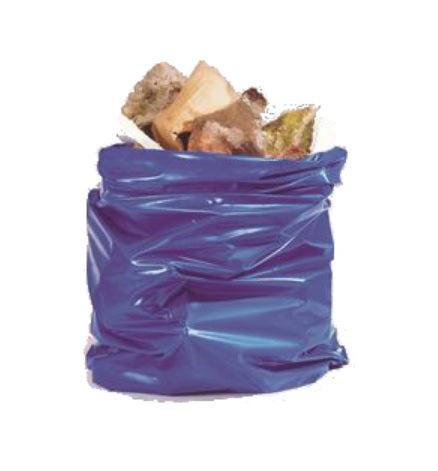
18x29x39 Medium Blue Refuse Sacks (100% Recycled) — Product Overview
These medium blue refuse sacks are designed for everyday waste collection where a strong, reliable liner is needed and colour-coding helps keep waste streams organised. Made from 100% recycled material, they’re a practical choice for sites aiming to reduce virgin plastic use while maintaining dependable performance for general refuse handling.
Note: This product is listed as discontinued on this page. If you’re looking for a current alternative, consider choosing a comparable blue refuse sack in the same category and gauge/strength.
Key Features
100% Recycled Material
Manufactured from recycled plastic to support sustainability goals and reduce reliance on virgin polymers, while still providing a functional, everyday refuse sack for routine waste.
Medium Blue Colour Coding
Blue sacks are commonly used to support segregation and identification of waste streams across multi-area sites (for example, separating general waste from other colour-coded streams).
Everyday Refuse Handling
Suitable for typical mixed waste in offices, washrooms, kitchens, and light commercial environments where consistent bag performance and easy handling matter.
Supplied in Convenient Packs
Provided in trade-friendly pack quantities to support regular replenishment and predictable stock control.
Compatible with Common Bin Setups
Designed for use with many standard refuse bins and sack holders used in facilities management and cleaning operations.
Key Features (Bullet Summary)
- 100% recycled refuse sack material
- Medium blue colour for waste segregation
- Designed for general refuse collection and disposal
- Trade pack format for easy stock management
- Suitable for many standard bins and sack frames
Typical Uses
- Office and workplace general waste
- Schools, colleges, and public buildings
- Light commercial and hospitality back-of-house waste
- Facilities management and contract cleaning rounds
- Colour-coded waste segregation programmes
18x29x39 Medium Blue Refuse Sacks (100% Recycled) — Full Product Guide
Choosing the right refuse sack is about more than just “will it fit the bin?”. The best option balances capacity, strength, handling, and the practical realities of how waste is generated and removed on site. This guide explains how medium blue refuse sacks are typically used, what to consider when selecting them, and how to get consistent performance in day-to-day operations.
How It Works
A refuse sack acts as a protective liner between waste and the bin, helping to keep containers cleaner, reduce odours, and make waste removal faster and more hygienic. Once fitted into a bin or sack holder, the sack collects waste throughout the day. When full, it can be tied or sealed (depending on your site process) and transferred to a waste collection point.
Colour plays an important operational role. A medium blue sack can help staff quickly identify the correct bag for a particular area or waste stream, reducing cross-contamination and improving compliance with site procedures.
Materials and Construction
This product is made from 100% recycled plastic. Recycled-content sacks are widely used across commercial and public-sector environments because they support sustainability targets while remaining cost-effective for high-volume waste disposal.
In general, refuse sacks are produced as a thin film that is sealed to form a bag. Performance is influenced by film quality, thickness (often referred to as gauge), and how the sack is handled in use. For best results, match the sack strength to the waste type and the way it will be lifted and transported.
Waste Type and Load Considerations
To reduce splits and leaks, consider what typically goes into the bin:
- Light mixed waste (paper towels, packaging, non-sharp items) is usually straightforward for everyday sacks.
- Heavier waste (wet waste, dense packaging, food waste) increases load and can stress seams during lifting.
- Sharp edges (broken plastic, metal offcuts, jagged packaging) can puncture film—use appropriate handling and consider a stronger sack if needed.
Good practice is to avoid overfilling and to lift from the neck of the sack rather than pulling from the base, which can concentrate stress on the bottom seal.
Floor Type Compatibility
Refuse sacks don’t directly interact with flooring in the way that mats or tapes do, but your floor environment affects handling:
- Smooth floors (vinyl, sealed concrete) make it easier to move bins and reduce snagging risk.
- Rough surfaces (unfinished concrete, outdoor yards) can increase abrasion if sacks are dragged—avoid dragging filled sacks wherever possible.
- Wet areas can increase slip risk during waste runs—use appropriate PPE and handling procedures.
Health and Safety
Waste handling should always follow your site risk assessment and local regulations. Typical best practices include:
- Wear suitable gloves when changing bins and handling waste.
- Avoid compressing waste with hands or feet, especially where sharps may be present.
- Do not overfill sacks—overfilled bags are harder to tie and more likely to split during lifting.
- Use correct manual handling technique and consider wheeled bins or trolleys for longer routes.
Ideal Applications and Use Cases
Medium blue refuse sacks are commonly selected for environments that benefit from colour identification and consistent daily waste routines:
- Facilities management: standardised consumables across multiple buildings or floors.
- Education: easy-to-follow waste segregation for staff and caretakers.
- Hospitality: back-of-house waste where quick changeovers are needed.
- Offices: general waste collection with predictable volumes.
Maintenance, Cleaning and Care
Refuse sacks themselves are single-use, but you can improve hygiene and reduce odours by maintaining the bins they line:
- Clean and disinfect bins on a schedule appropriate to the waste type.
- Allow bins to dry before inserting a new sack to reduce moisture build-up.
- Use bin lids where appropriate to help contain odours and discourage pests.
Case Study (Typical Site Scenario)
Scenario: A multi-floor office building uses colour-coded sacks to simplify cleaning rounds and reduce sorting errors at the waste holding area.
Approach: Medium blue sacks are assigned to general office waste bins. Cleaning staff restock from a central cupboard and follow a consistent changeover routine.
Outcome: Clear colour identification reduces mistakes, speeds up bin changes, and supports a more organised waste collection process.
Who Is It For?
- Cleaning teams and facilities managers who want consistent, easy-to-identify refuse sacks
- Sites aiming to increase recycled content in consumables
- Workplaces that benefit from colour-coded waste segregation
Colours / Features Available
This listing is for medium blue refuse sacks. Sapphire’s refuse sack range typically includes multiple colours within the same category to support segregation systems. If you need a different colour for your site’s waste stream, browse the coloured refuse sack category for alternatives.
Sizes Available
This product page represents a refuse sack format offered within the coloured refuse sack range. Where multiple variants exist, select the option that best matches your bin capacity and handling requirements. If you’re unsure, compare your current sack dimensions and bin type to choose the closest match.
Discontinued notice: This product is marked as discontinued on the Sapphire listing. If you require an ongoing supply, please select an alternative within the same product type/category.