

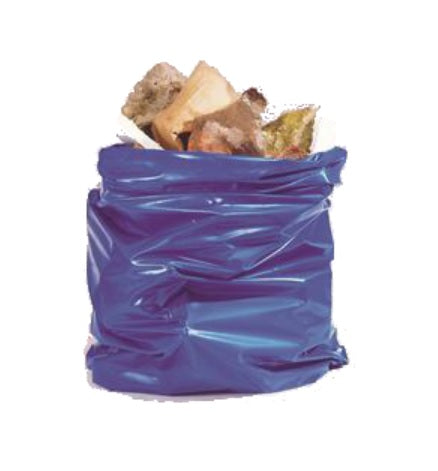
Discontinued Sacks
18x29x39 Medium Green Refuse Sacks (100% Recycled) — Overview
These medium green refuse sacks are designed for everyday waste collection where you need a dependable liner that’s easy to handle, quick to tie, and consistent from bag to bag. Made from 100% recycled material, they’re a practical choice for organisations looking to support recycled-content purchasing while keeping day-to-day waste handling straightforward.
Medium-duty sacks are commonly selected for general mixed waste, light packaging waste, and routine housekeeping tasks. The green colour can also support simple waste-stream identification in back-of-house areas, cleaning cupboards, and facilities stores.
Key Features
100% recycled material:
Manufactured from recycled content to support sustainability goals and recycled-content procurement requirements.
Medium-duty performance:
Balanced strength and flexibility for typical daily waste, helping reduce split bags during lifting and tying when used appropriately.
Green colour for easy identification:
Helps teams quickly recognise the correct sack for a given area or waste stream, supporting tidier waste segregation routines.
Generous capacity format:
The 18x29x39 format is widely used for standard refuse collection points and general-purpose bins.
Convenient bulk supply:
Supplied in trade-friendly pack quantities to keep stores stocked and reduce re-order frequency.
Key Features (Bullet Summary)
- Made from 100% recycled material
- Medium-duty refuse sack for everyday waste
- Green colour for quick visual identification
- Common 18x29x39 format used across many sites
- Suitable for routine cleaning and facilities use
Typical Uses
- General waste collection in offices, schools, and public buildings
- Housekeeping and janitorial waste in hospitality and leisure settings
- Back-of-house waste handling in retail and food service (non-food-contact use)
- Facilities management stores for multi-area deployment
- Event clear-ups and routine site maintenance
18x29x39 Medium Green Refuse Sacks (100% Recycled) — Full Product Guide
Choosing the right refuse sack is about more than just “will it fit the bin?”. The best results come from matching the sack’s duty level to the waste type, understanding how the sack will be handled (lifted, dragged, compacted, tied), and selecting a colour that supports your site’s waste routines. This guide explains how medium-duty green refuse sacks are typically used, what to consider when specifying them, and how to get consistent performance in day-to-day operations.
How It Works
Refuse sacks act as a containment layer between waste and the bin, helping keep internal bin surfaces cleaner and making waste removal faster and more hygienic. A medium-duty sack is intended to handle typical mixed waste loads without the extra material associated with heavy-duty sacks. When correctly matched to the waste stream, medium-duty sacks can provide an efficient balance of strength, handling comfort, and cost control.
For best performance, avoid overfilling and ensure sharp or abrasive items are either wrapped or disposed of using a more suitable liner or container. Tie off the sack securely before lifting, and lift from the neck rather than pulling from the side walls.
Materials and Construction
These sacks are made from 100% recycled material. Recycled-content sacks are widely used across commercial and public-sector environments because they support circular-economy purchasing and help reduce reliance on virgin plastic. Recycled polythene can vary in appearance compared with virgin material; slight variation in shade or finish can occur between batches, which is normal for recycled-content products.
Refuse sacks are typically produced as a tubular film that is sealed at the base. The overall performance depends on film quality, sealing consistency, and the duty level selected. Medium-duty sacks are designed to be flexible enough for tying and handling while still offering practical puncture and tear resistance for everyday waste.
Floor Type Compatibility
While refuse sacks are primarily used inside bins, they’re often handled across different floor surfaces during waste collection. Consider the following when planning your waste route:
- Smooth indoor floors (vinyl, sealed concrete, tiles): Medium-duty sacks are generally easy to handle when lifted and carried. Avoid dragging where possible to reduce abrasion.
- Rough surfaces (unfinished concrete, external yards): Abrasion risk increases. If sacks must be moved across rough ground, consider using a trolley, wheeled bin, or selecting a heavier-duty sack for that route.
- Stairs and tight corridors: Ensure sacks are not overfilled so they can be safely carried without snagging on edges or door frames.
Health and Safety
Good waste handling reduces the risk of manual handling injuries and contamination incidents. Recommended practices include:
- Manual handling: Do not overfill. A sack that is too heavy increases strain risk and is more likely to split during lifting.
- Sharps and broken items: Do not place needles, broken glass, or sharp metal directly into standard refuse sacks. Use approved sharps containers or rigid waste solutions.
- Hygiene: Tie sacks securely before removal. Where waste may be wet or odorous, increase collection frequency and ensure bins are cleaned routinely.
- Slip hazards: If a sack leaks, clean the area promptly and review whether the waste stream needs a stronger liner or double-bagging procedure.
These sacks are intended for waste containment and handling; they are not designed for food contact or for storing hazardous materials.
Ideal Applications and Use Cases
Medium-duty green refuse sacks are commonly specified where waste is relatively consistent and not overly heavy or sharp. Typical environments include:
- Offices and commercial premises: General waste from kitchens, desks, and communal areas.
- Education: Classroom and corridor waste, caretaker rounds, and routine cleaning.
- Hospitality: Back-of-house waste from housekeeping and general operations (excluding specialist clinical or hazardous waste).
- Retail: Light packaging waste and general refuse from staff areas.
- Facilities management: Multi-site standardisation where a single medium-duty sack covers most routine tasks.
If your waste includes heavy wet loads, rubble, or frequent sharp contamination, a heavy-duty sack may be more appropriate.
Maintenance, Cleaning and Care
Refuse sacks themselves are single-use items, but you can improve overall waste-area cleanliness and reduce sack failures by maintaining the surrounding system:
- Bin hygiene: Clean and dry bins regularly. Residue and sharp debris inside bins can increase puncture risk.
- Correct bin sizing: Use a bin that suits the sack format so the liner sits properly without excessive stretching.
- Storage: Store sacks in a cool, dry place away from direct sunlight and heat sources to help preserve film performance.
- Issue control: If splits occur, review the waste type and handling method first (overfilling and sharp items are common causes).
Case Study (Typical Site Scenario)
Scenario: A facilities team manages daily waste rounds across offices, meeting rooms, and shared kitchens. They need a consistent liner that staff can identify quickly and that supports recycled-content purchasing.
Approach: Standardise on medium green refuse sacks for general waste points, train cleaning staff to avoid overfilling, and use trolleys for collection routes that include external yard crossings.
Outcome: Faster waste rounds, fewer bin-cleaning interventions, and clearer stock control due to a single, recognisable sack type for routine areas.
Who Is It For?
- Cleaning contractors and janitorial teams
- Facilities managers standardising consumables across a site
- Schools, offices, and public buildings needing reliable daily waste liners
- Hospitality and leisure venues managing routine back-of-house waste
- Organisations prioritising recycled-content products
Colours / Features Available
This listing is for a green refuse sack variant. Many sites use colour to support simple segregation (for example, different colours for general waste vs. recycling streams). If you operate a colour-coded system, keep signage consistent and ensure staff know which colour corresponds to each waste type on your site.
Sizes Available
This product page may include multiple pack options/variants. Select the option that best matches your purchasing preference and storage capacity. If you require a different duty level or an alternative colour for your waste stream, consider reviewing the wider refuse sack range.
Note: Product availability can change over time. If this item is marked as discontinued, please contact us for the closest current alternative in the same format and colour.