

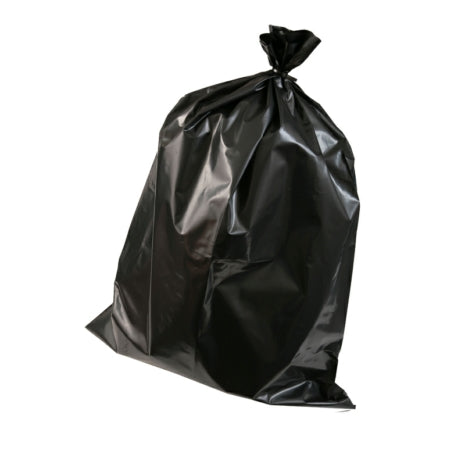
Refuse Sacks
Black Refuse Sacks (Medium Duty) — Practical, Everyday Waste Containment
These black refuse sacks are designed for reliable day-to-day waste collection where a tidy, opaque bag is preferred. They’re a popular choice for general rubbish in homes, offices, hospitality, and light commercial settings—helping keep bins clean, reduce mess during changeovers, and make waste handling more hygienic. With a medium-duty film thickness (25 micron), they balance strength and flexibility for routine waste streams such as mixed dry waste, packaging, and non-sharp general refuse.
Because this is a configurable product listing, you may see different pack quantities and pricing options. The core product remains the same: black refuse sacks intended for general-purpose waste disposal.
Key Features
Opaque black film for discreet disposal
The black colour helps conceal contents, making these sacks suitable for front-of-house bin areas, shared waste rooms, and any setting where a neat appearance matters.
Medium-duty thickness (25 micron)
A practical specification for everyday waste. The film is designed to be flexible enough to tie off easily while offering dependable performance for typical rubbish loads.
General-purpose refuse sack format
A classic refuse sack shape that fits many common bin types and waste frames used in domestic and commercial environments.
Convenient pack options
Available in pack quantities shown on the product page, making it easy to buy for occasional use or regular replenishment.
Simple, familiar handling
Designed for straightforward use: open, line the bin, fill appropriately, then tie off for disposal—ideal for busy teams and routine cleaning schedules.
- Colour: Black
- Type: Refuse sacks / bin liners
- Thickness: 25 micron (25mu)
- Pack sizes: As listed in the variant options
Typical Uses
- General household rubbish and everyday waste
- Office waste bins and shared kitchen areas
- Hospitality back-of-house waste handling (non-sharp waste)
- Light commercial waste collection and routine cleaning rounds
- Storage and containment of non-hazardous, non-sharp items prior to disposal
Black Refuse Sacks — Full Product Guide
Choosing the right refuse sack is about matching the bag to the waste type, the handling conditions, and the bin or frame you’re using. These black refuse sacks are positioned as a dependable, general-purpose option for routine waste streams. They’re especially useful where you want an opaque bag for a cleaner look and where the waste is not excessively heavy, sharp, or wet.
How It Works
Refuse sacks act as a removable liner that keeps the inside of your bin cleaner and makes waste removal faster and more hygienic. Once fitted to the bin, the sack collects waste throughout the day. When ready to change, the top can be gathered and tied off to help contain odours and loose debris during transport to your waste collection point.
For best results, avoid overfilling. Overfilling increases strain on the film and makes tying more difficult. A good rule is to leave enough headroom to gather the top comfortably before lifting.
Materials and Construction
These sacks are made from plastic film specified at 25 micron thickness. Micron (mu) is a measure of film thickness; in general, a higher micron value indicates a thicker film. A medium-duty thickness is commonly selected for everyday waste where you want a balance of strength and cost-efficiency.
As with most refuse sacks, performance depends not only on thickness but also on how the sack is used—waste type, weight, and whether sharp edges are present all affect real-world durability.
Bin and Frame Compatibility
Refuse sacks are typically used with free-standing bins, pedal bins, swing-top bins, and waste frames. To ensure a good fit, match the sack dimensions to your bin’s rim size and height. If you’re using a sack with a frame, ensure there’s enough excess at the top to fold over the frame and secure it.
If you’re unsure, consider how you want the sack to sit: some users prefer a snug fit for a tidy look, while others prefer extra length to allow easier tying and lifting.
Waste Type Guidance (What They’re Best For)
These sacks are intended for general-purpose refuse. They are well suited to:
- Mixed dry waste (paper, packaging, non-sharp items)
- Light food-contaminated waste where leakage risk is low (e.g., wrappers)
- Routine cleaning waste such as dust, sweepings, and disposable wipes (non-hazardous)
For heavier loads, sharp waste, or high-liquids waste streams, consider a heavier-duty sack specification to reduce the risk of punctures or splits.
Health and Safety
Good waste handling reduces the risk of spills, contamination, and manual handling injuries. When using refuse sacks:
- Do not overfill—overfilled sacks are harder to tie and more likely to split.
- Avoid sharp objects—broken glass, sharp metal, and rigid plastic edges can puncture film. Use appropriate containers for sharps.
- Lift correctly—tie off securely and lift using safe manual handling practices, especially in commercial settings.
- Prevent leaks—if disposing of wet waste, double-bagging or using a more suitable liner can help reduce leakage.
Ideal Applications and Use Cases
Offices and workplaces
Ideal for desk-side bins, shared waste points, and general office rubbish where a neat, opaque sack is preferred.
Hospitality and catering (general waste)
Useful for back-of-house waste collection where frequent bin changes are needed. For food waste with higher liquid content, consider a liner designed for wet waste.
Facilities management and cleaning teams
A practical option for routine rounds—easy to store, quick to deploy, and suitable for general refuse in many environments.
Domestic use
Suitable for everyday household rubbish, garage waste, and general clear-outs where you want a straightforward refuse sack.
Maintenance, Cleaning and Care
Refuse sacks are single-use consumables, but you can improve performance and reduce waste by using them efficiently:
- Use the right sack for the job—match thickness to waste type to reduce splits and double-bagging.
- Keep bins clean—wipe down bins regularly to reduce odours and residue build-up.
- Store correctly—keep sacks in a dry place away from heat and direct sunlight to help maintain film integrity.
Case Study (Typical Scenario)
Scenario: A small office with a kitchenette and shared waste bins needs a consistent, tidy-looking liner for daily rubbish removal.
Approach: The team uses black refuse sacks for general waste bins, tying off at the end of each day and replacing liners during cleaning rounds.
Outcome: Faster bin changes, cleaner bins, and a more discreet appearance in shared areas—without paying for heavy-duty sacks where they aren’t required.
Who Is It For?
- Households wanting a dependable everyday refuse sack
- Offices and workplaces managing routine general waste
- Cleaning teams and facilities managers needing a practical, cost-effective liner
- Hospitality venues handling general rubbish (non-sharp, non-heavy waste)
Colours / Features Available
This product is supplied as black refuse sacks. Black film is commonly chosen for discreet disposal and a uniform look across waste stations.
Sizes Available
This listing covers a refuse sack size shown in the product title and variant options. As this page may represent multiple purchasing options, please refer to the variant selection for the available pack quantities and pricing.
Need help choosing?
If you’re deciding between sack thicknesses, consider the typical weight of your waste, whether sharp edges are present, and how far sacks are carried before disposal. Selecting the right specification can reduce splits, improve hygiene, and save time during waste handling.