

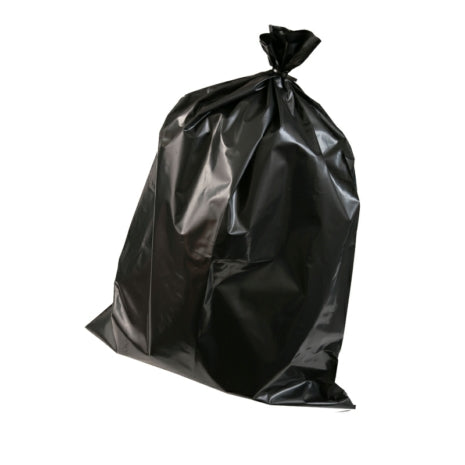
Refuse Sacks
Medium Black Refuse Sacks (30 micron) — 100% Recycled
These medium-duty black refuse sacks are designed for everyday waste handling where you want a dependable liner that’s easy to store, quick to open, and consistent from bag to bag. Made from 100% recycled material and supplied in a convenient trade pack, they’re a practical choice for workplaces, facilities teams, and busy households that need reliable sacks for routine disposal.
The product is commonly specified by its layflat dimensions (18 x 29 x 39) and thickness (30µ). In real-world terms, that means a sack intended for general refuse and light-to-medium waste streams—ideal when you need a balance of economy and performance without moving up to heavy-duty builders’ sacks.
Key Features
100% recycled content
Manufactured from recycled plastic to help reduce demand for virgin polymer while still delivering a functional, everyday refuse sack.
30 micron (30µ) medium-duty gauge
A popular thickness for general waste: strong enough for routine bin-lining and day-to-day rubbish, while remaining cost-effective for high-usage environments.
Black, opaque finish
Helps conceal contents for a tidier appearance in shared areas and during waste transfer.
Trade-friendly pack size
Supplied as a bulk pack (commonly listed as 200 sacks per pack) to reduce re-order frequency and keep stores cupboards stocked.
General-purpose refuse sack format
A widely used size/thickness combination that suits many standard bins and waste routines across commercial and domestic settings.
Key Features (Bullet Summary)
- Material: 100% recycled plastic
- Colour: Black (opaque)
- Thickness: 30 micron (30µ)
- Type: Refuse sacks / bin liners
- Pack format: Bulk trade pack (often 200 sacks)
Typical Uses
- General office and workplace waste
- Facilities management and janitorial routines
- Retail back-of-house waste collection
- Light-to-medium household refuse
- Event clean-ups and routine venue waste handling
Medium Black Refuse Sacks (30µ, 100% Recycled) — Full Product Guide
Introduction
Choosing the right refuse sack is about matching the sack’s size and gauge to the waste you generate and the way you handle it. A sack that’s too light can split when lifted; a sack that’s heavier than you need can add unnecessary cost. This medium-duty 30µ black refuse sack is a common, dependable specification for everyday waste streams—especially where sacks are used in volume and consistency matters.
How It Works
Refuse sacks act as a protective liner between waste and the bin, helping keep containers cleaner and making waste transfer faster and more hygienic. Once fitted to a bin, the sack collects waste throughout the day. When full, it can be tied or sealed (depending on your preferred method) and moved to your waste holding area for collection.
Because these sacks are black and opaque, they’re often chosen for shared spaces where you want a neat appearance and reduced visibility of contents during handling.
Materials and Construction
100% recycled plastic indicates the sack film is produced from recycled polymer feedstock. Recycled-content sacks are widely used across commercial cleaning and waste management because they offer a practical route to reducing virgin plastic use while still meeting everyday performance needs.
The 30 micron thickness is a key part of the construction. Micron (µ) is a measure of film thickness; in general, higher micron means a thicker film. A 30µ sack is typically selected for general refuse and light-to-medium waste where sharp edges and heavy loads are limited.
Understanding Size and Fit (18 x 29 x 39)
Refuse sacks are often described using layflat dimensions. The 18 x 29 x 39 format is a common way suppliers specify this style of sack. Fit can vary depending on bin shape (round vs square), rim design, and how you prefer to fold the liner over the top.
Practical tip: If you’re switching from another sack, compare both the stated dimensions and the way the sack sits in your bin. If you need more overhang for tying, consider whether you typically fill the bin to the top or remove the sack earlier.
Floor Type Compatibility
While sacks don’t directly interact with flooring in the way mats or tapes do, they are part of your overall cleaning workflow. These sacks are suitable for use in environments with common floor types such as vinyl, sealed concrete, tile, laminate, and carpeted office areas—where waste is collected from desks, stations, and general bins.
For areas where waste may include wet or messy contents, ensure bins are in good condition and consider using a secondary containment approach (e.g., a rigid internal bin) to reduce the chance of leaks affecting floors.
Health and Safety
Good waste handling reduces risk of injury and contamination. For best practice:
- Avoid overfilling: Overfilled sacks are more likely to split and are harder to lift safely.
- Lift correctly: Use safe manual handling techniques and avoid lifting by thin edges of the film.
- Be mindful of sharp waste: Broken glass, sharp metal, or jagged plastic can puncture medium-duty sacks. Where sharp waste is expected, use appropriate rigid containers or heavier-duty sacks.
- Segregate waste streams: Follow local guidance for recycling, food waste, and clinical/hazardous waste.
Ideal Applications and Use Cases
This 30µ medium-duty sack is best suited to routine, predictable waste streams such as:
- Offices and admin areas: Paper waste, packaging, and general mixed refuse.
- Retail and hospitality back-of-house: Light packaging, disposable items, and general waste.
- Schools and public buildings: Day-to-day classroom and corridor bin waste.
- Facilities and cleaning contractors: Regular scheduled waste removal where consistent stock and easy handling matter.
If your waste is consistently heavy, wet, or contains sharp items, consider stepping up to a heavier gauge sack to reduce split risk.
Maintenance, Cleaning and Care
Refuse sacks themselves are single-use consumables, but you can improve performance and hygiene by maintaining the bins they line:
- Keep bin rims clean: Dirt and residue can make liners slip or tear during fitting/removal.
- Use the right bin size: A liner that’s too tight is more likely to split; too loose can slump into the bin.
- Store sacks correctly: Keep packs dry and away from direct heat sources to help preserve film integrity.
Case Study (Typical Scenario)
Scenario: A small facilities team manages daily waste across offices, meeting rooms, and a staff kitchen. They need a sack that’s economical for high usage, looks tidy when removed from bins, and is strong enough for routine mixed waste.
Outcome: Medium-duty 30µ black refuse sacks provide a consistent, general-purpose solution. The opaque black film keeps waste discreet during internal transport, and the bulk pack format helps the team maintain stock levels with fewer re-orders.
Who Is It For?
- Facilities managers and caretakers
- Cleaning and janitorial teams
- Offices, schools, and public buildings
- Retailers and hospitality venues
- Households wanting a dependable everyday refuse sack
Colours / Features Available
This listing is for black refuse sacks. Black is commonly chosen for general waste because it is opaque and presents a neat appearance. If you require colour-coding for waste segregation (e.g., clear, blue, or other colours), check your site’s waste policy and select the appropriate liner type.
Sizes Available
This product page may represent a configurable range. The sack is specified as 18 x 29 x 39 with a 30µ gauge. If you need a different size or thickness for your bins or waste stream, consider selecting an alternative variant or contacting your supplier for guidance on the closest match.
Need help choosing?
If you can share your bin type (capacity/shape) and the typical waste you dispose of (light packaging vs heavier mixed waste), it’s easier to confirm whether a 30µ medium-duty sack is the best fit or whether a heavier gauge would reduce split risk.