

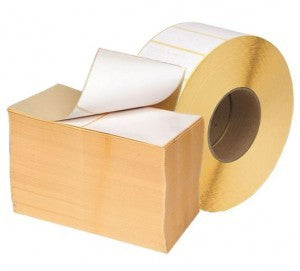
Self Adhesive Labels
Green Peel Self-Adhesive Labels (32 x 19)
These green peel-and-stick self-adhesive labels are a simple, reliable way to identify, organise and communicate key information on items, packs and paperwork. Designed for quick application, they help you add clear visual cues at a glance—ideal when colour-coding improves speed and accuracy in busy environments.
Because this is a self-adhesive label, you can apply it directly to a clean, dry surface without additional glue or tape. The green colour is especially useful for creating an easy-to-follow system (for example: status marking, routing, priority, inspection stages, or department identification) where instant recognition matters.
Key Features
- Peel-and-stick convenience: Quick to dispense and apply—ideal for fast-paced packing, picking and admin tasks.
- High-visibility green: Helps colour-code stock, documents or locations for faster identification.
- Compact rectangular format: A neat label footprint that suits small packs, components, shelves and paperwork.
- Multi-purpose use: Suitable for general identification, sorting, and process control labelling.
- Supplied in practical pack quantities: Convenient for regular day-to-day use and replenishment.
Typical Uses
- Colour-coding stock, parts, bins and shelf locations
- Pick/pack identification and order sorting
- Quality control and inspection status marking
- Returns processing and quarantine/hold identification
- Office filing, archiving and document routing
- Workshop and maintenance tagging for planned work stages
Green Peel Self-Adhesive Labels — Full Product Guide
Introduction
A good labelling system reduces errors, speeds up handling and makes processes easier to audit. Green peel self-adhesive labels are a straightforward tool for building that system—whether you’re marking cartons in a despatch area, identifying components in a workshop, or organising files in an office. Their strong visual impact makes them particularly effective when you need a clear “at-a-glance” indicator.
How It Works
Self-adhesive labels are designed to be removed from their backing and applied directly to a surface. In practice, the workflow is simple:
- Choose the correct label for the task (colour and format).
- Peel the label from the backing.
- Apply to a clean, dry surface and press firmly to ensure good contact.
Once applied, the label provides a consistent visual marker that can be used for identification, sorting, or communicating a process stage. Many teams use colour as a “first layer” of information, then add handwriting, stamps or printed text as the “second layer” where needed.
Materials and Construction
This product is supplied as a green peel-and-stick self-adhesive label. The key functional elements are:
- Face material: The visible green label surface used for identification and marking.
- Adhesive layer: Provides the bond to the application surface.
- Release backing: Protects the adhesive until application and allows clean peeling.
If you plan to write on the label, test your chosen pen/marker on a sample first to confirm drying time and legibility for your workflow.
Surface and Application Compatibility
For best results, apply labels to surfaces that are clean, dry and free from dust, oil or condensation. Typical compatible surfaces include:
- Cardboard cartons and paper packaging
- Plastic packaging films and polybags (where the surface is smooth and clean)
- Metal or painted surfaces (clean and dry)
- Office materials such as folders, envelopes and documents
Highly textured, dusty, damp or oily surfaces can reduce adhesion. If you’re applying labels in cold areas or on challenging substrates, trial a small batch first to confirm performance in your real conditions.
Health and Safety
Self-adhesive labels are generally straightforward to handle. Good practice includes:
- Keep hands clean and dry during application to avoid contaminating the adhesive.
- Store labels in a clean, dry area to maintain consistent performance.
- Dispose of backing liners responsibly to keep work areas tidy and reduce slip hazards.
Ideal Applications and Use Cases
Warehousing & Logistics
Use green labels to identify pick faces, mark completed picks, highlight priority orders, or separate routes and carriers. Colour-coding can reduce scanning/reading time and help new staff follow processes more quickly.
Manufacturing & Assembly
Green labels can support work-in-progress control—marking items that have passed a stage, are ready for the next operation, or require attention. They’re also useful for bin and component identification.
Quality Control
A simple colour system can help communicate inspection status. Green is often used to indicate “checked” or “approved” in internal systems (always align with your site’s standards).
Retail & Back-of-House
Ideal for stockroom organisation, returns processing, and quick shelf/bin identification where space is limited.
Office & Administration
Use for file indexing, document routing, and archiving. A consistent colour scheme makes retrieval faster and reduces misfiling.
Maintenance, Cleaning and Care
To keep labels performing well:
- Storage: Keep packs sealed and stored away from excessive heat, moisture and direct sunlight.
- Handling: Avoid touching the adhesive more than necessary during application.
- Application: Apply with firm pressure, especially at edges, to reduce lifting.
If labels are used in areas with frequent handling or abrasion, consider placing them where they are less likely to be rubbed, or use a protective over-label where your process allows.
Case Study (Example Workflow)
A small fulfilment team introduces green labels as part of a simple colour-coded despatch process:
- Step 1: Orders are picked and placed into a staging area.
- Step 2: A green label is applied to cartons that have been double-checked against the pick list.
- Step 3: Green-labelled cartons move to the despatch lane for carrier collection.
The result is a clearer visual separation between “picked” and “checked” work, reducing rework and helping supervisors spot bottlenecks quickly.
Who Is It For?
- Warehouse and logistics teams implementing colour-coded processes
- Manufacturing and assembly operations needing quick visual status marking
- Quality teams supporting inspection and traceability workflows
- Retail stockrooms and back-of-house teams improving organisation
- Offices and admin teams managing files, archives and document routing
Colours / Features Available
This listing is for green peel self-adhesive labels. If you use multiple colours for different meanings, keep your colour key consistent across departments and include it in training materials or SOPs.
Sizes Available
This product is supplied in a compact rectangular label format as shown in the product title. If you need a different label size or colour for your system, consider standardising across your site so labels remain easy to recognise and reorder.
Tip: If you’re building a new labelling system, start with a small set of colours and clear rules (what each colour means, where labels should be placed, and who applies them). Consistency is what makes colour-coding effective.