

Printed Parcel Labels
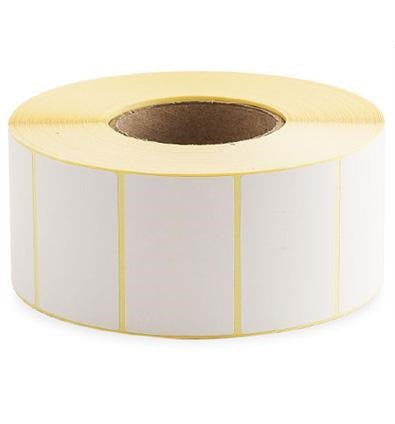
38 x 25 Plain White Direct Thermal Printer Labels (5,500 per roll) — Product Overview
These plain white direct thermal labels are designed for fast, clean printing of small-format identification and logistics labels. With a compact 38 x 25 label size and a high label count per roll, they’re a practical choice for busy packing benches, stock rooms, and production environments where you need consistent, scannable labels without the extra step of loading a ribbon.
Direct thermal labels print using heat from the printhead onto a heat-sensitive coating, so there’s no ink or ribbon required. That makes them simple to run day-to-day, especially for short-life labels such as pick/pack identifiers, shelf-edge IDs, and internal tracking labels.
Key Features
- Direct thermal printing (no ribbon required): Prints using heat, helping reduce consumables and simplifying printer setup.
- Compact 38 x 25 label format: Ideal for small product IDs, bin locations, barcodes, and short text where space is limited.
- Plain white finish: Clean, high-contrast background for readable text and scannable barcodes.
- High labels-per-roll count: 5,500 labels per roll helps reduce roll changes in higher-throughput workflows.
- Suitable for parcel and warehouse labelling: Commonly used for pick/pack, inventory, and general identification tasks.
Typical Uses
- Warehouse bin and shelf location labels
- Product identification and SKU labels
- Pick/pack and internal tracking labels
- Short-life logistics and handling labels
- General purpose barcode labels for stock control
38 x 25 Plain White Direct Thermal Printer Labels — Full Product Guide
Choosing the right thermal label is about more than just the face size. Printer type, roll format, and the environment the label will live in all affect performance. This guide explains how direct thermal labels work, what to check for compatibility, and how to get the best results from 38 x 25 plain white thermal labels supplied at 5,500 labels per roll.
How It Works
Direct thermal labels use a heat-sensitive top coating. When the printer’s thermal printhead applies heat in a controlled pattern, the coating darkens to form text, lines, and barcodes. Because the image is created by heat rather than transferred from a ribbon, direct thermal printing is typically quick to set up and convenient for everyday operational labelling.
When direct thermal is a good fit: If your labels are used for short-to-medium duration applications (for example, internal stock movement, picking, or temporary identification), direct thermal is often the simplest option.
When to consider alternatives: If labels must remain legible for long periods or face harsh conditions (high heat, prolonged sunlight, heavy abrasion, or chemical exposure), a thermal transfer label and ribbon system may be more appropriate. If you’re unsure, consider how long the label needs to remain readable and what it will be exposed to.
Materials and Construction
These labels are supplied as plain white direct thermal labels. The white face stock is designed to provide strong contrast for printed information, supporting clear readability and barcode scanning. Direct thermal label stocks are engineered to respond consistently to the printhead’s heat, helping produce crisp output at typical print speeds.
Because direct thermal labels rely on a heat-reactive coating, they can be more sensitive to environmental factors than thermal transfer labels. For best results, store rolls in a cool, dry place and avoid prolonged exposure to heat sources.
Printer Compatibility (What to Check)
Thermal labels are not one-size-fits-all. Before ordering, confirm the roll format matches your printer’s requirements. Key checks include:
- Printer type: Ensure your printer supports direct thermal printing (many desktop and industrial thermal printers do).
- Label sensing: Confirm whether your printer uses gap sensing, notch sensing, or black mark sensing, and match the label format accordingly.
- Roll core size and roll diameter: Different printers accept different core sizes and maximum roll diameters. Check your printer specification or existing roll.
- Print width capability: Make sure the printer can print across the label width and handle the label length reliably.
- Winding orientation: Some printers require labels wound in a specific direction (labels out vs labels in). Match to your current setup.
If you’re replacing an existing label, the simplest approach is to compare the new roll to your current roll: label size, roll width, core, and how the labels feed through the printer.
Barcode and Print Quality Guidance
Small-format labels can still carry highly scannable barcodes when set up correctly. To improve scan reliability:
- Use appropriate barcode symbologies: Choose a barcode type suited to the amount of data you need and the available space.
- Allow quiet zones: Leave sufficient blank space around barcodes so scanners can read them reliably.
- Match print darkness and speed: If barcodes look faint, increase darkness slightly; if they look smudged or too bold, reduce darkness or slow the print speed.
- Keep the printhead clean: Dust and adhesive residue can reduce print clarity and cause streaking.
Because these are direct thermal labels, print quality is also influenced by the condition of the printhead and the label stock’s thermal coating. Regular maintenance helps keep output consistent.
Floor Type Compatibility
These labels are intended for application to products, packaging, and typical warehouse surfaces rather than flooring. If you need labels for floor marking or heavy-duty ground applications, consider specialist floor marking tapes or industrial-grade labels designed for abrasion resistance.
Health and Safety
Thermal label rolls are straightforward to handle, but good practice helps maintain performance and reduce downtime:
- Keep rolls clean and dry: Moisture and contamination can affect adhesion and print quality.
- Avoid heat exposure: Direct thermal coatings can darken if exposed to heat sources.
- Use safe cutting practices: If trimming labels or backing material, use appropriate tools and follow workplace safety procedures.
Ideal Applications and Use Cases
The 38 x 25 format is commonly chosen when you need a compact label that still supports clear text and barcodes. Typical environments include:
- E-commerce fulfilment: Internal identifiers for pick/pack workflows, tote labels, and small carton labels.
- Warehousing and logistics: Bin location labels, shelf labels, and stock movement tracking.
- Retail back-of-house: Product IDs, date codes (where applicable), and internal tracking.
- Manufacturing and assembly: Work-in-progress identifiers and component labels.
The high roll count (5,500 labels per roll) is particularly useful where printers run continuously and you want to minimise roll changes.
Maintenance, Cleaning and Care
To keep your printer and labels performing well:
- Clean the printhead regularly: Use a printer-approved cleaning pen or wipes to remove residue.
- Check rollers and sensors: Dust build-up can cause feeding issues or mis-reads between labels.
- Store rolls correctly: Keep in original packaging where possible, away from direct sunlight and heat.
- Rotate stock: Use older rolls first to maintain consistent performance.
Case Study (Example Workflow)
Scenario: A small fulfilment team prints internal SKU labels for picked items before packing. They need a compact label that fits on product packaging without covering key information.
Approach: Using 38 x 25 direct thermal labels, the team prints a short SKU, a barcode, and a batch reference. The high label count per roll reduces interruptions during peak periods.
Outcome: Faster pick verification and fewer printer stoppages due to roll changes, supporting smoother throughput during busy dispatch windows.
Who Is It For?
- Businesses using direct thermal printers for day-to-day operational labelling
- Warehouses and stock rooms needing compact barcode labels
- Fulfilment teams aiming to reduce roll-change downtime
- Operations that prefer ribbon-free printing for simplicity
Colours / Features Available
This listing is for plain white direct thermal labels. If you require coloured labels, pre-printed designs, or specialist adhesives, consider alternative label ranges designed for those requirements.
Sizes Available
This product page covers the 38 x 25 label format supplied as a roll with 5,500 labels per roll. If you need a different label size or roll configuration, you may be able to select other options within the wider thermal label range.