

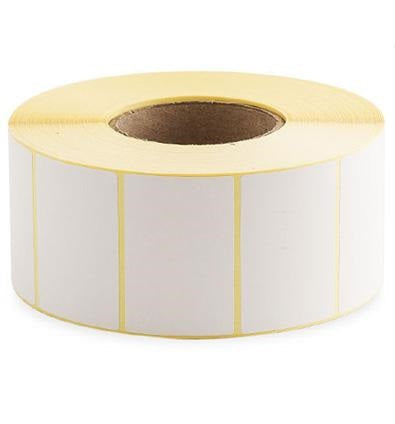
Printed Parcel Labels
Overview
These plain white direct thermal labels are designed for fast, clear printing without the need for ink, toner or ribbons. Supplied on rolls for use in compatible direct thermal label printers, they’re a practical choice for high-volume identification and tracking tasks where you need consistent, scannable output and quick application. The square format is ideal when you want a compact label area for barcodes, QR codes, batch codes, dates, prices, or short product information.
Because they are direct thermal, the print is created by heat reacting with the label’s coated surface. This makes them simple to run and cost-effective for everyday operations—especially where you’re printing variable data on demand. They’re commonly used across retail, warehousing, manufacturing, healthcare, and general stock control environments.
Key Features
-
Direct thermal printing (no ribbon required)
Prints using heat from the printhead onto a heat-sensitive coating—reducing consumables and simplifying printer setup. -
Plain white face stock for high contrast
A clean white surface helps produce sharp text and barcodes for reliable scanning and legibility. -
Roll format for efficient workflows
Roll-fed labels support continuous, high-throughput printing and quick label application in busy environments. -
Square label format
A compact footprint that suits small packs, trays, bins, shelves, and components where space is limited. -
Suitable for variable data
Ideal for printing changing information such as dates, batch/lot codes, weights, prices, and internal tracking IDs. -
Works with compatible direct thermal printers
Designed for use in printers that support direct thermal media. (Always confirm core size, roll diameter limits, and sensor/gap requirements for your printer.)
Typical Uses
- Inventory and stock identification labels
- Shelf-edge and bin location labels
- Small product or component labels
- Batch/lot and date coding labels
- Barcode and QR code labels for internal tracking
- Work-in-progress (WIP) and production routing labels
38 x 38 Plain White Direct Thermal Printer Labels — Full Product Guide
Choosing the right thermal label is about more than just the face size. Printer compatibility, application environment, and the lifespan you need from the printed image all matter. This guide explains how direct thermal labels work, what to check before ordering, and how to get the best performance from your rolls.
How It Works
Direct thermal labels use a specially coated surface that darkens when heated by the printer’s thermal printhead. Because the image is formed directly on the label material, there’s no ribbon to load and fewer consumables to manage. This can speed up changeovers and reduce ongoing costs for everyday labelling tasks.
Direct thermal is often selected for applications where labels are used within a shorter timeframe or where the label is not exposed to harsh conditions. If you need long-term durability or resistance to heat, sunlight, chemicals, or abrasion, you may want to compare direct thermal with thermal transfer (which uses a ribbon) for your specific use case.
Materials and Construction
These labels are supplied as plain white direct thermal rolls. The key elements of a thermal label roll typically include:
- Thermal topcoat / imaging layer that reacts to heat to create the printed image
- Face stock (the printable surface) engineered for consistent imaging and contrast
- Adhesive layer designed to bond to the intended surface (performance depends on the substrate and conditions)
- Liner/backing paper that carries the labels through the printer and peels away during application
If you’re applying labels to challenging surfaces (very cold items, textured plastics, dusty cartons, or curved small-diameter products), it’s worth checking adhesive type and application conditions to ensure reliable bonding.
Printer and Roll Compatibility (What to Check)
Even when the label face size is correct, roll specifications must match your printer. Before ordering, confirm:
- Core size required by your printer (common cores vary by printer type)
- Maximum roll outer diameter your printer can accept
- Label sensing method (gap/notch/black mark) and whether your printer is set up accordingly
- Winding direction (labels out or labels in) depending on printer design
- Print width capability—ensure the printer can image the full label area
If you’re unsure, provide your printer make/model and current label spec and we can help you match the correct roll configuration.
Floor Type Compatibility (Where These Labels Work Best)
Direct thermal labels are widely used across many environments, but performance depends on exposure. They are typically best suited to:
- Indoor applications
- General-purpose handling and storage
- Short-to-medium duration identification where the label is not exposed to extreme heat or direct sunlight
If labels will be exposed to high temperatures, UV light, oils/solvents, or heavy abrasion, consider whether a more durable label material or print method is required.
Health and Safety
For safe and reliable operation:
- Use labels that are compatible with your printer to reduce the risk of printhead wear or feeding issues.
- Keep rolls clean and dry; contamination (dust, oil, moisture) can affect print quality and adhesion.
- Store rolls away from heat sources and direct sunlight to help preserve the thermal coating and prevent premature darkening.
Ideal Applications and Use Cases
These square direct thermal labels are a strong fit when you need compact, scannable labels for operational efficiency. Common scenarios include:
- Warehousing & logistics: bin labels, pick-face labels, tote identification, internal tracking
- Retail & e-commerce: product ID labels, short-run pricing, returns processing labels
- Manufacturing: WIP labels, batch/lot tracking, inspection status labels
- Healthcare & labs: non-critical identification where short-term readability is required (always validate for your compliance needs)
- Office & facilities: asset tags for indoor use, file and storage labels
Maintenance, Cleaning and Care
Good printer maintenance improves print clarity and reduces downtime:
- Clean the printhead periodically using appropriate cleaning materials recommended by your printer manufacturer.
- Remove adhesive residue from rollers and guides if you notice feeding issues.
- Adjust print darkness/speed to achieve crisp barcodes without overheating the thermal coating.
- Store label rolls correctly—cool, dry conditions help maintain coating performance and adhesive quality.
Case Study (Example Workflow)
Scenario: A small parts distributor needs to label thousands of component bags and storage bins each week. They print a barcode plus a short SKU and location code on demand.
- Challenge: Reduce time spent changing consumables and keep labels consistent for scanning.
- Solution: Switch to direct thermal rolls for everyday identification labels, using a compact square format to fit small packaging.
- Result: Faster printing with fewer consumables to manage, and improved consistency for internal scanning and stock control.
Who Is It For?
- Businesses printing high volumes of short-run labels
- Operations teams needing quick, reliable barcode/QR labels
- Warehouses and stockrooms labelling bins, shelves, and components
- Retailers and fulfilment teams needing compact identification labels
Colours / Features Available
Colour: Plain white.
Print method: Direct thermal (no ribbon).
If you require coloured labels, pre-printed designs, or alternative materials/adhesives, check the wider range of thermal label options.
Sizes Available
This product listing covers a square label format supplied on rolls. If you need a different label size, roll configuration, or a specific core/roll diameter to suit your printer, please enquire—many label formats can be supplied to match common printer requirements.
Ordering tip: When comparing like-for-like products, confirm not only the label face size and labels-per-roll, but also the core size, roll diameter, and sensing method required by your printer.