

Printed Parcel Labels
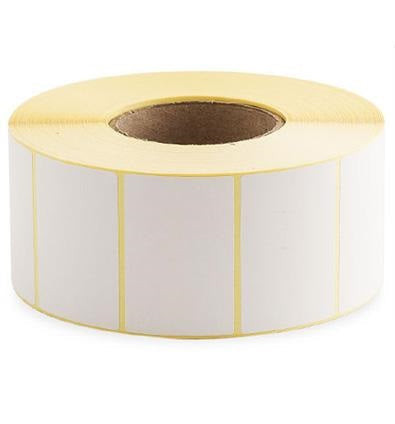
52 x 26 Plain White Direct Thermal Printer Labels (5,000 per roll)
These plain white direct thermal labels are designed for fast, clean printing of barcodes, product identifiers and shipping information without the need for ink, toner or ribbon. In a compact 52 x 26 format, they’re a popular choice where you need a clear, scannable label but want to keep the footprint small—ideal for parcel processing, stock control and general warehouse labelling.
Direct thermal labels use heat-sensitive coating that darkens when it passes under the printhead. That makes them a practical option for high-throughput environments where speed and simplicity matter. Supplied on a roll with 5,000 labels, they’re well suited to continuous printing runs and busy dispatch benches.
Key Features
Direct thermal printing (no ribbon required):
Prints using heat from the printer’s thermal head, so there’s no ribbon to load or replace. This helps reduce consumable handling and keeps day-to-day operation straightforward.
Plain white face stock for high contrast:
A clean white surface supports crisp text and barcode output for reliable scanning and easy visual identification.
Compact 52 x 26 label format:
A space-efficient size that works well for smaller cartons, poly mailers, shelf locations, product bins and internal tracking labels—without taking over the pack surface.
High-capacity roll (5,000 labels):
A large roll count helps reduce roll changes during peak periods, supporting smoother workflows in packing and goods-in areas.
Suitable for parcel and logistics labelling:
Commonly used for printed parcel labels and operational labels where speed and legibility are key.
- Direct thermal label stock (no ribbon)
- Plain white for clear print contrast
- 52 x 26 label size
- 5,000 labels per roll for fewer changeovers
- Ideal for warehouse, dispatch and general identification
Typical Uses
- Parcel processing and dispatch identification labels
- Warehouse bin and shelf location labels
- Stock control and internal tracking labels
- Product ID and short-form barcode labels
- Returns processing and sorting labels
52 x 26 Direct Thermal Labels — Full Product Guide
Choosing the right thermal label is about more than just the dimensions. Print method, handling conditions, and how long the label needs to remain readable all affect performance. This guide explains how direct thermal labels work, where they perform best, and what to consider when setting up your printer and workflow.
How It Works
Direct thermal labels are coated with a heat-sensitive layer. When the label passes under the printer’s thermal printhead, targeted heat activates the coating to create the printed image. Because the image is formed directly on the label surface, there’s no ribbon involved—making direct thermal a convenient option for many operational labels.
Best for: high-volume, short-to-medium life labels where quick printing and simple consumables are priorities.
Materials and Construction
These labels are supplied as plain white direct thermal labels on a roll. The face stock is designed to respond consistently to thermal printheads, producing sharp text and barcodes. As with most direct thermal media, the printed image can be affected by prolonged exposure to heat, strong light, or abrasion, so it’s important to match the label type to the environment and expected label life.
If you need longer-term durability or resistance to heat and sunlight, a thermal transfer label (printed with a ribbon) may be more suitable. For many parcel and internal logistics applications, direct thermal is the preferred choice due to speed and simplicity.
Printer Compatibility and Setup
These are direct thermal labels, so they are intended for printers that support direct thermal printing. For best results:
- Confirm your printer is set to Direct Thermal mode (not Thermal Transfer).
- Run a calibration after loading a new roll so the printer correctly detects label gaps and length.
- Use an appropriate print speed and darkness setting to achieve crisp barcodes without over-darkening.
Because configurable product pages can represent multiple cores, roll orientations, or compatible printer families, always check your printer’s requirements (core size, maximum roll diameter, and sensor type) before ordering.
Floor Type Compatibility
These labels are designed for application to typical packaging and operational surfaces rather than flooring. For best adhesion and readability, apply to clean, dry surfaces such as cartons, mailers, plastic totes, and smooth packaging films where appropriate.
Health and Safety
For safe handling and consistent performance:
- Store rolls in a cool, dry place away from direct sunlight and heat sources.
- Avoid contact with oils, solvents, or plasticisers that may affect the thermal coating.
- When applying labels, ensure surfaces are clean and dry to reduce lifting or edge curl.
Ideal Applications and Use Cases
The 52 x 26 format is particularly useful where you need a compact label that still provides enough space for a barcode and key text fields. Common use cases include:
- Dispatch operations: internal routing labels, tote IDs, pick/pack identifiers
- Warehouse management: bin labels, shelf markers, location IDs
- Inventory control: SKU labels, batch references, short-form product IDs
- Returns and sorting: quick-scan labels for triage and processing
Maintenance, Cleaning and Care
Thermal printers perform best when the printhead and platen roller are kept clean. To help maintain print quality:
- Clean the printhead periodically using manufacturer-approved cleaning materials.
- Remove adhesive residue promptly to prevent tracking issues and print defects.
- Keep labels free from dust and debris during storage and loading.
Consistent maintenance can improve barcode clarity and reduce downtime—especially in high-volume environments.
Case Study (Typical Workflow Example)
Scenario: A busy dispatch bench prints identification labels for parcels and internal totes throughout the day.
Approach: Using direct thermal labels on high-count rolls reduces the frequency of roll changes. Operators print barcodes and short text fields quickly without managing ribbons, helping keep the packing line moving.
Outcome: Faster changeovers, simpler consumables, and consistent label output for scanning and sorting.
Who is it for?
- Warehouses and fulfilment centres needing fast, reliable barcode labels
- E-commerce operations printing internal routing and parcel identifiers
- Manufacturing and assembly areas using short-form tracking labels
- Retail back-of-house teams managing stock locations and bins
Colours / Features Available
This listing is for plain white direct thermal labels. If you require coloured labels, pre-printed designs, or alternative adhesives, consider contacting the team to discuss available options.
Sizes Available
This product page represents a specific label format (52 x 26). If you need a different label size, roll count, or a format tailored to your workflow, you may be able to select alternative variants on the page or request guidance on the closest match.
Note: Direct thermal labels are ideal for many logistics and operational uses. If your labels must remain readable for extended periods or will be exposed to heat or strong sunlight, ask about alternative label materials better suited to long-life applications.