

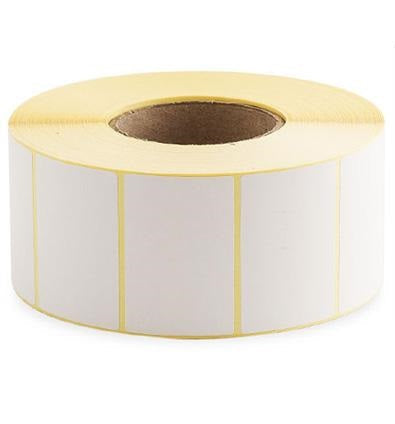
Printed Parcel Labels
Plain White Thermal Transfer Printer Labels (70 x 32) — Product Overview
These plain white thermal transfer printer labels are designed for crisp, durable printing when used with a thermal transfer label printer and ribbon. The 70 x 32 label format is a popular choice for compact identification and logistics marking where you need clear barcodes, product codes, and short text lines without taking up unnecessary space. Supplied on a roll for efficient high-volume printing, they’re ideal for busy packing benches, stock rooms, and production environments where speed and consistency matter.
Thermal transfer printing uses a ribbon to transfer ink onto the label surface, helping produce sharp, long-lasting results that can be more resistant to smudging and abrasion than many direct thermal applications. These labels are supplied in a plain white finish to support high contrast printing for scanners and easy visual checking.
Key Features
Thermal transfer print compatibility:
Designed for use with thermal transfer printers and an appropriate ribbon, helping deliver strong, high-contrast print for barcodes and text.
70 x 32 label format:
A compact label size that suits many identification tasks, including product labelling, shelf/bin marking, and small parcel or component identification.
Plain white face stock:
A clean white surface supports excellent readability and barcode scan performance, making it suitable for operational labelling where clarity is essential.
Roll supply for efficiency:
Roll-fed labels support fast printing and easy handling in high-throughput environments such as dispatch, warehousing, and manufacturing.
Consistent results for operational workflows:
Thermal transfer printing is widely used for repeatable, professional-looking labels across inventory, shipping, and internal tracking processes.
Key Features (Bullet Summary)
- Plain white thermal transfer labels for ribbon-based printing
- 70 x 32 label size for compact identification and barcode labelling
- Roll format for efficient printing and handling
- Suitable for clear text, barcodes, and short product/stock codes
- Designed for operational use in packing, storage, and production areas
Typical Uses
- Warehouse bin and shelf labels
- Inventory identification and stock rotation labels
- Product ID and barcode labels for internal tracking
- Picking/packing workflow labels and dispatch identification
- Manufacturing work-in-progress (WIP) and component labels
Plain White Thermal Transfer Printer Labels (70 x 32) — Full Product Guide Introduction
Choosing the right label is about more than just dimensions. Print method, ribbon selection, adhesive performance, and how the label will be handled all affect real-world results. This guide explains how thermal transfer labels work, what to consider when matching labels to your printer and workflow, and how to get the best performance from a 70 x 32 label format in day-to-day operations.
How It Works
Thermal transfer printing uses a heated printhead to melt ink from a ribbon onto the label surface. Because the image is transferred from the ribbon rather than created by heat-reactive paper, thermal transfer labels are commonly chosen when you need durable print that stays legible through handling, rubbing, and general operational wear.
For best results, match the ribbon type to your application. Wax ribbons are often used for general-purpose paper labels, while wax/resin or resin ribbons can be selected when you need improved resistance to smudging or abrasion. Your printer settings (darkness/heat and speed) also influence barcode edge definition and text sharpness.
Materials and Construction
These labels are supplied in a plain white finish intended for thermal transfer printing. The white face stock is designed to provide strong contrast for black print, supporting both human readability and barcode scanning. Roll labels are manufactured to run smoothly through compatible printers, helping reduce misfeeds and maintain consistent print placement.
Because thermal transfer systems rely on ribbon transfer, the label surface is chosen to accept ribbon ink cleanly. This helps produce crisp lines and solid fills, which is especially important for small barcodes and compact text on a 70 x 32 format.
Printer and Ribbon Compatibility
Thermal transfer labels are intended for printers that support ribbon use. Before ordering, confirm your printer is a thermal transfer model (or a dual-mode printer configured for thermal transfer) and check the printer’s supported roll specifications such as core size, maximum roll diameter, and label sensing method (gap/notch/black mark). If you’re unsure, your printer model and current label specification are the quickest way to confirm compatibility.
Ribbon selection matters. If you’re printing standard barcodes and text for general warehouse use, a general-purpose ribbon is often suitable. If labels will be handled frequently or exposed to rubbing, consider a ribbon designed for improved durability. Always test a small batch with your intended ribbon and printer settings to confirm scan performance and adhesion in your environment.
Floor Type Compatibility
These are product labels intended for items, packaging, and storage locations rather than floor marking. If you need floor signage or warehouse aisle marking, a dedicated floor label or floor tape system is typically more appropriate due to the higher abrasion and cleaning demands of foot and vehicle traffic.
Health and Safety
Use labels as part of a clear identification system to support safe picking, packing, and storage. Ensure barcodes and text remain legible and are placed where they can be scanned without awkward handling. When applying labels to packaging, avoid covering critical safety information, handling symbols, or regulatory markings. In production environments, confirm that label placement does not interfere with moving parts, vents, or heat-sensitive areas of equipment.
Ideal Applications and Use Cases
The 70 x 32 format is well suited to compact labelling tasks where you need a balance between readability and space efficiency. It can work well for:
- Inventory and location labelling: bin faces, shelf edges, tote IDs, and pick locations.
- Product identification: SKU labels, internal product codes, and barcode IDs.
- Dispatch workflows: short routing labels, internal tracking labels, and packing bench identification.
- Manufacturing and assembly: component IDs, batch references, and WIP tracking labels.
If you need to include more information (long descriptions, multiple barcodes, or compliance text), you may prefer a larger label format. If you only need a small code or short identifier, this size can help keep labels neat and reduce wasted space.
Maintenance, Cleaning and Care
Label performance depends on both printing and application. For best results:
- Apply to clean, dry surfaces: remove dust, oils, and moisture before application.
- Allow adhesive to bond: many adhesives build strength over time; avoid heavy handling immediately after application where possible.
- Store rolls correctly: keep labels in a cool, dry place away from direct sunlight and excessive heat.
- Maintain your printer: clean the printhead and platen roller as recommended by the printer manufacturer to reduce streaking and improve print consistency.
- Use correct printer settings: adjust darkness and speed to achieve sharp barcode edges without overheating.
Case Study (Example Workflow)
A small e-commerce dispatch team prints compact barcode labels for pick totes and internal parcel identification. By using a roll-fed thermal transfer label format, they can print batches quickly, keep labels consistent across shifts, and reduce reprints caused by smudging. The 70 x 32 size provides enough space for a barcode and short reference text while staying tidy on smaller cartons and poly mailers.
In a warehouse setting, the same label format can be used for bin locations and replenishment IDs, helping staff scan quickly and reduce picking errors.
Who is it for?
- Warehouses and stock rooms needing reliable barcode and location labels
- Retail back-of-house teams managing inventory and replenishment
- Manufacturing and assembly operations tracking components and WIP
- Fulfilment and dispatch teams printing repeatable operational labels
Colours / Features Available
This listing is for plain white labels intended for thermal transfer printing. If you require coloured labels for zoning, priority picking, or visual sorting, or if you need pre-printed elements, consider alternative label options designed for those workflows.
Sizes Available
This product page covers the 70 x 32 label format. If you need a different label size to fit longer text, larger barcodes, or specific packaging dimensions, explore other thermal transfer label sizes within the same range.
Need help matching labels to your printer?
If you share your printer model and how you plan to use the labels (e.g., warehouse bins, product IDs, dispatch), it’s easier to confirm the best ribbon type and settings for clear, scannable results.