

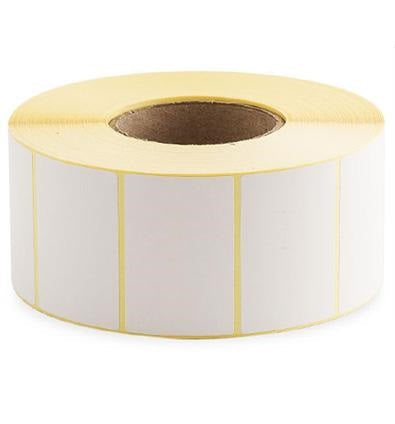
Printed Parcel Labels
76 x 76 Plain White Thermal Transfer Printer Labels — Overview
These plain white thermal transfer labels are designed for crisp, durable printing when used with a thermal transfer label printer and the correct ribbon. The 76 x 76 format is a versatile square label size that suits a wide range of identification and logistics tasks, from internal stock control to outward-facing parcel and product labelling. Supplied on rolls for efficient, high-volume printing, they help keep workflows moving in busy packing benches, goods-in areas, and dispatch stations.
Thermal transfer printing is commonly chosen where you want strong resistance to smudging and handling compared with many direct thermal applications. When paired with an appropriate ribbon, the printed image can remain sharp and scannable for longer—ideal for barcodes, SKU labels, batch information, and routing details that need to stay readable through picking, packing, and transit.
Key Features
Thermal transfer print process:
Designed for use with thermal transfer printers and a compatible ribbon, producing clear text and barcodes suitable for operational labelling.
Plain white face stock:
A clean, neutral label surface that supports high contrast printing and professional presentation across many industries.
Square 76 x 76 label format:
A practical, space-efficient shape that works well for barcodes, QR codes, product identifiers, and handling instructions.
Roll supplied for productivity:
Roll format supports fast printing and easy loading in many label printer setups, helping reduce downtime during busy periods.
Suitable for parcel and operational labels:
Commonly used for printed parcel labels and general-purpose identification where consistent print quality matters.
Key Features (Bullet Summary)
- Thermal transfer labels for ribbon-based printing
- Plain white labels for high-contrast output
- 76 x 76 square format for flexible layouts
- Roll supply for efficient, high-volume printing
- Ideal for barcodes, SKU labels, and parcel labelling
Typical Uses
- Printed parcel labels for dispatch and courier workflows
- Warehouse location and bin identification
- Inventory and stock control labels (SKU, batch, date fields)
- Product identification and internal tracking
- Returns processing and relabelling
76 x 76 Plain White Thermal Transfer Printer Labels — Full Product Guide
Choosing the right label is about more than the dimensions. Printer compatibility, ribbon selection, adhesive performance, and the environment the label will face all influence results. This guide explains how thermal transfer labels work, what to consider before ordering, and how to get the best print quality and scanning reliability from your setup.
How It Works
Thermal transfer printing uses a heated printhead to transfer ink from a ribbon onto the label surface. This method is widely used for operational labels because it can produce sharp, consistent output at speed. It is particularly useful where labels may be handled frequently or where you want the printed image to remain clear for longer periods.
To print successfully, you’ll need:
- A thermal transfer label printer (not direct thermal-only)
- A ribbon compatible with your printer and label material
- Correct printer settings (darkness/heat, speed, and calibration)
If you are unsure whether your printer is thermal transfer, check whether it accepts a ribbon cartridge or ribbon roll. Thermal transfer printers are designed to run with ribbon, whereas direct thermal printers print directly onto heat-sensitive label stock.
Materials and Construction
These labels are supplied as plain white thermal transfer labels on a roll. The white face stock is intended to provide a consistent printing surface for clear text and barcode definition. In most operational environments, a plain white label is preferred because it supports high contrast and makes scanning easier.
Because thermal transfer printing relies on ribbon, the final durability of the print can vary depending on ribbon type and the conditions the label is exposed to. For example, different ribbons are commonly selected depending on whether you need general-purpose performance or increased resistance to abrasion and handling.
Printer Compatibility and Setup Tips
Roll labels can be used across many thermal transfer printers, but compatibility depends on several practical factors. Before ordering or installing, it’s worth checking:
- Label size support: Ensure your printer can accommodate the 76 x 76 format and can be configured for the correct label dimensions.
- Roll and core fit: Printers vary in maximum roll diameter and core size requirements. If your printer uses an internal roll holder, confirm the roll will fit.
- Winding direction: Some printers require labels to be wound in a specific direction (labels out or labels in). If you’re replacing an existing label, match the winding style.
- Sensor type: Gap/notch sensing and calibration affect how the printer detects each label. Run a calibration after loading a new roll.
Print quality tip: If barcodes look fuzzy or too light, adjust print darkness and speed, and confirm you’re using a ribbon suited to the label stock. A small change in settings can significantly improve edge definition and scan rates.
Floor Type Compatibility
Not applicable. These are printer labels intended for packaging, logistics, and identification tasks rather than flooring products.
Health and Safety
Labels are typically safe to handle in normal use. For best practice in busy packing and warehouse environments:
- Keep rolls stored clean and dry to avoid contamination that can affect adhesion and print quality.
- When changing rolls or ribbons, follow your printer manufacturer’s guidance to avoid contact with hot components.
- Dispose of used backing liners and ribbons responsibly to reduce slip hazards around packing benches.
Ideal Applications and Use Cases
The 76 x 76 square format is popular because it provides enough space for a barcode plus human-readable information without becoming oversized. It can be used for:
- Parcel and dispatch labels: Routing information, handling notes, and internal tracking identifiers.
- Inventory labels: SKU, batch/lot, date codes, and location references.
- Product identification: Simple product labels for internal use, kitting, or assembly processes.
- Returns and reverse logistics: Relabelling items quickly and consistently.
If you need to include more information (multiple barcodes, compliance text, or larger branding), you may prefer a larger label. If you only need a small barcode or short identifier, a smaller format may be more efficient. The square 76 x 76 size sits in the middle as a flexible, general-purpose option.
Maintenance, Cleaning and Care
Good label performance is closely linked to printer maintenance. To keep output consistent:
- Clean the printhead regularly: Dust and adhesive residue can cause streaks or missing print. Use cleaning materials recommended by your printer manufacturer.
- Keep the label path clear: Small fragments of liner or label can affect feeding and sensor detection.
- Store label rolls correctly: Keep rolls in their packaging until use, away from excessive heat, moisture, and direct sunlight.
- Use the right ribbon: A mismatched ribbon can lead to poor adhesion of the ink to the label surface, reducing durability and scan performance.
When switching to a new roll, run a quick test print and scan check. Confirm that barcodes scan reliably at typical working distances and angles used in your operation.
Case Study (Example Workflow)
Scenario: A small e-commerce fulfilment team prints internal tracking labels for picked orders and applies them to parcels before courier collection.
Challenge: Labels must remain readable through handling, packing, and transit, and barcodes must scan quickly to avoid delays at dispatch.
Approach: The team uses thermal transfer printing with a suitable ribbon to produce high-contrast barcodes and clear text. Rolls are loaded at the start of each shift, and the printer is calibrated after roll changes.
Outcome: Faster scanning at dispatch, fewer relabel events, and more consistent presentation across shipments.
This example illustrates how a reliable thermal transfer label can support smoother operations when print clarity and handling resistance are important.
Who Is It For?
- Warehouses and distribution centres needing dependable barcode labels
- Retail back-of-house teams managing stock and replenishment
- Manufacturing and assembly operations requiring identification labels
- E-commerce fulfilment teams printing parcel and tracking labels
- Any business using thermal transfer printers for day-to-day labelling
Colours / Features Available
This listing is for plain white thermal transfer labels. Plain white is commonly selected for maximum contrast and broad compatibility with barcode and text printing. If you require coloured labels or pre-printed designs, those are typically supplied as separate product options.
Sizes Available
This product page covers the 76 x 76 label format. Some label ranges are offered in multiple sizes and roll configurations. If you need a different label size, roll quantity, or a specific roll/core configuration for your printer, choose the closest matching option available or contact your supplier to confirm the best fit for your equipment.
Ordering note:
Thermal transfer label specifications can vary by roll configuration (for example, core size and maximum roll diameter). If you are matching an existing label, compare the roll and core details from your current stock to ensure a smooth changeover.