

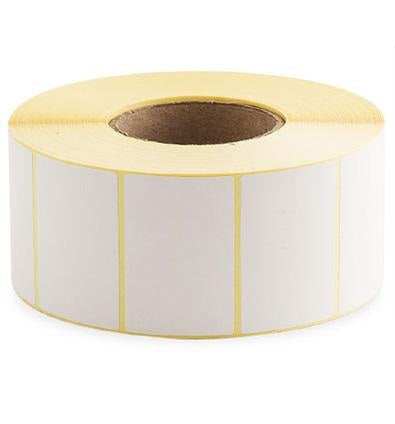
Printed Parcel Labels
Overview
These plain white thermal transfer printer labels are supplied on a roll and designed for crisp, durable printing when used with a thermal transfer ribbon. The format is ideal for high-volume operations that need consistent label presentation for identification, tracking and general product marking. With a clean white face stock, they help barcodes, text and logos stand out clearly for scanning and visual checks.
Because thermal transfer printing uses a ribbon to transfer ink onto the label surface, the result is typically more resistant to smudging and handling than direct thermal printing. That makes these labels a practical choice for workflows where labels may be touched frequently, stored for longer periods, or exposed to light abrasion during picking, packing and dispatch.
Key Features
Thermal transfer print compatibility
Designed for use with thermal transfer printers and ribbons, helping you achieve sharp, high-contrast print for barcodes and text.
Plain white label face
A neutral white surface supports clear readability and professional presentation across a wide range of label designs.
Roll format for efficient production
Roll-fed labels support fast printing and easy integration into packing benches, print-and-apply workflows and warehouse stations.
High label count per roll
A high quantity per roll reduces changeovers, helping maintain throughput in busy environments.
Versatile for identification and tracking
Suitable for many everyday labelling tasks such as product identification, shelf marking, inventory control and internal logistics.
- Thermal transfer labels for ribbon-based printing
- Plain white for clean, high-contrast output
- Roll supplied for quick loading and continuous printing
- High volume roll count to reduce downtime
- Ideal for barcodes, text, batch codes and tracking labels
Typical Uses
- Barcode labels for stock locations, bins and shelving
- Product identification labels for cartons, packs and components
- Picking and packing labels for internal warehouse workflows
- Work-in-progress (WIP) tracking and batch identification
- General purpose labelling for offices, stores and back-of-house areas
138 x 25 Plain White Thermal Transfer Printer Labels — Full Product Guide
Choosing the right thermal transfer label is about more than just the label size. Printer compatibility, ribbon selection, winding orientation and the environment the label will face all influence performance. Use the guide below to help specify and use these labels effectively in your operation.
How It Works
Thermal transfer printing uses a heated printhead to melt ink from a ribbon onto the label surface. This method is widely used for barcodes and variable data because it can produce crisp edges and strong contrast. It is also commonly selected when labels need to remain legible after handling, storage or light abrasion.
To print, you load the label roll into your printer, thread the ribbon (if required by your printer model), and set the correct media parameters in your printer driver or label software. Once configured, the printer advances the roll and prints each label in sequence.
Materials and Construction
These are plain white labels supplied on a roll for thermal transfer printing. The white face stock is intended to accept ribbon ink cleanly, supporting consistent print quality across barcodes, text and simple graphics.
For best results, match your ribbon type to your application. Wax ribbons are often used for general-purpose paper labels, while wax/resin or resin ribbons may be chosen when greater resistance is required. Your printer and label software settings (darkness/heat and speed) also affect print clarity and durability.
Printer and Ribbon Compatibility
Thermal transfer labels are used across many common industrial and desktop label printers. To ensure smooth feeding and accurate sensing, confirm the following before ordering or installing:
- Printer type: thermal transfer capable (uses ribbon)
- Media sensing: gap/notch sensing as required by your printer
- Roll configuration: core size and maximum roll diameter supported by your printer
- Winding orientation: labels wound to suit your printer’s feed path (inside/outside wound)
- Ribbon width: wide enough to cover the label width to protect the printhead and avoid edge wear
If you are unsure about any of these parameters, check your printer manual or contact your printer supplier with your model number and intended label size.
Floor Type Compatibility
These labels are primarily intended for packaging, products and inventory identification rather than floor marking. If you need labels for floors, walkways or heavy abrasion areas, a specialist floor marking solution is usually more appropriate.
Health and Safety
In normal use, label rolls are straightforward to handle. For safe and reliable operation:
- Keep hands clear of moving printer parts during printing and calibration.
- Allow the printhead to cool before cleaning or maintenance.
- Store label rolls in a clean, dry area away from direct sunlight and excessive heat.
- Use ribbons and cleaning materials recommended for your printer to reduce printhead wear.
Ideal Applications and Use Cases
These labels are a strong fit for organisations that need consistent, repeatable labelling at speed. Common environments include:
- Warehousing and distribution: bin labels, location labels, tote labels and internal tracking.
- Manufacturing: WIP labels, batch identification, component labels and process tracking.
- Retail and back-of-house: stockroom identification and internal logistics.
- Offices and facilities: asset tags and general identification where thermal transfer printing is preferred.
Maintenance, Cleaning and Care
Good media handling helps maintain print quality and reduces downtime:
- Keep rolls clean: dust and debris can reduce print clarity and cause sensor issues.
- Use correct printer settings: set label size, gap and print speed to match your roll.
- Clean the printhead: periodic cleaning helps prevent streaks and improves barcode quality.
- Check ribbon tension: correct ribbon loading reduces wrinkles and uneven print.
- Store properly: keep rolls sealed until use to minimise contamination.
Case Study (Example Workflow)
A busy packing station prints identification labels throughout the day for cartons and internal totes. By using roll-fed thermal transfer labels, the team can print on demand with consistent barcode quality. The high label count per roll helps reduce roll changes during peak periods, supporting smoother throughput and fewer interruptions.
Who is it for?
- Operations teams needing reliable barcode and text labels for daily workflows
- Warehouses and manufacturers running thermal transfer printers
- Businesses that want a clean, professional white label for identification and tracking
- High-volume users who benefit from fewer roll changeovers
Colours / Features Available
This listing is for plain white thermal transfer labels. If you require coloured labels, pre-printed designs, or specialist materials, consider a dedicated coloured or custom-printed label option.
Sizes Available
This product page may represent a configurable range. Select the required option from the size/variant choices shown on the page. If you need help matching a label size to your printer setup (including core size, winding direction or roll diameter limits), contact your printer supplier or your label provider with your printer model details.
Need help specifying the right label?
If you can share your printer make/model and what you are labelling (cartons, bins, products, etc.), you can confirm the best ribbon type and roll configuration for consistent results.