

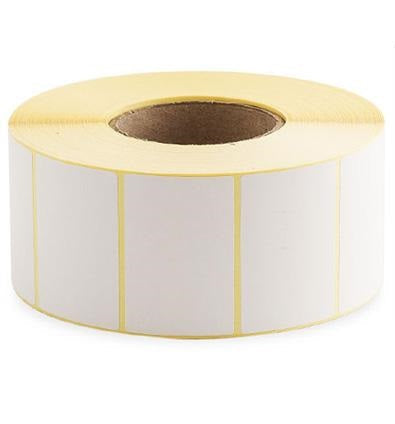
Printed Parcel Labels
Plain White Thermal Transfer Printer Labels (152 x 216) are a dependable choice for high-volume shipping and logistics workflows where clear, scannable print is essential. Designed for thermal transfer printing (using a ribbon), these labels are ideal for producing crisp text, barcodes and address information that stays legible through handling, transit and storage. This product page represents a configurable label option, so you can select the quantity that best suits your operation.
Key Features
Thermal transfer print performance:
Thermal transfer labels are printed using a ribbon, helping deliver sharp, durable results for barcodes, routing codes and address blocks. This is a popular choice when you need consistent print quality and good resistance to smudging compared with direct thermal in many environments.
Large-format label size for parcel documentation:
The 152 x 216 format provides generous space for shipping information, carrier labels, handling instructions and compliance markings—useful when layouts include multiple barcodes, logos or reference fields.
High label count per roll:
Supplied as 680 labels per roll, supporting longer print runs and fewer roll changes—helpful for busy despatch benches and automated packing lines.
Plain white face stock for maximum contrast:
A clean white label surface supports high-contrast printing for easy reading and reliable scanning.
Pressure-sensitive adhesive:
Self-adhesive labels are designed to apply quickly to cartons, mailers and packaging surfaces, improving packing speed and consistency.
Compatible with thermal transfer label printers:
Suitable for use with thermal transfer printers that accept the label size and roll configuration. Always confirm your printer’s maximum label width, roll diameter and core size requirements before ordering.
Key Features (Bullet Summary)
- Thermal transfer printing (ribbon required)
- Plain white labels for clear, high-contrast print
- 152 x 216 label format for parcel/shipping layouts
- 680 labels per roll for efficient production
- Self-adhesive for fast application to packaging
Typical Uses
- Parcel and courier shipping labels
- Warehouse despatch and routing labels
- Returns labels and RMA identification
- Carton identification and pallet documentation
- Handling labels (e.g., “Fragile”, “This Way Up”) when printed as part of a larger layout
152 x 216 Thermal Transfer Labels — Full Product Guide
Choosing the right label is about more than just dimensions. Printer compatibility, ribbon selection, adhesive performance and the surfaces you apply to all affect results. Use the guide below to help you specify the best option for your workflow.
How It Works
Thermal transfer printing uses a heated printhead to transfer ink from a ribbon onto the label surface. This method is widely used for shipping and logistics labels because it can produce crisp barcodes and text with strong edge definition. It’s also a common choice when labels may be exposed to handling, rubbing or variable temperatures during transit.
Materials and Construction
These are plain white, pressure-sensitive labels supplied on a roll for use in thermal transfer printers. The white face stock is designed to accept ribbon-based printing cleanly, supporting sharp lines and consistent barcode density. The adhesive backing enables quick application to packaging materials.
Note: Material grade and adhesive type can vary between label ranges. If you have a specific requirement (e.g., freezer-grade adhesive, removable adhesive, or a particular paper/synthetic face stock), contact us so we can confirm the best match.
Printer and Ribbon Compatibility
Thermal transfer labels require a compatible ribbon (wax, wax/resin, or resin depending on the label material and durability needs). For most paper shipping labels, wax or wax/resin ribbons are commonly used to balance print quality and cost.
- Check printer specifications: Ensure your printer supports the label width and length, and that the roll/core configuration matches your printer’s media path.
- Choose the right ribbon: Ribbon type affects durability, scratch resistance and chemical resistance. If you’re unsure, tell us your printer model and application and we can advise.
- Print settings matter: Darkness/heat and speed settings should be tuned to your ribbon and label combination for best barcode scan rates.
Floor Type Compatibility (Where These Labels Perform Best)
While labels aren’t “flooring” products, they do interact with the surfaces and environments found across warehouses and production floors. These labels are typically used in:
- Warehouse and fulfilment environments
- Goods-in and despatch areas
- Packaging stations and conveyor-fed lines
- Back-of-house retail stockrooms
If labels will be applied in cold rooms, exposed to moisture, or used on challenging surfaces (e.g., dusty cartons, textured plastics), ask about alternative adhesives or synthetic label options.
Health and Safety
- Safe handling: Store rolls in a clean, dry area to reduce contamination that can affect adhesion and print quality.
- Printer safety: Follow your printer manufacturer’s guidance when loading media and ribbons. Allow printheads to cool before cleaning.
- Workplace efficiency: Keeping labels and ribbons correctly matched reduces reprints and helps avoid mis-shipments caused by unreadable barcodes.
Ideal Applications and Use Cases
E-commerce fulfilment:
Use the large label area to include carrier-compliant layouts, customer address blocks, service icons and internal references.
3PL and distribution:
High labels-per-roll supports continuous operation with fewer interruptions—useful for peak periods and multi-shift operations.
Manufacturing despatch:
Print clear carton IDs, batch references and routing information to support traceability and scanning at each handover point.
Returns processing:
Create consistent RMA labels that speed up sorting and reduce manual keying errors.
Maintenance, Cleaning and Care
- Storage: Keep label rolls in their packaging until use to protect from dust and humidity.
- Printer upkeep: Clean the printhead and platen roller periodically (per printer guidance) to maintain barcode quality and reduce ribbon wrinkling.
- Adhesion tips: Apply to clean, dry surfaces. Press firmly across the label to ensure full contact, especially on corrugated cartons.
Case Study (Example Workflow)
A busy despatch team prints carrier labels in batches throughout the day. By using a roll format with a high label count, they reduce roll-change downtime and keep packing lines moving. Thermal transfer printing helps maintain barcode clarity even when parcels are handled repeatedly during sorting and transit, supporting faster scanning and fewer delivery exceptions.
Who is it for?
- Warehouses and fulfilment centres
- E-commerce retailers shipping daily orders
- 3PL providers and distribution hubs
- Manufacturers shipping cartons and pallets
- Any operation needing reliable barcode and address label printing
Colours / Features Available
- Plain white label face for high-contrast printing
- Thermal transfer compatible (ribbon required)
Sizes Available
This listing covers the 152 x 216 label format. If you need alternative label sizes, different roll counts, or a specific core/roll configuration for your printer, contact us and we’ll help you select the most suitable option.
Need help matching labels to your printer?
Share your printer make/model and your application (shipping, storage duration, exposure to heat/cold, etc.) and we can recommend the best label and ribbon combination.