

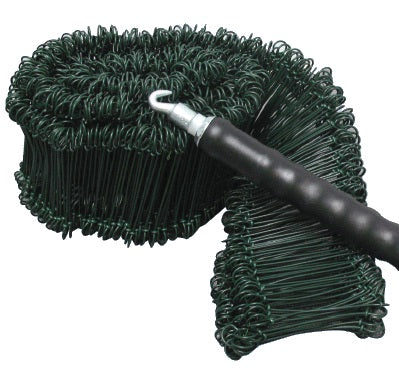
Ties (12 Twine / Ties)
White Cable Ties (Approx. 12" x 4.3mm) — Secure, Quick, Everyday Cable Management
White cable ties are a simple, dependable way to bundle, route and secure cables, hoses and lightweight components in a tidy, professional finish. This product page covers a range of pack sizes for the same style of tie, designed for fast installation with a one-way locking head that grips as you pull the tail through. Ideal for general-purpose use in homes, offices, workshops and light industrial settings, these ties help reduce clutter, improve safety by keeping leads under control, and make maintenance easier by keeping runs organised.
Because this listing may include multiple pack options, the information below focuses on the common characteristics of this type of tie rather than a single pack quantity. If you’re choosing between options, consider how many ties you’ll use per job, whether you need spares for future maintenance, and whether you prefer smaller packs for occasional use or bulk packs for regular work.
Key Features
Fast one-way locking:
Designed with a self-locking head that tightens as the tail is pulled through, helping you secure bundles quickly without tools for most everyday tasks.
General-purpose nylon construction:
Commonly manufactured from Nylon 66 / PA66 for a balance of strength, flexibility and durability in typical indoor environments.
Clean white finish:
White (often referred to as “natural”) ties suit visible installations where a neat, unobtrusive look matters—such as office cabling, retail displays and domestic wiring management.
Useful mid-width profile:
A width around 4.3mm is a popular all-round choice—substantial enough for secure bundling while still easy to thread through tight spaces.
Strong holding performance for everyday bundling:
Comparable 12" x 4.3mm PA66 ties are commonly rated around 205N (approx. 46 lbf) tensile strength, suitable for many routine bundling and securing jobs.
Good bundle capacity:
Comparable ties of this size typically accommodate bundle diameters up to around 80mm, making them practical for grouping multiple cables or small hoses.
Wide temperature suitability for standard installations:
Typical PA66 cable ties are commonly specified for use around -40°C to +85°C, covering most indoor and many sheltered outdoor applications.
Key Features (Bullet Summary)
- Self-locking, one-way head for quick tightening
- White / natural colour for a clean, professional finish
- General-purpose Nylon 66 / PA66 construction (typical for this tie type)
- Approx. 12" length with a mid-width profile around 4.3mm
- Typical tensile strength around 205N (approx. 46 lbf) for comparable ties
- Typical max bundle diameter around 80mm for comparable ties
- Typical operating range around -40°C to +85°C for PA66 ties
Typical Uses
- Bundling computer, AV and office cabling behind desks and racks
- Organising extension leads and power strips to reduce trip hazards
- Securing light hoses, tubing and wiring looms in workshops
- Temporary fastening for packaging, labelling and display work
- DIY projects, garden equipment organisation (in sheltered conditions)
- General maintenance tasks where quick, reliable bundling is needed
White Cable Ties — Full Product Guide
Cable ties are one of the most versatile consumables you can keep on hand. They’re used everywhere from IT and facilities management to DIY and light industrial maintenance because they’re fast, inexpensive and effective. This guide explains how this style of white cable tie works, what to consider when selecting a pack option, and how to use them safely and neatly.
How It Works
A cable tie consists of a flexible strap with teeth along its length and a locking head containing a pawl. When you insert the tail into the head and pull, the pawl engages the teeth and prevents the strap from loosening. This creates a secure loop around your bundle. Once tightened, the tie is generally considered single-use because loosening it without damage is difficult; for removable applications, consider releasable ties or hook-and-loop alternatives.
For best results, wrap the tie around the bundle, pull until snug (not crushing), and then trim the excess tail. A flush cut improves appearance and reduces sharp edges.
Materials and Construction
Many general-purpose white cable ties are made from Nylon 66 (PA66), a widely used engineering polymer valued for its strength-to-weight ratio and resilience. PA66 ties are typically suitable for indoor use and many sheltered environments. The white/natural colour is commonly chosen for visible installations because it blends well with light walls, trunking and office fittings.
Construction details that matter in day-to-day use include:
- Strap thickness and tooth profile: influences how smoothly the tie tightens and how securely it holds.
- Head design: affects ease of threading and locking reliability.
- Consistency: uniform moulding helps ensure predictable tightening and performance.
Choosing the Right Tie (Length, Width and Bundle Size)
Even within “white cable ties,” there are practical differences that affect performance and ease of use. When selecting, consider:
- Length: Longer ties wrap larger bundles and give more tail to pull, but can be awkward in tight spaces. A 12" class tie is a popular mid-to-long option for general bundling.
- Width: Wider ties generally offer higher tensile strength and a more robust feel. Around 4.3mm is a common all-round width for everyday tasks.
- Maximum bundle diameter: Comparable ties of this size are often listed around 80mm max bundle diameter, which is useful for grouping multiple cables or thicker looms.
If your bundle is close to the maximum diameter, consider stepping up in length to avoid over-tightening or leaving too little tail to lock securely.
Strength and Performance (What Tensile Strength Means)
Tensile strength is typically quoted as the maximum load the tie can withstand before failure under test conditions. For comparable 12" x 4.3mm PA66 ties, a typical figure is around 205N (approximately 46 lbf). In real-world use, the safe working load is lower and depends on factors such as installation method, temperature, vibration, and whether the tie is supporting weight or simply bundling.
For cable management, the goal is usually secure bundling rather than load-bearing. Avoid using standard cable ties as lifting points or for critical safety applications unless the product is specifically rated and installed accordingly.
Floor Type Compatibility
This product is not floor-specific; however, cable ties are often used as part of cable management solutions that run along skirting boards, under desks, or within trunking. If you’re routing cables across floors, consider pairing ties with appropriate cable covers or trunking to reduce trip hazards and protect cables from foot traffic.
Health and Safety
Used correctly, cable ties help improve safety by keeping cables tidy and reducing snagging and trip risks. Keep these points in mind:
- Avoid over-tightening: Excessive tension can damage cable insulation or crush delicate hoses.
- Trim tails safely: Cut the excess tail flush where possible to reduce sharp edges. Offcuts can be sharp—dispose of them promptly.
- Do not use as PPE or load-bearing fixings: Standard ties are for bundling and light securing, not for supporting people or heavy loads.
- Temperature and environment: In very hot, very cold, or UV-exposed environments, performance can change. For harsh outdoor use, consider UV-stabilised black ties where appropriate.
Ideal Applications and Use Cases
These white cable ties are well suited to a wide range of everyday tasks, including:
- IT & office fit-outs: bundling patch leads, power cords and peripheral cables for a cleaner workspace.
- Facilities maintenance: securing temporary signage, attaching lightweight items, and organising service runs.
- Retail and events: quick assembly of displays, cable dressing for lighting and AV, and tidy back-of-house organisation.
- Workshops and garages: grouping tool leads, air lines (light duty), and keeping wiring looms neat during repairs.
- Home DIY: organising entertainment systems, securing garden tool cords in storage, and general household fixes.
Maintenance, Cleaning and Care
Cable ties are typically maintenance-free once installed. For best long-term results:
- Inspect periodically: In areas with vibration or temperature swings, check ties for loosening or brittleness.
- Replace when needed: If a tie shows signs of cracking, discoloration, or reduced grip, cut and replace it.
- Keep spares: Having extra ties on hand makes future changes and additions quick and consistent.
When removing, use snips or flush cutters and take care not to nick the cable insulation beneath.
Case Study (Example Workflow)
Scenario: An office refresh requires tidying under-desk cabling for multiple workstations. Power leads, monitor cables and network patch cords are tangled and snagging on chair wheels.
Approach:
- Group cables by destination (power vs data) to simplify troubleshooting later.
- Use a few ties to create neat bundles with gentle spacing rather than one overly tight tie.
- Leave a small service loop near devices so equipment can be moved without stressing connectors.
- Trim tails flush for a clean finish and to prevent scratches when reaching under desks.
Result: A safer, cleaner installation that’s easier to maintain—devices can be swapped or serviced without cutting every tie, and the risk of snagging is reduced.
Who Is It For?
- DIY users: a practical, low-cost essential for home organisation and quick fixes.
- Electricians and installers: for general bundling and dressing of cables (where appropriate to the job specification).
- IT teams: for cable dressing in offices, comms rooms and AV setups.
- Facilities and maintenance: for routine securing and organisation tasks.
- Retail, events and exhibitions: for fast, tidy setup and teardown.
Colours / Features Available
This listing is for white cable ties. White/natural ties are commonly chosen for indoor and visible installations. If you need ties for outdoor exposure or UV resistance, black UV-stabilised ties are often preferred (where available). Some ranges also include releasable heads or marker tabs for identification—choose those options if you need frequent changes or labelling.
Sizes Available
This product page represents a specific size class (commonly described as 12" length with a width around 4.3mm) offered in different pack quantities. If you’re unsure which size you need, match the tie length to your bundle diameter and allow extra tail for comfortable tightening. For larger bundles or heavier-duty securing, consider longer and/or wider ties.
Reference notes: The typical specifications quoted above (e.g., PA66 material, ~205N tensile strength, ~80mm max bundle diameter, and ~-40°C to +85°C operating range) are based on comparable 12" x 4.3mm nylon cable ties from established suppliers and manufacturers.