

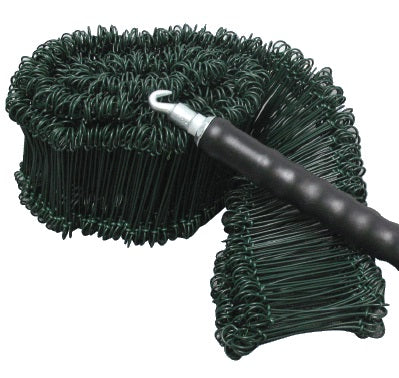
Ties (12 Twine / Ties)
4" x 2.5mm Natural Cable Ties are a simple, reliable way to bundle, secure and organise cables, small components and light packaging tasks. Finished in a natural (neutral) colour, they’re ideal where you want a tidy, unobtrusive fastening that blends into most environments. These ties are commonly used for day-to-day cable management, stockroom organisation and general-purpose fastening where a quick, one-piece solution is preferred.
Key Features
Quick, one-piece fastening: Feed the tail through the head and pull tight for a fast, secure hold. Great for repetitive tasks where speed matters.
Neat natural finish: The natural colour provides a clean, low-visibility look for cable looms, equipment racks and general organisation.
Light-duty bundling: The slim 2.5mm width is well suited to smaller bundles and lighter applications such as data leads, small power cords and accessory cables.
Everyday versatility: Useful across offices, workshops, warehouses, retail back-of-house areas and home projects for bundling, tagging and temporary securing.
Pack-friendly format: Supplied in convenient pack quantities to suit routine maintenance, installation work and stock replenishment.
- Fast to apply for efficient cable dressing and tidy routing
- Natural colour for a clean, discreet appearance
- 2.5mm width suited to smaller bundles and lighter tasks
- General-purpose for cable management, organisation and light securing
- Convenient packs for maintenance teams and installers
Typical Uses
- Cable management for IT leads, AV cables and small power cords
- Bundling and dressing cable looms in cabinets, racks and enclosures
- Organising tools, accessories and small parts in drawers and bins
- Temporary securing during assembly, testing or transport
- Light packaging tasks and general workplace organisation
4" x 2.5mm Natural Cable Ties — Full Product Guide
Natural cable ties are a staple consumable for anyone who needs a quick, consistent way to bundle and secure items. This size is commonly chosen for smaller cable bundles and tidy finishing work where a slim profile looks better and takes up less space. Below is a practical guide to help you choose, use and maintain cable ties effectively.
How It Works
A cable tie uses a simple ratchet mechanism built into the head. The tail is threaded through the head and, as you pull, the internal pawl engages with the teeth on the tail to prevent it from loosening. This creates a secure, one-direction tightening action that holds a bundle together without knots, clips or additional tools.
For best results, wrap the tie around the bundle, feed the tail through the head, and pull until snug. Avoid over-tightening on delicate cables—tight enough to hold the bundle in place, but not so tight that it compresses insulation or deforms the items being secured.
Materials and Construction
Many natural cable ties in this category are produced from nylon (often Nylon 66) for a balance of strength, flexibility and everyday durability. Nylon ties are widely used for indoor cable management and general-purpose fastening because they are lightweight, easy to handle and provide consistent performance for routine tasks.
Because product specifications can vary by manufacturer and batch, always refer to the product’s technical details (where provided) for exact material grade, operating temperature range and performance ratings.
Choosing the Right Tie (Length, Width and Bundle Size)
When selecting a cable tie, consider three practical factors:
- Length: Determines the maximum bundle diameter you can wrap. A longer tie accommodates larger bundles.
- Width: Often correlates with strength and the visual profile. A slimmer tie is ideal for smaller bundles and neat finishing.
- Bundle diameter: Think about the thickest bundle you’ll need to secure, including any protective sleeving or conduit.
This 2.5mm width is commonly used for lighter-duty bundling and smaller cable groups. If you need to secure heavier loads or larger bundles, consider a wider tie option within the same range.
Floor Type Compatibility
This product is not floor-specific. However, cable ties are frequently used in facilities management and installation work where cables run near floors, skirting, trunking or under-desk routes. If you are securing cables near walkways, ensure the finished bundle is routed safely and does not create trip hazards. Where required, use appropriate trunking, clips or cable covers in addition to ties.
Health and Safety
- Avoid over-tightening: Excessive tension can damage cable insulation or pinch delicate wires.
- Trim tails safely: Cut the excess tail flush to reduce sharp edges. Sharp cut ends can cause minor cuts or snag clothing and cables.
- Use the right tool: For frequent use, a cable tie tensioning/cutting tool can improve consistency and reduce sharp protrusions.
- Keep away from moving parts: When bundling near machinery or fans, ensure cables are secured clear of moving components.
Ideal Applications and Use Cases
These natural cable ties are a strong fit for:
- IT and comms rooms: Dressing patch leads and small cable bundles for a tidy finish.
- Electrical and maintenance teams: Quick bundling during inspection, repair and routine servicing.
- Warehousing and stockrooms: Organising small items, securing labels or grouping products for handling.
- Retail and display: Neat, discreet fastening for signage, fixtures and cable routing behind displays.
- Home and hobby use: Cable management behind TVs, desks and workbenches.
Maintenance, Cleaning and Care
Cable ties are generally low-maintenance. For best performance:
- Store in a cool, dry place away from direct sunlight and excessive heat.
- Keep packs sealed when not in use to reduce exposure to dust and moisture.
- Inspect before use if ties have been stored for long periods—discard any that appear brittle or damaged.
Case Study (Practical Example)
Scenario: A facilities team needs to tidy under-desk cabling across multiple workstations after a hardware refresh.
Approach: They group monitor, docking and peripheral leads into small bundles, leaving gentle service loops for future changes. Natural cable ties are applied at intervals to keep cables aligned and reduce snagging during cleaning.
Result: Workstations look cleaner, cables are easier to trace, and the risk of accidental unplugging is reduced. The natural finish keeps the installation discreet and professional.
Who Is It For?
- Installers and maintenance engineers who need a fast, dependable bundling solution
- IT teams managing patching, desk setups and comms cabinets
- Warehouses and stockrooms organising small items and accessories
- Workshops, makers and DIY users who want a simple, versatile tie
Colours / Features Available
This listing is for a natural colour option. Many cable tie ranges also offer other colours for identification or visual coding. If you need colour-coding for circuits, zones or departments, consider checking the wider range of ties available in your catalogue.
Sizes Available
This product page represents a specific size within a broader category of ties. Cable ties are commonly available in multiple lengths and widths to suit different bundle diameters and strength requirements. If you’re unsure which size is best, choose based on the largest bundle you need to secure and the level of tension required for the application.
Need help choosing? If you can share what you’re bundling (cable type, approximate bundle diameter, indoor/outdoor use), we can help you select the most suitable tie width and length from the available options.