

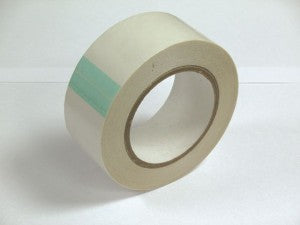
Double Sided Tape - Perm
Overview
This general-purpose double sided polypropylene (P/P) tape is designed for clean, reliable bonding where you need a neat finish and a strong hold. With adhesive on both sides, it’s ideal for joining, mounting and fixing tasks where you don’t want visible fasteners. It’s commonly used across packaging, print finishing, light assembly and general workplace maintenance—anywhere you need a quick, tidy bond between two surfaces.
Because this is a configurable product with multiple options, the information below focuses on the tape family and typical performance characteristics rather than a single fixed size. Always choose the option that best matches your application and the surfaces you’re bonding.
Key Features
- Double-sided bonding – adhesive on both faces for joining two materials without visible fixings.
- General-purpose performance – suited to everyday bonding tasks in packing, finishing and light fabrication.
- Polypropylene (P/P) carrier – a practical film carrier that helps provide a consistent bond line and easy handling.
- Neat, professional finish – helps keep presentations, displays and packaging looking clean.
- Quick application – apply by hand or with a suitable dispenser for repeatable results.
- Versatile surface bonding – commonly used on many typical workplace materials (always test first).
Typical Uses
- Mounting and fixing lightweight items
- Print finishing and display work
- General packaging and carton work
- Joining sheets, films and boards
- Temporary positioning prior to final fixing (application dependent)
- General maintenance and workplace repairs
G.P Double Sided P/P Tape — Full Product Guide
Introduction
Double sided P/P tape is a practical choice when you need a fast, clean bond between two surfaces. It’s widely used because it combines straightforward handling with dependable adhesion for everyday tasks. This guide explains how it works, where it performs best, and how to get the most consistent results.
How It Works
Double sided tape uses a carrier (in this case polypropylene film) coated with adhesive on both sides. One side is applied to the first surface, then the release liner is removed to expose the second adhesive face, allowing you to bond the second surface. This creates a hidden bond line that can look far cleaner than staples, pins, clips or visible single-sided tape.
For best results, apply firm, even pressure during application. Pressure helps the adhesive wet-out (make close contact) with the surface texture, improving bond strength and consistency.
Materials and Construction
Carrier: Polypropylene (P/P) film is commonly used as a carrier because it is stable, easy to handle, and helps maintain a consistent thickness across the bond line. The film carrier can also make the tape easier to apply neatly compared with some very soft or highly conformable constructions.
Adhesive: This product is described as a general-purpose double sided tape. General-purpose adhesives are typically selected to provide a balanced combination of tack (initial grab), shear resistance (holding power under load), and ease of use across common materials. Because surface energy and texture vary widely, it’s always recommended to test on your exact substrates before committing to volume use.
Release liner: Double sided tapes use a liner to protect the second adhesive face until you’re ready to bond. Remove the liner carefully to avoid touching the adhesive with fingers, as oils and dust can reduce performance.
Surface Compatibility (What It Bonds Well To)
General-purpose double sided P/P tape is often used on typical workplace materials such as paper, card, some plastics, foams and smooth painted surfaces. However, performance depends heavily on the exact surface finish, cleanliness, and whether the material is low surface energy (for example, certain polyolefins) or textured/porous.
Best practice:
• If the surface is dusty, oily, or damp, adhesion will be reduced.
• If the surface is textured or porous, you may need a different tape construction or a wider tape to increase contact area.
• If the item will be under constant load, heat, or humidity, test under real conditions.
Application Tips (Getting a Strong, Neat Bond)
- Prepare the surface: Ensure both surfaces are clean, dry and free from dust, grease and loose fibres.
- Apply with pressure: Press the tape down firmly along its length. A roller can help on larger areas.
- Avoid stretching: Apply smoothly without pulling the tape tight, which can cause lift or shrink-back.
- Remove liner carefully: Peel back at a low angle for control and to reduce the chance of lifting the tape.
- Align once: For best appearance, position carefully before final pressure is applied.
- Allow time where possible: Many pressure-sensitive adhesives build strength over time; if your process allows, avoid heavy handling immediately after bonding.
Health and Safety
Use in a well-ventilated area and follow good workplace hygiene. Avoid prolonged skin contact with adhesive. Keep away from children and store safely. If you are using the tape in a regulated environment (food contact, medical, etc.), confirm suitability for your specific compliance requirements before use.
Ideal Applications and Use Cases
Packaging and fulfilment: Useful for neat internal fixing, attaching inserts, or securing components where you want a clean finish.
Print and display: Commonly used for mounting, edging, and assembling display materials where appearance matters.
Light assembly: Suitable for joining lightweight parts, positioning components, or holding items during assembly steps (depending on load and surface type).
General workplace maintenance: Handy for quick fixes and tidy bonding tasks around offices, warehouses and workshops.
Maintenance, Cleaning and Care
Storage: Store in a cool, dry place away from direct sunlight and heat sources. Keep rolls in their packaging until use to reduce dust contamination.
Handling: Keep the adhesive faces clean. If the tape picks up dust or fibres, bond strength can drop significantly.
Removal: If you need to remove bonded items, peel slowly. Some surfaces may be damaged or leave residue depending on the substrate and dwell time. Test first on delicate finishes.
Case Study (Typical Workflow Example)
A small packing and dispatch team needs a consistent way to attach printed instruction cards inside cartons without staples or visible tape. By applying double sided P/P tape to the back of the card, pressing firmly, then removing the liner and positioning the card inside the carton, they achieve a neat presentation and reduce the time spent on manual fixing. The hidden bond line improves appearance and helps keep inserts securely in place during transit.
Who Is It For?
- Packaging teams looking for a clean internal fixing method
- Print finishers and display makers who need neat mounting
- Workshops and maintenance teams needing a versatile double sided tape
- Offices and facilities teams for general-purpose bonding tasks
Colours / Features Available
This listing covers a general-purpose double sided P/P tape range. Appearance can vary by option (for example, liner colour). Select the variant that matches your preferred handling and application needs.
Sizes Available
This is a configurable product with multiple options. Choose the required width and roll/pack quantity from the available variants on the product page. If you need guidance selecting the best option for your application, contact us with details of the surfaces you’re bonding and the conditions the bond will face (load, temperature, humidity, and expected service life).