

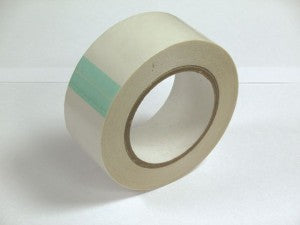
Double Sided Tape - Perm
Double Sided P/P Tape — Strong, Clean Bonding for Everyday Fixing
Double sided polypropylene (P/P) tape is a versatile, general-purpose bonding tape designed to join two surfaces quickly and neatly without visible fasteners. With adhesive on both sides of a polypropylene film carrier, it creates an instant, continuous bond line that helps keep assemblies tidy and professional-looking. This style of tape is widely used across packaging, warehousing, print and display, light manufacturing, and facilities maintenance where a fast, reliable fix is needed.
This product is a double sided P/P tape supplied on a roll format for easy dispensing and consistent application. It is commonly chosen when you want a permanent hold for mounting, splicing, joining, or fixing items such as plastics, paper and board, foams, and many smooth surfaces. Because it is a film-based tape, it can offer a thin bond line compared with foam mounting tapes, helping parts sit flush and reducing the chance of edges lifting.
Note: As with all pressure-sensitive tapes, performance depends on surface type, cleanliness, temperature, pressure applied during bonding, and dwell time. For best results, always test on your specific materials and conditions before full-scale use.
Key Features
- Double-sided adhesive for clean fixing: Bonds two surfaces together without screws, staples, or visible glue lines.
- Polypropylene film carrier: A thin, flexible film construction that supports neat, low-profile joins.
- Permanent bonding capability: Designed for applications where you want a lasting hold rather than a temporary tack.
- Fast application: Apply, press, and continue working—ideal for production lines and busy packing benches.
- Neat splicing and joining: Useful for joining sheets, rolls, and lightweight components where a smooth join is preferred.
- Roll format for control: Easy to dispense by hand or with a tape dispenser for repeatable results.
Typical Uses
- General mounting and fixing of lightweight items
- Point-of-sale and display assembly (cards, plastics, signage components)
- Splicing and joining paper, film, and board materials
- Sealing and bonding in packaging and fulfilment workflows
- Light-duty fixing tasks in offices, schools, studios, and workshops
Double Sided P/P Tape — Full Product Guide
Double sided polypropylene tape is a popular choice when you need a dependable bond with a tidy finish. Below is a practical guide to help you choose, apply, and get the best performance from this tape type.
How It Works
This tape uses a polypropylene film carrier coated on both sides with pressure-sensitive adhesive. When you press the tape onto a surface, the adhesive wets out (spreads into microscopic surface texture) and forms a bond. Applying firm, even pressure improves contact and helps the adhesive develop strength. Many permanent tapes also benefit from dwell time—bond strength can increase after application as the adhesive continues to flow and anchor.
In most workflows, you apply the tape to the first surface, remove the release liner, then bring the second surface into position and press down. This method gives you control and helps avoid mess compared with liquid adhesives.
Materials and Construction
Carrier: Polypropylene (P/P) film. Film carriers are typically chosen for their thin profile and flexibility, making them suitable for smooth, flat joins and splicing tasks.
Adhesive: This product is described as a permanent double sided tape. Comparable double-sided PP tapes on the market are commonly supplied with hotmelt or rubber-resin style adhesives for strong tack and quick grab, depending on the manufacturer and specification. Always refer to the product listing and your own testing for confirmation of suitability on your materials.
Release liner: A removable liner protects the exposed adhesive until you are ready to bond the second surface. Keeping the liner intact until the moment of assembly helps prevent contamination from dust and handling.
Surface Preparation (Best Practice)
Good preparation is the simplest way to improve tape performance:
- Clean: Remove dust, grease, and moisture. Even light fingerprints can reduce adhesion on smooth plastics and metals.
- Dry: Ensure surfaces are fully dry before application.
- Smooth and sound: Tapes bond best to stable, non-flaking surfaces. If a surface is powdery or friable, consider a different fixing method.
- Temperature: Apply at a moderate temperature where possible. Very cold surfaces can reduce initial tack.
Application Tips for a Stronger Bond
- Use firm pressure: Press along the full bond line. A roller or squeegee can help on larger areas.
- Avoid stretching: Apply the tape smoothly without pulling hard, which can cause shrink-back and edge lift.
- Allow dwell time: If your process allows, let the bond sit before applying load or stress.
- Maximise contact area: Wider bond lines and full-surface contact generally improve holding power.
- Plan alignment: Once bonded, permanent tapes can be difficult to reposition without damage.
Floor Type Compatibility
Some double-sided PP tapes are marketed for floor-related tasks such as temporary carpet laying or securing mats, but suitability depends heavily on the adhesive system and the floor finish. If you are considering use on flooring (vinyl, laminate, sealed wood, painted concrete, etc.), test first in an inconspicuous area to check for clean removal, residue, or surface marking. For long-term floor bonding, a specialist flooring tape may be more appropriate.
Health and Safety
- Cutting: Use a safety knife or dispenser where possible and cut away from the body.
- Ventilation: Pressure-sensitive tapes are generally low-odour, but good ventilation is recommended in busy work areas.
- Skin contact: Adhesive can be tacky; wash hands after use if needed.
- Workplace housekeeping: Dispose of release liners promptly to reduce slip hazards.
Ideal Applications and Use Cases
This tape type is commonly selected for:
- Display and signage assembly: Bonding lightweight panels, graphics, and components where a clean finish matters.
- Packaging and fulfilment: Fixing inserts, securing samples, attaching protective layers, or assembling presentation packs.
- Splicing: Joining film, paper, or board in light production tasks where a thin join is preferred.
- General maintenance: Quick fixes for lightweight items in offices, studios, and workshops.
Maintenance, Cleaning and Care
Store tape in a cool, dry place away from direct sunlight and heat sources. Keep rolls in their packaging until use to reduce dust contamination. If the tape is used in a production environment, consider a dispenser to keep edges clean and improve consistency.
If you need to remove bonded parts, peel slowly at a low angle where possible. Any adhesive residue can often be reduced by gentle rubbing or using an appropriate adhesive remover compatible with the surface—always test first.
Case Study (Typical Workflow Example)
Scenario: A small print and display team assembles promotional packs with a plastic cover sheet and a printed backing card.
Challenge: They need a neat bond without visible glue marks and want to speed up assembly.
Approach: They apply strips of double sided P/P tape to the backing card, remove the liner, align the plastic cover, and press firmly along the edges.
Result: A clean, consistent finish with faster throughput and less mess compared with liquid adhesive.
Who Is It For?
- Packaging and fulfilment teams needing quick, tidy bonding
- Print, POS, and display manufacturers assembling lightweight components
- Facilities and maintenance teams handling general fixing tasks
- Schools, studios, and workshops looking for a reliable double-sided tape option
Colours / Features Available
Double sided polypropylene tapes are commonly supplied in a clear/transparent film format to keep joins discreet. Exact appearance can vary by batch and specification; refer to the product images and listing details for what is supplied.
Sizes Available
This product page may include multiple options (such as different pack quantities). Select the variant that best suits your usage rate and workflow. If you require a specific width/length or a bespoke supply format, contact the team to discuss availability.
Choosing the Right Double-Sided Tape
If you are comparing options, consider:
- Surface energy: Some plastics can be harder to bond; testing is essential.
- Load and stress: For heavier items or uneven surfaces, a foam mounting tape may be better.
- Environment: Heat, cold, moisture, and UV exposure can affect performance.
- Removal needs: If you need clean removal, look for removable or low-tack alternatives.
For help selecting the best tape for your application, share the materials you are bonding, the environment (indoor/outdoor), and whether you need permanent hold or removability.