


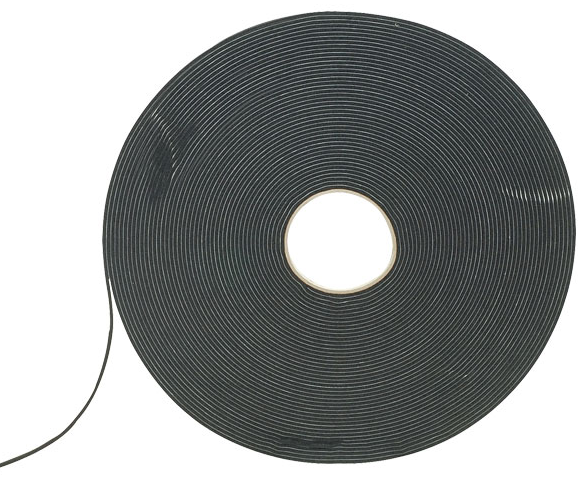
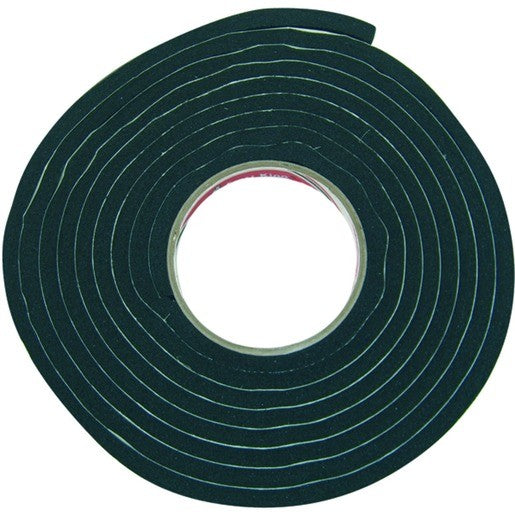
Foam S/A
30x25mm Self-Adhesive Foam Pads (1mm) — Product Overview
These self-adhesive foam pads are a simple, reliable way to add cushioning, spacing and surface protection wherever two parts meet. Designed as a neat, pre-cut pad format, they help reduce scuffs and vibration, improve presentation, and create a consistent stand-off between components during packing, storage or assembly.
Because they are supplied with a pressure-sensitive adhesive backing, application is quick: peel, position and press. The foam layer provides a small amount of compressibility, helping to absorb minor impacts and accommodate slight tolerances between surfaces.
Key Features
Self-adhesive backing:
Pressure-sensitive adhesive makes the pads fast to apply with no additional glue, tape or tools required.
Foam cushioning and spacing:
The foam layer provides light cushioning and a consistent gap between surfaces, helping to prevent rubbing and marking.
Pre-cut pad format:
Supplied as uniform pads for repeatable placement and a tidy finish—ideal when you need consistent results across multiple items.
Helps reduce vibration and noise:
Foam pads can dampen small vibrations and reduce contact noise where parts would otherwise touch.
Clean, professional presentation:
Useful for protecting visible surfaces (e.g., painted, coated or polished areas) during handling and transit.
- Quick application with peel-and-stick convenience
- Light cushioning to help protect against scuffs and minor knocks
- Consistent spacing for repeatable packing and assembly
- Neat finish compared with cutting foam or tape by hand
Typical Uses
- Protecting surfaces in cartons, cases and returnable packaging
- Creating a small stand-off between stacked or nested components
- Reducing rub marks between parts during transport
- Light-duty cushioning for delicate edges and contact points
- General workshop, warehouse and production-line applications
30x25mm Self-Adhesive Foam Pads (1mm) — Full Product Guide
Self-adhesive foam pads are widely used across packing, manufacturing and maintenance because they solve several common problems at once: they protect surfaces, reduce movement, and make packing more repeatable. This guide explains what these pads are best used for, how to apply them, and what to consider when selecting and storing them.
How It Works
Each pad combines two functional layers:
- Foam layer: provides compressibility and a soft contact surface. This helps absorb small shocks and reduces abrasion where two items might otherwise rub.
- Pressure-sensitive adhesive (PSA): bonds the pad to a clean, dry surface when pressed into place. Once applied, the pad stays positioned so protection is consistent from item to item.
In packaging, the foam acts as a buffer at key contact points—corners, edges, or flat faces—helping to prevent cosmetic damage and reducing the chance of movement inside the pack.
Materials and Construction
These pads are supplied as foam with a self-adhesive backing. Foam pads are commonly chosen because they are lightweight, easy to handle, and provide a forgiving interface between surfaces. The adhesive backing is designed for quick, practical bonding in everyday packing and handling environments.
Note: As foam and adhesive performance can vary by surface type and conditions, it’s good practice to test on your specific material if you are unsure.
Surface / Substrate Compatibility
Self-adhesive foam pads typically adhere best to:
- Clean, smooth, dry surfaces
- Non-porous materials where the adhesive can make full contact
They may be less effective on dusty, oily, heavily textured, or low-surface-energy plastics. For best results, wipe the application area to remove dust and residues and allow it to dry before applying the pad.
Health and Safety
- Apply in a well-ventilated area if you are cleaning surfaces with solvents prior to application.
- Avoid contact with eyes and prolonged skin contact with any cleaning agents used.
- Keep pads and release liners away from children and dispose of liners responsibly to reduce slip hazards.
Ideal Applications and Use Cases
Packaging protection: Place pads at contact points inside cartons to prevent scuffing and to stabilise items.
Component separation: Use as spacers between stacked parts to reduce rub marks and improve presentation on arrival.
Light-duty cushioning: Add a small amount of compressible support under edges, corners, or protrusions.
Workshop and maintenance: Useful for quick fixes where a soft buffer is needed between two surfaces.
Maintenance, Cleaning and Care
- Before application: Ensure the surface is clean and dry. Removing dust and oils improves adhesion.
- During application: Apply firm, even pressure across the pad to help the adhesive wet-out onto the surface.
- After application: Avoid repositioning once placed; if a pad is removed, adhesion may be reduced if re-applied.
- Storage: Store in a cool, dry place away from direct sunlight and excessive heat to help preserve adhesive performance.
Case Study (Example Workflow)
A packing team shipping coated metal components notices light rub marks where parts touch inside the carton. By adding self-adhesive foam pads at consistent contact points, they create a small stand-off between surfaces. The pads stay in place during handling, reducing movement and helping to prevent cosmetic damage. The result is a more repeatable packing process and improved presentation on delivery.
Who is it for?
- Warehouses and fulfilment teams needing quick, repeatable protection
- Manufacturers packing components with sensitive finishes
- Maintenance teams needing a fast cushioning/spacer solution
- Anyone looking to reduce scuffs, vibration, or contact noise between parts
Colours / Features Available
This product page may represent a configurable range. Please refer to the options shown on the page for the available variants and pack quantities.
Sizes Available
This listing covers a specific pad size and thickness as shown in the product title. If multiple variants are available, select the required option from the product choices on the page.