

Tape Dispencers
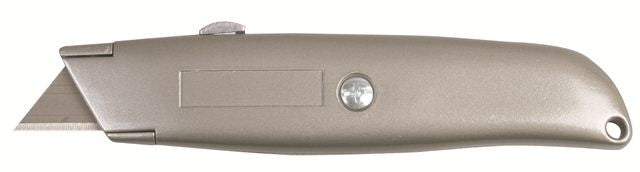
Snap Off Knives — Quick Overview
Snap-off knives (also known as snap knives or segmented-blade utility knives) are a practical cutting tool for everyday packing, warehouse and general trade tasks. Designed around a segmented blade, they let you refresh the cutting edge quickly by snapping off a used section, helping you maintain a sharp edge without changing the whole blade. This makes them a popular choice for opening cartons, trimming packaging materials and handling routine cutting jobs where a clean, controlled cut matters.
This product page covers Sapphire’s snap-off knives range (often supplied in different pack quantities). Because configurable listings can include multiple options, the guidance below focuses on general use and selection rather than a single fixed size or specification.
Key Features
Segmented snap-off blade:
When the tip becomes dull, you can snap off the used segment to expose a fresh cutting edge. This is especially useful for repetitive packaging work where blades wear quickly.
Retractable blade control:
Many snap-off knives use a sliding mechanism to extend and retract the blade, helping you set an appropriate cutting depth for the material and store the knife safely between tasks.
Locking mechanism for stability:
Common designs include wheel locks or auto-lock sliders that help keep the blade in position during cutting, improving control and reducing the chance of the blade slipping back unexpectedly.
Comfortable, practical handle:
Snap-off knives are typically shaped for a secure grip, supporting repeated use in packing benches, dispatch areas and maintenance kits.
Versatile cutting performance:
Ideal for light-to-medium duty cutting across a wide range of packaging materials such as cardboard, paper, shrink film and strapping (where appropriate).
Key Features (Bullet Summary)
- Segmented blade design for quick edge renewal
- Retractable blade for safer storage and controlled cutting depth
- Locking slider/wheel lock style mechanisms (varies by model)
- Suitable for packing benches, warehouses and general trade use
- Works well for cartons, paper, film and general packaging materials
Typical Uses
- Carton opening: cleanly slicing tape and opening boxes in goods-in and dispatch.
- Packaging preparation: trimming paper, kraft wrap and protective materials.
- Film and wrap: cutting stretch/shrink film and bagging materials with controlled blade extension.
- General workshop tasks: light cutting jobs where a sharp, precise edge is helpful.
- Retail and facilities: opening deliveries, breaking down cartons and routine maintenance cutting.
Snap Off Knives — Full Product Guide
Snap-off knives are designed to be simple, reliable and easy to keep sharp. The segmented blade is the defining feature: instead of continuing to work with a dull tip (which can increase effort and reduce control), you refresh the edge by snapping off the worn segment. This can improve cutting quality and help reduce tearing or ragged edges on packaging materials.
How It Works
A snap-off knife uses a long, segmented blade that advances through the handle via a slider. You extend only as much blade as needed for the task. When the cutting edge becomes blunt, you retract the blade, expose the scored segment line and snap off the used portion to reveal a new sharp tip. Many knives include a built-in snapper or a removable end cap designed to help with safe snapping (design varies by model).
Practical tip: For most packaging tasks, extend the blade only slightly beyond the thickness of the material. This helps maintain control and reduces the risk of cutting into contents.
Materials and Construction
Snap-off knives are typically built with a rigid handle (often plastic or metal) and a steel segmented blade. The handle houses the blade track and locking mechanism. Some designs prioritise lightweight handling for frequent use, while others are more robust for tougher materials. Because this listing may cover multiple variants, handle style and blade width can vary depending on the option selected.
Floor Type Compatibility
While floor type isn’t directly relevant to a hand tool, the working environment is. In warehouses and packing areas, dropped blades can be a hazard. Using a retractable knife, snapping segments carefully, and disposing of used blade pieces in a sharps container helps keep work areas safer—especially on hard floors where small metal segments can be difficult to spot.
Health and Safety
Cutting tools are essential, but they require safe handling. Follow your site’s safety procedures and consider these general best practices:
- Use minimal blade extension: extend only what you need for the cut.
- Cut away from the body: maintain a stable stance and clear cutting path.
- Keep hands clear: avoid holding materials in a way that places fingers in the cutting line.
- Lock and retract: retract the blade fully when not in use and engage any lock where applicable.
- Snap segments safely: use the intended snapping method and dispose of segments immediately.
- Replace when damaged: if the handle, slider or lock is worn or cracked, replace the knife.
Important: Always wear appropriate PPE for your environment (for example, cut-resistant gloves where required) and follow local regulations and workplace risk assessments.
Ideal Applications and Use Cases
Snap-off knives are a strong choice when you need a consistently sharp edge and quick blade refresh. They are commonly used for:
- Dispatch and fulfilment: opening inbound cartons, trimming labels and cutting packing materials.
- Warehousing: breaking down boxes, cutting strapping (where safe and appropriate) and general stock handling tasks.
- Printing and signage: trimming paper, card and some sheet materials (depending on thickness and blade type).
- Facilities and maintenance: light cutting tasks around the workplace.
If your application involves frequent heavy cutting through thick board or dense materials, you may prefer a heavier-duty utility knife design or a safety knife designed specifically for that purpose. For routine packaging work, snap-off knives are often an efficient, cost-effective option.
Maintenance, Cleaning and Care
Keeping a snap-off knife in good condition helps maintain performance and safety:
- Keep the blade track clean: dust, adhesive residue and cardboard fibres can build up. Wipe the knife down regularly.
- Check the lock: ensure the slider or wheel lock holds the blade securely before starting work.
- Store safely: retract the blade fully and store in a toolbox, drawer or designated station.
- Dispose of segments properly: use a sharps container or a dedicated blade disposal unit.
For adhesive-heavy tasks (for example, cutting tape repeatedly), residue can accumulate on the blade. A clean blade can cut more smoothly and reduce snagging.
Case Study (Typical Packing Bench Scenario)
Scenario: A small dispatch team processes daily orders and breaks down incoming cartons. Over time, dull blades lead to more force being used, slower cutting and occasional tearing of packaging materials.
Approach: Introducing snap-off knives at each packing station allows staff to refresh the cutting edge quickly by snapping off a segment when performance drops. Combined with a simple rule—minimal blade extension and immediate disposal of snapped segments—the team maintains cleaner cuts and more consistent packing speed.
Outcome: More predictable cutting performance, fewer interruptions to change blades, and improved control during routine carton opening.
Who Is It For?
- Warehouses and fulfilment teams needing a dependable everyday cutter.
- Retail back-of-house staff opening deliveries and breaking down cartons.
- Trades and maintenance for general light cutting tasks.
- Offices and print rooms for trimming paper and packaging materials.
Colours / Features Available
Depending on the variant selected, snap-off knives may come in different handle styles and colours, and may include different locking mechanisms (such as wheel lock or auto-lock). If you are standardising across a site, consider choosing one style so training and safe-use procedures remain consistent.
Sizes Available
This listing may include multiple options (for example, different pack quantities). Where applicable, select the option that best suits your usage rate—single units for occasional use, or larger packs for busy packing benches and warehouse teams.
Choosing the Right Snap-Off Knife
If you’re deciding between options, consider:
- Frequency of use: higher throughput areas benefit from keeping spare knives available.
- Material type: thicker or tougher materials may require a sturdier handle and more secure lock.
- Safety requirements: some workplaces prefer specific locking styles or dedicated safety knives.
- Standardisation: using the same knife type across stations can simplify training and reduce misuse.
Frequently Asked Questions
What does “snap-off” mean?
It refers to the segmented blade design. When the tip becomes dull, you snap off the used segment along the scored line to expose a fresh sharp edge.
Are snap-off knives suitable for cutting cardboard?
Yes—snap-off knives are commonly used for carton opening and general packaging tasks. For very thick board or heavy-duty cutting, consider a heavier-duty knife style.
How do I dispose of snapped blade segments?
Use a sharps container or a dedicated blade disposal unit. Do not leave segments loose in bins where they can injure staff.
Do all snap-off knives have the same lock?
No. Locking mechanisms vary by model (for example, wheel lock or auto-lock). Always check the knife holds the blade securely before use.
Note: Product options, pack quantities and exact specifications depend on the variant selected on this page.