

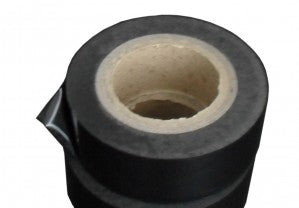
Low Tac Protection Tape
Black Low-Tac Protection Tape — Surface Protection for Decorating, Refurb & Fit-Out
Low-tack protection tape is designed for temporary masking and surface protection where you need a secure hold during the job, but a clean, low-residue removal afterwards. This black low-tac protection tape is commonly used to help protect finished surfaces during decorating, refurbishment, maintenance and installation work. It’s a practical choice when you want a tape that helps guard against scuffs, light abrasion, dust and paint splatter while remaining gentle on many common substrates.
Because product pages like this can cover multiple pack quantities and options, the guidance below focuses on how low-tack protection tapes are typically selected and used, rather than tying the advice to one exact configuration.
Key Features
Low-tack adhesion for safer removal
Designed to reduce the risk of pulling up delicate finishes compared with higher-tack tapes, making it suitable for temporary protection tasks where clean removal matters.
Surface protection during works
Helps shield surfaces from incidental contact, light abrasion, dust and overspray during decorating, maintenance and fit-out.
High-visibility black finish
The black colour makes protected areas easy to identify on site, supporting clearer demarcation of “do not touch” zones and protected edges.
Convenient roll format
Supplied on a roll for quick application along edges, trims and panels, with the ability to tear or cut to length as needed.
Versatile for trade and facilities use
Commonly chosen by decorators, shopfitters, maintenance teams and installers who need a dependable, temporary protection tape.
- Low-tack adhesion to support clean removal after the job
- Protects surfaces from scuffs, dust and paint splatter during works
- Black colour for easy visibility and clear protection marking
- Roll format for fast application and simple handling
- Suitable for many temporary protection tasks in decorating and fit-out
Typical Uses
- Temporary protection of trims, frames and edges during decorating
- Masking and protection during refurbishment and maintenance work
- Protecting finished surfaces during installation and shopfitting
- General site protection where a low-tack tape is preferred
Black Low-Tac Protection Tape — Full Product Guide
Choosing the right protection tape is about balancing hold, removability and surface compatibility. Low-tack protection tapes are typically selected when you need the tape to stay in place during the task, but you also want to minimise the chance of residue or surface disturbance when it’s time to remove it. The sections below explain how to get the best results and what to consider before use.
How It Works
Low-tack protection tape uses an adhesive system intended to provide a lighter bond than standard high-tack tapes. In practice, this means it can be applied to help protect a surface during work, then removed more easily afterwards. The tape acts as a sacrificial barrier: it takes the knocks, catches splashes and helps prevent incidental marking of the underlying surface.
As with all pressure-sensitive tapes, performance depends on good contact with the surface. Applying firm, even pressure along the tape helps it conform and adhere consistently. Removal is typically easiest when done slowly and steadily, peeling back on itself at a low angle.
Materials and Construction
Protection tapes are generally made from a flexible backing film or paper combined with a pressure-sensitive adhesive. The backing provides the physical barrier and helps the tape resist tearing during application, while the adhesive provides the temporary bond to the substrate.
Because different manufacturers use different backing and adhesive combinations, it’s always best practice to test on an inconspicuous area first—especially on delicate finishes, freshly painted surfaces, or substrates that may be sensitive to adhesives.
Surface & Substrate Compatibility
Low-tack protection tape is commonly used on a wide range of surfaces encountered in decorating and fit-out. However, compatibility can vary depending on the surface finish, age, cleanliness and temperature. For best results:
- Clean first: Remove dust, grease and moisture. Contamination reduces adhesion and can lead to lifting.
- Test before full application: Particularly on delicate coatings, veneers, plastics, laminates and painted surfaces.
- Consider surface age: Fresh paint and newly applied coatings may be more vulnerable to marking or lifting.
- Mind textured surfaces: Heavy texture reduces contact area and may reduce hold.
If you need stronger hold on rough or dusty substrates, a higher-tack tape or a different protection method may be more appropriate. If you need extremely gentle removal, consider specialist “delicate surface” masking solutions and always test first.
Floor Type Compatibility
Protection tapes are often used around flooring edges, thresholds and skirting during decorating and refurbishment. Floor compatibility depends on the finish and how sensitive it is to adhesives. When using on or near floors:
- Hard floors (sealed): Often suitable for temporary edge protection, but test first on varnished or specialty finishes.
- Laminate/LVT: Test first; some finishes can be sensitive to adhesives or prolonged dwell time.
- Natural stone/porous surfaces: Avoid applying directly to porous stone without testing; adhesives can interact with sealants or leave marks.
- Carpet: Not typically ideal for clean removal; fibres can reduce adhesion and complicate removal.
Where the tape is used as part of a broader protection system (for example, securing protective sheeting or edge guards), ensure the tape is applied to a compatible surface and removed within a sensible timeframe.
Health and Safety
Protection tapes are straightforward to use, but good site practice helps avoid issues:
- Trip awareness: If tape is used to secure coverings, ensure edges are well-bonded and not creating raised lips.
- Ventilation: In enclosed areas, maintain normal ventilation—especially if using multiple products (paints, solvents, cleaners) alongside tape.
- Skin contact: If you have sensitive skin, consider gloves during prolonged use.
- Safe cutting: Use a safety knife or scissors and cut away from the body.
Always follow your site’s risk assessment and method statement (RAMS) and any relevant product guidance for the surfaces you are protecting.
Ideal Applications and Use Cases
This type of low-tack protection tape is commonly chosen for:
- Decorating and painting: Protecting adjacent surfaces from splashes and incidental contact.
- Refurbishment: Temporary protection of trims, frames, panels and fixtures during works.
- Shopfitting and installation: Helping protect finished surfaces during handling and fitting.
- Facilities maintenance: Quick, temporary protection during repairs and routine maintenance.
If your job involves frequent repositioning, low-tack tapes can be particularly useful because they are typically easier to lift and reapply than higher-tack alternatives (though repeated repositioning can reduce adhesion as dust accumulates on the adhesive).
Maintenance, Cleaning and Care
Protection tape itself doesn’t require maintenance, but correct handling improves performance:
- Store correctly: Keep rolls in a cool, dry place away from direct sunlight and heat sources.
- Apply to dry surfaces: Moisture can reduce adhesion and lead to lifting.
- Avoid excessive dwell time: For best removability, remove once the protection task is complete rather than leaving in place unnecessarily long.
- Remove carefully: Peel slowly at a low angle. If resistance increases, pause and adjust the angle rather than pulling sharply.
If any residue is observed, stop and assess the surface. Use a surface-appropriate cleaner and test in an inconspicuous area first. Avoid aggressive solvents unless you are certain they are compatible with the substrate.
Case Study (Typical Example)
Scenario: A maintenance team is repainting a corridor and needs to protect door frames and adjacent finished panels from scuffs and paint splatter.
Approach: The team cleans the surfaces, applies low-tack protection tape along the edges and contact points, and presses down firmly to ensure consistent adhesion. During the work, the tape acts as a barrier against incidental contact and overspray.
Outcome: Once painting is complete and the area is ready for handover, the tape is removed slowly and carefully, helping to reduce the risk of marking the underlying finish compared with a higher-tack tape.
This is a representative use case to illustrate typical application; always test on your specific surfaces and conditions.
Who Is It For?
- Decorators and painting contractors
- Shopfitters and installers
- Facilities and maintenance teams
- Refurbishment and fit-out contractors
- DIY users who want temporary protection with easier removal
Colours / Features Available
This listing is for a black low-tack protection tape. Black is often selected for visibility and clear identification of protected areas. If you require alternative colours or different tack levels for specific substrates, consider comparing specialist protection tapes across the range.
Sizes Available
Protection tapes are commonly offered in multiple widths and pack quantities. Select the option that best suits your application:
- Wider widths can cover more area quickly and are useful for broader edge protection.
- Narrower widths can be easier to apply around tight details and curves.
- Pack quantities help match your usage rate—single rolls for small jobs or multi-packs for ongoing work.
If you’re unsure which option is best, consider the surface area you need to protect, the complexity of the edges, and how long the tape needs to remain in place.
Selection Tips (Getting the Best Results)
- Do a quick test patch on the actual surface and leave it for the expected duration before committing.
- Apply with consistent pressure to avoid lifting at edges.
- Avoid stretching the tape during application; stretched tape can shrink back and lift.
- Remove promptly once the protection task is complete.
- Consider environment: temperature swings, dust and moisture can affect adhesion and removability.
Need help choosing? If you can share the surface type (painted wall, uPVC, aluminium, laminate, glass, etc.) and how long the tape needs to stay in place, we can help you select the most suitable protection tape for the job.