

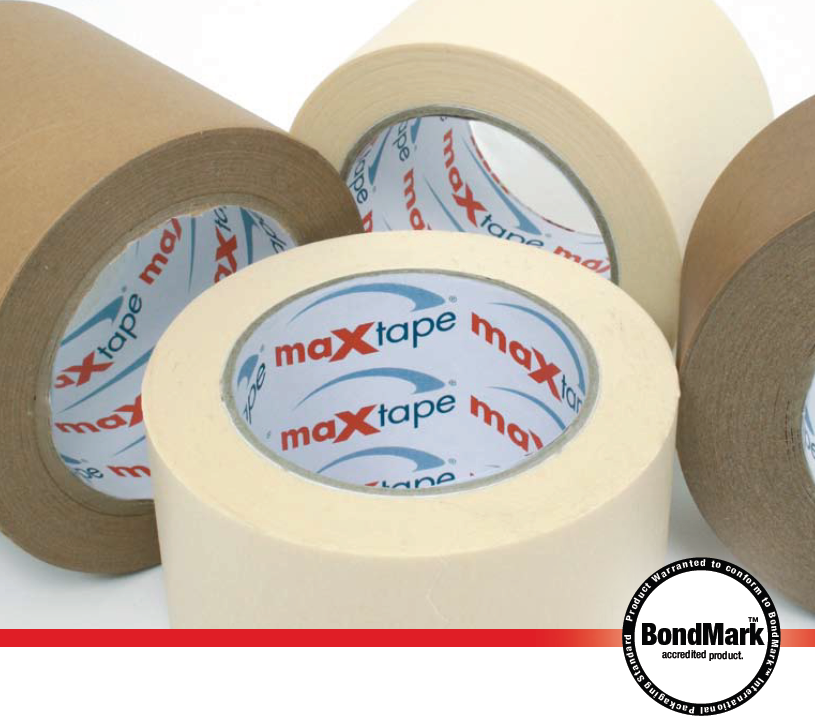
GP (General Purpose) Masking X 50M
General Purpose Masking Tape — Overview
General purpose masking tape is a versatile, easy-to-use paper tape designed for everyday masking, bundling and temporary holding tasks. It’s commonly chosen for decorating and light-duty protection work because it tears by hand, conforms to gentle curves, and helps create clean paint edges when applied correctly. This product page represents a general-purpose masking tape option within the Sapphire range, supplied on a roll format suitable for quick application in workshops, maintenance teams, decorators’ kits and general site use.
Because this is a configurable listing, the exact pack quantity and options may vary by selection. The core purpose remains the same: a dependable, general-purpose masking tape for short-term indoor masking and protection tasks.
Key Features
Everyday masking performance:
Designed for general masking tasks such as protecting adjacent surfaces during painting and decorating, or covering areas during light-duty finishing work.
Hand-tear convenience:
Paper masking tapes are typically easy to tear by hand, helping you work quickly without needing scissors for most applications.
Conforms to edges and gentle curves:
The paper backing helps the tape sit neatly along trims, frames and edges, supporting tidy lines and controlled coverage.
Quick to apply and remove:
General-purpose masking tapes are intended for temporary use and are commonly removed after the task is complete to reveal the protected surface.
Multi-trade utility:
Useful across decorating, facilities maintenance, light workshop tasks, packaging and general site marking where a temporary tape is preferred.
- General-purpose masking for decorating and light protection
- Paper tape format that’s typically easy to tear and handle
- Neat edge control when applied to clean, dry surfaces
- Temporary hold for bundling, labelling and short-term fixing
- Workshop & site ready for everyday tasks
Typical Uses
- Masking skirting boards, trims, frames and adjacent surfaces during painting
- Holding protective paper or film in place for short periods
- Temporary labelling and identification (where a removable tape is preferred)
- Light bundling and organising of cables, parts or components
- General workshop and maintenance tasks requiring a quick, temporary tape
G.P Masking Tape — Full Product Guide
General purpose (G.P) masking tape is a staple consumable for decorators and maintenance teams because it balances ease of use with practical performance. It is intended for short-term masking and protection rather than long-term bonding. Used correctly, it helps you work faster, keep surfaces cleaner, and achieve more controlled results when painting or carrying out light finishing tasks.
How It Works
Masking tape works by providing a temporary barrier between the area you want to protect and the area you want to treat (for example, paint). You apply the tape along an edge or over a surface, press it down to ensure consistent contact, then carry out your work. Once finished (and ideally before coatings fully cure), you remove the tape to reveal a cleaner edge and a protected surface beneath.
For best results, apply the tape to a clean, dry, dust-free surface. Press down the edge that will form the paint line to reduce the chance of paint bleed. If you are masking over textured surfaces, be aware that any tape may allow some seepage into texture; careful burnishing and appropriate paint technique can help.
Materials and Construction
General-purpose masking tapes are commonly made with a paper backing designed to be flexible and easy to handle. The paper construction supports hand tearing and helps the tape conform to edges and gentle curves. The adhesive is formulated for temporary adhesion—strong enough to stay in place during the job, but intended to be removable after short-term use.
Because this listing may cover multiple options, always check the selected variant details for pack quantity and any specific notes shown on the page.
Surface & Substrate Compatibility
General-purpose masking tape is typically used on common indoor surfaces such as painted walls, woodwork, glass and metal where temporary masking is required. Performance can vary depending on surface condition and coating type. Newly painted or delicate surfaces may be more prone to lifting or marking; in those cases, test a small area first and consider a lower-tack or specialist tape if needed.
- Best practice: test on an inconspicuous area before full application
- Surface prep: remove dust and moisture for improved adhesion and cleaner lines
- Removal timing: remove promptly after the task to reduce the risk of residue
Health and Safety
Masking tape is generally straightforward to use, but safe working practices still apply. Keep rolls away from heat sources and store in a dry environment. When using tape during painting or finishing, follow the safety guidance for the coatings and solvents involved, ensure adequate ventilation, and use appropriate PPE as required by your process.
Ideal Applications and Use Cases
This general-purpose masking tape is suited to everyday tasks where you need a temporary, easy-to-handle tape:
- Decorating: masking edges, trims and fixtures for cleaner paint lines
- Facilities maintenance: quick protection and temporary holding during repairs
- Workshops: light-duty bundling, temporary marking and organisation
- Packaging support: short-term holding of protective materials (not a replacement for carton sealing tape)
Maintenance, Cleaning and Care
Masking tape itself does not require maintenance, but correct storage and handling helps preserve performance:
- Store in a cool, dry place away from direct sunlight
- Keep rolls in original packaging where possible to reduce dust contamination
- Avoid prolonged exposure to heat, which can affect adhesive behaviour
- Apply to clean, dry surfaces for more consistent adhesion and removal
Case Study (Typical Workflow Example)
Scenario: A facilities team needs to repaint a small office area and protect trims and fixtures.
- Surfaces are wiped down to remove dust and allowed to dry.
- Masking tape is applied along skirting boards and around frames, with the edge pressed down firmly.
- Painting is completed, and the tape is removed carefully at a shallow angle once the paint is touch-dry.
- Result: reduced clean-up time and a neater edge compared with freehand painting.
This is a representative example of how general-purpose masking tape is commonly used; actual results depend on surface condition, paint type and application technique.
Who Is It For?
- Decorators and painters needing a reliable everyday masking tape
- Facilities and maintenance teams carrying out routine repairs and touch-ups
- Workshops and trade counters stocking general consumables
- DIY users wanting a straightforward tape for home projects
Colours / Features Available
General-purpose masking tape is commonly supplied in a natural paper colour. If this product has multiple options (such as different widths, pack quantities or related variants), select the required option on the page.
Sizes Available
This product listing may include multiple size or pack options depending on the variant selected. Choose the option that best suits your application and usage rate. If you require a specific format for ongoing use, consider ordering in larger pack quantities where available.
Need help choosing?
If you’re unsure whether a general-purpose masking tape is suitable for your surface or process, test a small area first and consider whether you need a specialist tape for delicate surfaces, higher temperatures, or extended dwell times.