

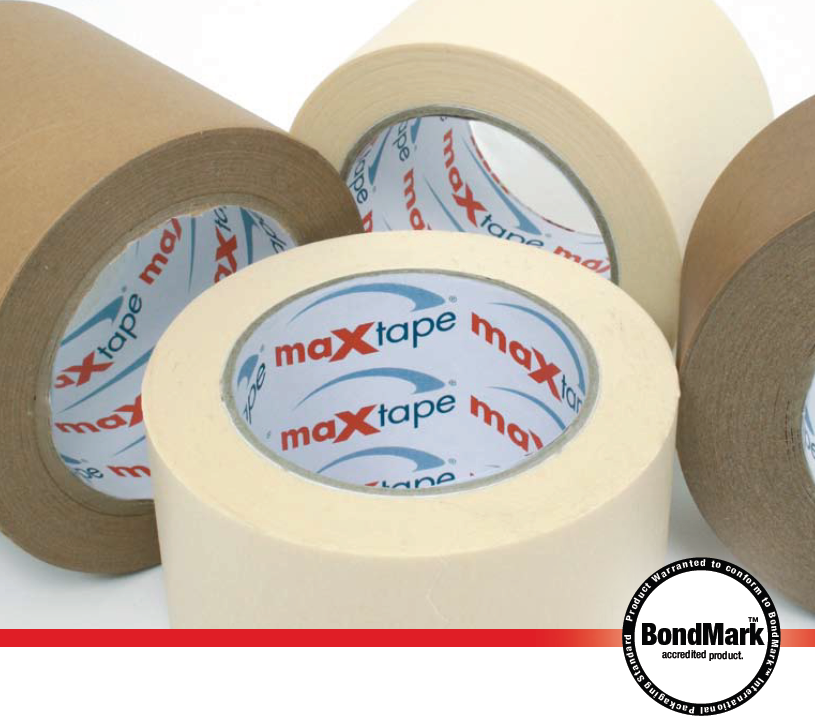
GP (General Purpose) Masking X 50M
General Purpose Masking Tape — Overview
General purpose masking tape is a versatile, easy-to-use paper masking tape designed to help you achieve clean paint lines, protect adjacent surfaces, and hold lightweight materials temporarily during decorating, maintenance, and general workshop tasks. It is commonly chosen for everyday masking jobs where you want a tape that tears easily by hand, conforms well to gentle curves, and removes cleanly after short-term use.
This product is supplied as a general purpose masking tape in a convenient roll format, suitable for a wide range of trade and DIY applications including painting and decorating, light bundling, temporary holding, and surface protection.
Key Features
General-purpose performance:
Designed for everyday masking and protection tasks where a reliable, economical tape is required.
Easy hand tear:
Paper masking tapes are typically easy to tear by hand, helping you work quickly without needing scissors for most applications.
Conformable paper backing:
The paper construction helps the tape sit neatly on flat surfaces and follow gentle contours, corners, and edges.
Helps create clean paint edges:
When applied correctly to a clean, dry surface and pressed down firmly along the edge, masking tape can help reduce paint bleed and improve line definition.
Temporary hold and protection:
Useful for short-term holding, bundling, labelling, and protecting surfaces from light splashes, dust, and minor scuffs during work.
- General purpose masking tape for decorating and maintenance
- Paper backing for easy handling and conformability
- Hand-tearable for fast application
- Multi-use for masking, protection, and temporary holding
Typical Uses
- Masking skirting boards, architraves, window frames, and trim during painting
- Protecting edges and adjacent surfaces from light paint splatter
- Holding dust sheets, protective films, or paper in place temporarily
- Light bundling of cables, small components, or packaging materials
- Temporary labelling and identification in workshops and stores
General Purpose Masking Tape — Full Product Guide
Masking tape is one of the most useful consumables in decorating and general maintenance because it combines quick application with clean removal for short-term tasks. A general purpose masking tape is intended for everyday jobs rather than specialist requirements such as high-temperature paint booths, extended outdoor exposure, or ultra-sharp “fine line” detailing. If you need a dependable tape for routine masking and protection, general purpose masking tape is often the most cost-effective choice.
How It Works
Masking tape works by using a pressure-sensitive adhesive on a paper backing. You apply the tape to the surface you want to protect or to define a paint edge. The adhesive bonds when pressed down, helping the tape stay in place during brushing or rolling. After the work is complete, the tape is removed to reveal the protected surface or the paint line.
For best results, the key is good surface preparation and correct application technique. Even a high-quality tape can allow paint to creep underneath if the surface is dusty, damp, or textured, or if the tape edge is not pressed down firmly.
Materials and Construction
Paper backing:
General purpose masking tapes typically use a crepe paper backing. This gives the tape flexibility and makes it easy to tear by hand. The slight stretch and conformability help it sit neatly around corners and along edges.
Pressure-sensitive adhesive:
The adhesive is designed for temporary bonding. It should provide enough tack to stay in place during use while still allowing removal after short-term application. As with all masking tapes, removal performance depends on surface type, dwell time, temperature, and exposure to sunlight or moisture.
Surface and Substrate Compatibility
General purpose masking tape is commonly used on many typical decorating surfaces, including painted walls, woodwork, metal trim, and plastics. However, because surfaces and coatings vary widely, it’s good practice to test on an inconspicuous area first—especially on delicate paints, freshly painted surfaces, wallpaper, varnished timber, or powder-coated finishes.
Important: Ensure the surface is clean, dry, and free from dust, grease, and loose material before application. Contamination reduces adhesion and increases the chance of paint bleed.
Health and Safety
- Use in a well-ventilated area when painting or using solvents/cleaners nearby.
- Keep away from open flames and high heat sources, particularly when used near solvent-based coatings.
- Store rolls in a cool, dry place to help maintain adhesive performance.
- Dispose of used tape responsibly, especially if contaminated with paint or chemicals.
Ideal Applications and Use Cases
Painting and decorating:
Use to mask edges between walls and ceilings, protect trim, and cover fixtures. It’s also useful for holding masking paper in place when protecting larger areas.
General maintenance:
Handy for temporary holding, marking, and bundling during repairs, installations, and workshop tasks.
Packaging and light-duty securing:
While not a replacement for parcel tape, general purpose masking tape can be useful for temporary closure, grouping items, or protecting surfaces during transit inside a box.
Maintenance, Cleaning and Care
Masking tape is a consumable product, but correct handling improves results:
- Keep the roll clean: Dust and debris on the tape edge can reduce adhesion and cause uneven paint lines.
- Seal the edge: After applying, run a finger or a plastic applicator along the edge to ensure full contact.
- Remove at the right time: For many painting tasks, removing tape while the paint is still slightly wet can help reduce bridging and tearing. If paint has fully cured, score lightly along the edge with a sharp blade before removal to help prevent lifting.
- Peel back slowly: Remove at a low angle (back on itself) to reduce stress on the surface.
Case Study (Practical Example)
Scenario: A decorator needs to repaint a room and protect the skirting boards and door frames while rolling emulsion on the walls.
- The surfaces are wiped down to remove dust and allowed to dry.
- Masking tape is applied along the edge of the trim, pressed down firmly to seal the edge.
- Walls are painted with a roller; the tape protects the trim from splatter and helps define the edge.
- Once the final coat is applied, the tape is removed carefully to reveal a neat finish.
This is a typical general purpose use where a reliable masking tape improves speed and finish quality without needing specialist tapes.
Who Is It For?
- Professional decorators and maintenance teams needing an everyday masking tape
- DIY users tackling home painting and general repairs
- Workshops and facilities teams needing a quick tape for marking, bundling, and temporary holding
Colours / Features Available
General purpose masking tape is commonly supplied in a natural paper colour. Product appearance can vary by manufacturer and batch, but the key functional characteristics remain focused on everyday masking and temporary protection.
Sizes Available
This product is supplied in roll form. Where multiple widths or pack quantities are offered on the product page, select the option that best suits your application (for example, narrower widths for trim and detail work, and wider widths for broader masking and protection).
Tip: If you are masking textured surfaces, consider using additional edge-sealing techniques (such as pressing firmly into the texture) and always test first, as texture can increase the likelihood of paint bleed with any masking tape.