

Tape Dispencers
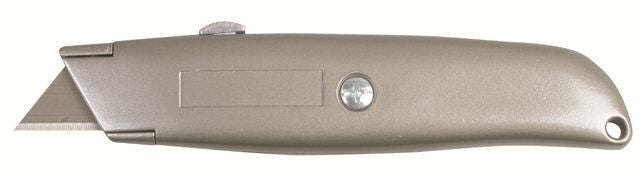
Safety Knives – Left Hand (Safety Cutter)
A left-handed safety knife is designed to make everyday carton opening, shrink-wrap cutting and general packaging tasks safer, faster and more comfortable for left-handed users. By orientating the cutting edge and guard for left-hand use, the tool helps you keep a natural wrist position and a clear line of sight while cutting—reducing strain and improving control during repetitive work.
This product page covers a left-hand safety knife intended for typical warehouse, packing bench and goods-in environments. It is commonly used for opening taped cartons, cutting stretch film, trimming strapping and handling other light-to-medium packaging materials where a controlled, guarded blade is preferred over an open utility knife.
Key Features
Left-hand specific design:
Built for left-handed operation so the blade orientation, guard position and handling feel natural for left-handed users. This can improve accuracy and reduce awkward wrist angles compared with right-hand cutters used “the wrong way round”.
Safety-focused cutting:
A safety knife is intended to reduce the risk of accidental cuts by limiting blade exposure and encouraging controlled cutting. This is especially valuable in busy packing areas where speed and safety must go together.
Ideal for packaging materials:
Well suited to common packing tasks such as cutting tape on cartons, opening boxes, slicing stretch/shrink film and trimming lightweight materials used in dispatch and receiving.
Comfort for repetitive use:
In environments where operators open many cartons per shift, a purpose-made left-hand cutter can help reduce fatigue by improving grip and control.
Simple to issue and standardise:
Safety knives are often used as part of a site-wide safety policy. Having a left-hand option helps ensure every operator can use the correct tool rather than improvising with unsuitable knives.
Key Features (Bullet Summary)
- Left-hand oriented safety cutter for improved comfort and control
- Designed for safer carton opening and packaging line tasks
- Suitable for tape, stretch film and general packing materials
- Helps support workplace safety procedures and tool standardisation
- Practical choice for warehouses, goods-in, dispatch and packing benches
Safety Knives – Left Hand — Full Product Guide
Introduction
Cutting tools are used constantly in packaging and logistics, which makes them one of the most common sources of minor workplace injuries. A left-hand safety knife is a straightforward improvement: it gives left-handed users a tool that is designed for their natural cutting motion, while also prioritising guarded cutting to help reduce accidental contact with the blade.
Because configurable product pages can cover multiple pack quantities or variants, the guidance below focuses on how this type of product is typically used and selected, rather than stating a single fixed size or specification.
How It Works
A safety knife (also called a safety cutter) is designed to cut packaging materials while keeping blade exposure to a minimum. In practice, this means the cutting edge is positioned so that it can slice through tape or film when drawn along the surface, but is less likely to cause injury if the tool slips.
For left-handed models, the cutting geometry and guard orientation are arranged so that a left-handed user can pull or push the cutter in a controlled way while maintaining visibility of the cut line. This can be particularly helpful when opening cartons at speed, where a right-handed cutter may force a left-handed operator into an awkward grip.
Materials and Construction
Safety knives used in packaging environments are typically built from durable plastics and/or metal components designed to withstand daily handling. The key functional areas are the handle (for grip and control) and the guarded cutting area (to guide the material into the blade safely).
When choosing a safety knife for a site, it is worth considering how it will be used: bench work vs. mobile picking, dry environments vs. areas where gloves are worn, and whether the tool will be shared between operators. A robust, easy-to-clean design is often preferred for general warehouse use.
Packaging Material Compatibility
Left-hand safety knives are commonly used on:
- Carton sealing tape (opening boxes without plunging a blade into contents)
- Stretch film / shrink wrap (controlled slicing without snagging)
- Lightweight plastic strapping (where permitted by site policy)
- General packing materials such as thin plastic sheeting or bagging
If you regularly cut thicker materials, heavy-duty strapping or dense board, consider whether your process requires a different cutter type or a specialist tool. Always follow your site’s safety procedures and risk assessments.
Health and Safety
Even with a safety cutter, safe working practices matter. Typical best practices include:
- Cut away from the body and keep the non-cutting hand clear of the cutting path
- Use the tool as intended—avoid twisting or prying with the blade area
- Inspect the cutter regularly for damage or wear
- Store cutters safely when not in use (especially in shared work areas)
- Provide the correct handedness tool to each operator where possible
Providing a left-hand option can reduce the temptation for left-handed staff to use unsuitable open blades or to use right-hand cutters in a way that compromises control.
Ideal Applications and Use Cases
This type of left-hand safety knife is a practical fit for:
- Goods-in / receiving: opening inbound cartons quickly while protecting contents
- Pick & pack: opening cases, cutting film and preparing orders
- Dispatch: trimming wrap and tape during pallet preparation
- Retail back-of-house: safe opening of deliveries and shelf-ready packaging
- Production support areas: packaging stations where repetitive cutting is common
Maintenance, Cleaning and Care
To keep a safety knife performing well:
- Keep the cutting area free from tape residue and film build-up
- Wipe down the handle and guard surfaces as part of routine housekeeping
- Replace the cutter if it becomes damaged or if the cutting performance deteriorates
- Where applicable, follow any internal procedures for issuing and returning cutters
In many workplaces, cutters are treated as controlled tools. A simple sign-out process can help reduce loss and ensure damaged tools are removed from service promptly.
Case Study (Typical Example)
Scenario: A busy packing bench processes a high volume of taped cartons each day. Several operators are left-handed and were previously using standard right-hand cutters or open utility knives.
Change: Introducing left-hand safety knives as part of a standard tool issue improved comfort for left-handed staff and helped reinforce a consistent “safety cutter only” policy across the team.
Outcome: Operators reported better control when opening cartons and less awkward wrist positioning during repetitive tasks. The packing area also benefited from clearer standardisation of approved cutting tools.
Who Is It For?
- Warehouses and distribution centres that want safer carton opening tools
- Packing teams with left-handed operators who need the correct handedness cutter
- Sites implementing or upgrading a safety knife policy
- Businesses looking to reduce product damage caused by deep blade penetration
Colours / Features Available
Safety knives are often supplied in high-visibility colours to make them easy to locate and to support tool control procedures. Exact colours and feature sets can vary by variant; please refer to the options shown on this page for the available configurations.
Sizes Available
This listing may include different pack quantities or variant options. Please select the required option from the variant/pack size choices shown on the product page.
Need help choosing?
If you are standardising tools across a site, consider issuing left-hand and right-hand safety knives to match operator preference, and review the materials you cut most often (tape, film, strapping) to ensure the cutter type aligns with your process.