

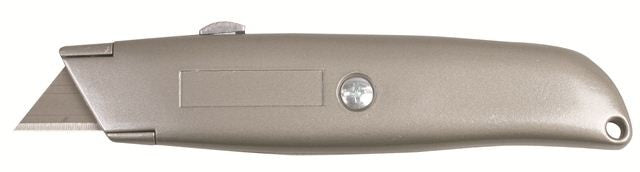
Tape Dispencers
Safety Knife Spare Blades x100
Keep your cutting tools performing at their best with Safety Knife Spare Blades x100—a convenient bulk pack of replacement blades designed for fast changeovers and consistent cutting performance in busy packing, warehousing and production environments. Whether you’re opening cartons, trimming packaging materials, or carrying out general stock-room tasks, having spare blades on hand helps maintain clean cuts and reduces the temptation to keep using worn edges.
This listing is supplied as a pack of 100 blades (see variant/pack information on this page). These are replacement blades intended for compatible safety knives/cutters. If you’re unsure about compatibility with your current knife, check your knife model and blade format before ordering.
Key Features
Bulk pack for high-throughput sites
A 100-blade pack is ideal for operations where knives are used daily—helping you standardise consumables and reduce downtime caused by running out of blades.
Sharper blades support cleaner, safer cutting
Replacing blades when they dull can improve control and reduce the force needed to cut, which is a common contributor to slips and torn packaging.
Quick replenishment for stores and tool cribs
A single pack supports organised stock control—useful for issuing blades to teams, maintaining shadow boards, or keeping spares at packing benches.
Designed as replacement blades for safety knives
These blades are sold as spare blades for safety knives/cutters. Always match the blade type to the knife it is intended for.
- Pack size: 100 blades
- Category: Equipment / Knives
- Use: Replacement blades for compatible safety knives/cutters
Typical Uses
- Opening cartons and cases in goods-in and despatch
- General warehouse picking/packing tasks
- Trimming packaging materials at packing benches
- Retail back-of-house stock handling
- Production and assembly areas where packaging is cut frequently
Safety Knife Spare Blades x100 — Full Product Guide
Replacement blades are a small consumable that can make a big difference to day-to-day efficiency. A sharp blade typically cuts with less effort, produces a cleaner edge, and helps operators maintain better control. This guide explains how spare blades are commonly used in safety knife programmes, what to consider when selecting the right blade type, and how to store and handle blades responsibly.
How It Works
Safety knives and cutters rely on a blade edge to slice through packaging materials such as tape, stretch film, strapping, paper and cardboard. Over time, the cutting edge wears down—especially when used on abrasive materials or when it contacts staples, clips, or hard surfaces. When the edge dulls, users often apply more pressure, which can increase the chance of slips and damage to goods.
Keeping spare blades available encourages timely blade changes. In many workplaces, a simple rule—change the blade when cutting becomes difficult—helps maintain consistent performance and supports safer working practices.
Materials and Construction
This product is supplied as spare blades for safety knives/cutters. Blade construction and edge geometry can vary by knife system (for example, different blade shapes, mounting styles, or segmented “snap-off” formats). Because this page may represent a configurable product, always confirm the blade format required by your knife model before purchase.
If your site uses multiple knife types, consider standardising on a smaller number of knife/blade systems to simplify training and stockholding.
Floor Type Compatibility
Spare blades are used in hand tools rather than installed into flooring, so floor type compatibility is not applicable. However, the working environment matters: dusty areas, cold rooms, and high-humidity zones can affect how tools are stored and maintained. Keep blades dry and protected, and avoid leaving loose blades on benches or in pockets.
Health and Safety
Blades are sharp components and should be handled with care. For safer use in the workplace:
- Use the correct blade for the knife—never force-fit a blade into an incompatible handle.
- Change blades using the knife’s intended method and follow your site’s safe system of work.
- Dispose of used blades responsibly using an approved sharps container or blade disposal unit.
- Store spare blades securely to prevent accidental contact and to control access where required.
- Wear appropriate PPE as defined by your risk assessment (for example, cut-resistant gloves where appropriate).
Good blade management is also good housekeeping: it reduces the risk of loose sharps in waste streams and helps maintain a tidy, controlled work area.
Ideal Applications and Use Cases
A 100-pack of spare blades is particularly useful for:
- Warehouses and distribution centres with multiple shifts and frequent carton opening.
- E-commerce fulfilment where operators cut tape and packaging materials continuously.
- Manufacturing and assembly where packaging is removed from components and finished goods.
- Retail stockrooms where compact, reliable cutting tools are used daily.
- Facilities teams who need dependable spares for general maintenance tasks.
Maintenance, Cleaning and Care
Spare blades themselves require minimal maintenance, but the knife handle and blade mechanism benefit from routine checks:
- Keep the knife clean and free from adhesive build-up (especially if cutting tape).
- Inspect the blade holder/slider for damage or debris that could affect blade seating.
- Replace blades promptly when dull to avoid excessive force and ragged cuts.
- Store knives and blades in a dry place to reduce corrosion risk.
If your knife uses a retracting or guarded mechanism, ensure it operates smoothly after blade changes.
Case Study (Typical Workplace Scenario)
Scenario: A busy packing area experiences inconsistent carton opening times and occasional product damage from over-cutting. Operators report that blades “don’t feel sharp” but continue using them to avoid delays.
Improvement approach: The site introduces a simple blade-change routine and keeps a controlled stock of spare blades at each packing station. Supervisors encourage blade changes at the first sign of drag or tearing.
Outcome: Operators maintain cleaner cuts with less effort, packing flow becomes more consistent, and the team reduces incidents of torn cartons and damaged inner packaging. (Results will vary by site and process.)
Who is it for?
- Operations managers looking to standardise consumables for cutting tools
- Warehouse and fulfilment teams needing reliable blade availability
- Health & Safety leads implementing safer cutting practices
- Facilities and maintenance teams who use knives for general tasks
- Procurement teams consolidating frequently used consumables
Colours / Features Available
Spare blades are typically supplied as metal blades; colour options are generally not applicable. Any specific blade features (such as blade shape or compatibility system) depend on the knife type this pack is intended for—please refer to the product options and your knife specification.
Sizes Available
This product is supplied as a pack of 100. Blade dimensions and formats vary by knife system; because this page may cover multiple configurations, please confirm the correct blade type for your knife before ordering.