

Foam Rolls
Overview
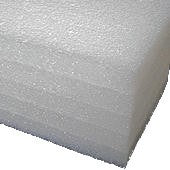
LD white poly laminated foam sheets are a lightweight, resilient protective foam designed to cushion, separate and surface-protect products during storage, handling and transit. The laminated poly (film) facing helps the foam glide against adjacent surfaces, reduces snagging, and provides a cleaner contact layer when used against finished goods. These sheets are commonly chosen where you need dependable impact absorption and scratch resistance without adding significant weight or bulk.
Because this is a configurable listing, the same product family may be supplied in multiple thicknesses and pack quantities. Select the option that best matches your protection level, packing method and available space.
Key Features
- Poly laminated facing: A smooth film layer helps reduce friction, improves slip, and can make insertion/removal easier when wrapping or interleaving items.
- Lightweight cushioning: Closed-cell foam structure provides shock absorption for knocks and vibration in transit.
- Surface protection: Helps prevent scuffs, scratches and rub marks on painted, polished or coated surfaces.
- Clean, low-lint material: Suitable for packing applications where dust and fibres are undesirable compared with paper-based wraps.
- Easy to cut and shape: Can be trimmed with a sharp knife or cutting tools to create pads, dividers, corner pieces and custom inserts.
- Moisture resistance: Polyethylene foam does not absorb water like paper or cardboard, helping maintain cushioning performance in damp conditions.
- Versatile sheet format: Ideal for interleaving, layering, lining cartons, and creating protective wraps around products.
Typical Uses
- Interleaving between stacked components to prevent abrasion
- Carton lining for added cushioning and improved presentation
- Protective pads for corners, edges and faces of products
- Wrapping and separating fragile or finished items during storage and shipping
- Creating simple case inserts and dividers for repeat shipments
LD White Poly Laminated Foam Sheets — Full Product Guide
Choosing the right protective foam is about balancing cushioning performance, surface sensitivity, packing speed and cost. Poly laminated foam sheets are a practical option when you want the forgiving protection of closed-cell foam combined with a smoother outer layer that helps the material slide and release cleanly.
How It Works
Closed-cell polyethylene foam cushions by compressing under load and then recovering, absorbing energy from impacts and reducing the transfer of shock to the packed item. When used as an interleaf, the foam also acts as a spacer that prevents hard surfaces from contacting each other. The laminated poly facing adds a slicker contact surface, which can reduce drag when inserting products into cartons or when sliding sheets between items.
Materials and Construction
These sheets are made from LD (low density) polyethylene foam with a poly film laminated to one face. The foam provides the cushioning and resilience; the laminated layer provides a smoother, more abrasion-resistant surface. This combination is widely used in protective packaging because it is lightweight, flexible and easy to handle.
Protection Level and Choosing the Right Option
Different thicknesses and pack quantities are typically offered within the same product family. In general:
- Thinner sheets are often used for surface protection, interleaving and light cushioning.
- Thicker sheets provide greater shock absorption and are better for heavier items or higher drop-risk shipments.
If you are unsure, consider the product weight, fragility, the amount of void space in the carton, and whether the item will be stacked. For repeat shipments, it can be worth trialling two thicknesses to see which gives the best balance of protection and packing efficiency.
Floor Type Compatibility (Warehouse & Packing Areas)
In packing environments, foam sheets are commonly used on benches, packing tables and within cartons rather than as a floor underlay. The laminated face can help sheets slide on smooth worktops and reduce snagging on rougher surfaces. If you are using sheets as temporary surface protection on floors or work areas, ensure they are secured and that slip risks are assessed for your site conditions.
Health and Safety
- Cutting: Use appropriate cutting tools and a safe cutting surface; replace blades regularly for clean cuts and reduced force.
- Manual handling: Foam is lightweight, but large sheets can be awkward—consider two-person handling where needed.
- Slip risk: The laminated surface may be more slippery than unlaminated foam; keep walkways clear and avoid loose sheets on floors.
- Fire safety: Store packaging materials in accordance with your site fire risk assessment and local regulations.
Ideal Applications and Use Cases
Finished goods and sensitive surfaces
Use as an interleaf between painted panels, coated metalwork, polished stone, glass, acrylic, laminates and other surfaces prone to rub marks.
Manufacturing and assembly
Place sheets between parts in totes or stillages to reduce scuffing during internal transport. The laminated face can help parts slide into position without catching.
Furniture and interiors
Ideal for protecting edges and faces of components during delivery and installation, especially where a clean, non-marking wrap is preferred.
Automotive and engineering
Use as a separator for components, as a liner for cases, or as a quick-cut pad for vulnerable areas.
Events, AV and equipment cases
Foam sheets can be cut into pads and layers for case packing, helping reduce movement and vibration.
Maintenance, Cleaning and Care
- Keep dry and clean: Store sheets in a clean, dry area to maintain presentation and reduce contamination risk.
- Reuse where appropriate: Many users reuse foam sheets for repeat shipments; inspect for compression set, tears or contamination before reusing.
- Cut edges: For best results, use sharp blades to avoid ragged edges that can catch during packing.
Case Study (Example Workflow)
A distributor shipping finished components needed to reduce surface scuffs caused by vibration and part-to-part contact. By adding poly laminated foam sheets as interleaves between items and lining the carton faces, they reduced rub marks and improved unboxing presentation. Packing time remained fast because the laminated face helped sheets slide into place and release cleanly during unpacking.
Who Is It For?
- Warehouses and fulfilment teams packing finished goods
- Manufacturers needing part separation during internal transport
- Installers and contractors protecting surfaces on-site
- Businesses shipping fragile or scratch-sensitive products
Colours / Features Available
This range is supplied in white LD foam with a poly laminated facing. If you require alternative colours, densities or anti-static options, consider requesting a quotation based on your application.
Sizes Available
This listing covers a sheet format supplied in multiple selectable options (such as thickness and pack quantity). Choose the variant that matches your required protection level and packing method. If you need a custom cut size or a repeatable insert format, it may be possible to cut sheets down in-house or request bespoke conversion depending on your volume and specification.
Need help choosing?
If you share what you are packing (material, weight, surface finish) and how it will be shipped (carton size, stacking, courier/pallet), we can help you select the most suitable option.