

Foam Rolls
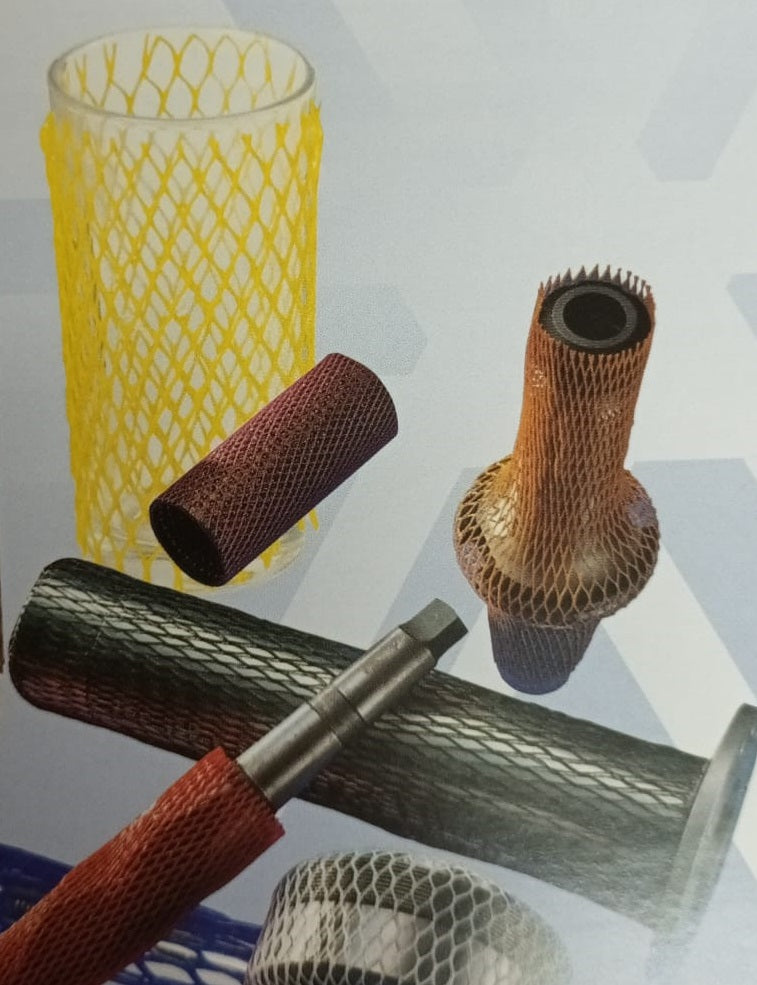
Violet Protective Mesh Sleeving (Expandable Netting) — Product Overview
Protective mesh sleeving is a simple, highly effective way to protect delicate surfaces and reduce transit damage when packing, storing, or handling products. This violet expandable netting is designed to stretch over items and create a resilient protective layer that helps guard against scuffs, scratches, and light knocks. Because the mesh expands and contracts, it can accommodate a range of diameters without needing multiple different packaging formats for every item size.
Mesh sleeving is especially useful for awkward shapes and items that are difficult to wrap with flat materials. Instead of taping and folding, you slide the netting over the product, cut to length, and you have fast, consistent protection with minimal waste. It’s commonly used across manufacturing, engineering, warehousing, eCommerce fulfilment, and specialist packing environments where presentation and surface protection matter.
This listing is for violet protective mesh sleeving supplied on a roll. The sleeving is specified by an expandable diameter range (rather than a single fixed size), making it a versatile choice for protecting items that vary slightly in diameter or have features such as flanges, lips, or gentle tapers.
Key Features
-
Expandable diameter range
Designed to stretch to suit a range of product diameters, helping you protect more items with fewer packaging lines. -
Fast application
Slide-on protection reduces packing time compared with wrapping and taping, particularly for long or cylindrical items. -
Surface protection
The mesh structure helps reduce scuffs and scratches on finished surfaces during handling, storage, and transit. -
Breathable, open mesh
Allows airflow and visibility of the product while still providing a protective buffer. -
Cut-to-length convenience
Supplied on a roll so you can cut exactly what you need for each item, reducing waste and improving consistency. -
Ideal for awkward shapes
Useful for items that are difficult to wrap neatly with flat materials, including parts with contours or protrusions. -
Colour identification
Violet netting can support quick visual identification in busy packing areas (for example, by product type, line, or destination).
Typical Uses
- Protecting delicate or finished surfaces on components during storage and transport
- Separating items to reduce rubbing and abrasion when packed together
- Covering cylindrical or elongated products such as tubes, rods, handles, and similar shapes
- Protecting fragile edges and contours on parts that are awkward to wrap
- General warehouse and despatch protection where speed and consistency are important
Violet Protective Mesh Sleeving — Full Product Guide
Choosing the right protective packaging is about balancing protection, speed, and cost. Expandable mesh sleeving is popular because it provides reliable surface protection with minimal packing effort. Below is a practical guide to help you decide whether this netting is the right fit for your products and process.
How It Works
Protective mesh sleeving is an extruded net that expands when you open it up and contracts when released. You simply:
- Measure the approximate length of sleeving required
- Cut from the roll
- Open the mesh and slide it over the item
- Allow it to contract to hold itself in place
The open structure creates a cushioning layer and reduces direct contact between the product and external surfaces (or between products packed together). This helps minimise surface marking and light impact damage during routine handling.
Materials and Construction
Comparable products in this category are commonly described as polyethylene net sleeving. The net-like construction is created by extrusion, producing a flexible mesh that can stretch to accommodate different diameters while remaining lightweight and easy to handle. The open mesh design also means you use less material than fully enclosed wraps, while still achieving practical protection for many applications.
Choosing the Right Fit (Diameter Range)
Mesh sleeving is typically specified by an expandable diameter range. That range indicates the approximate minimum and maximum diameter the sleeving can comfortably accommodate. For best results:
- For a snug fit, choose a range where your item sits toward the middle of the expansion range.
- For easier application, ensure the item can be inserted without excessive stretching (especially if the item has edges, threads, or protrusions).
- For tapered items, consider the largest diameter section when selecting the range.
If you are protecting items with sharp corners or abrasive surfaces, consider whether an additional layer (such as foam or paper) is needed underneath, as mesh sleeving is primarily designed for surface protection and separation rather than heavy-duty puncture resistance.
Floor Type Compatibility (Packing Environment)
Protective mesh sleeving is well suited to a wide range of packing environments:
- Warehouse and despatch benches where speed and repeatability matter
- Production lines for in-process protection between workstations
- Clean packing areas where low-lint, tidy packaging is preferred
- Mobile packing where lightweight rolls are easier to carry and dispense
Because the mesh is supplied on a roll, it can be used with simple cutting tools and stored neatly on shelving or in packing stations.
Health and Safety
As with any roll-fed packaging material, safe handling practices help maintain a tidy and efficient packing area:
- Use appropriate cutting tools and cut away from the body
- Keep loose offcuts contained to reduce trip hazards
- If packing delicate finished parts, ensure the work surface is clean to avoid transferring debris onto the product
If you are packing items with sharp edges, consider gloves and additional protective layers to reduce the risk of snagging or cuts.
Ideal Applications and Use Cases
Expandable netting is commonly used for:
- Engineering and manufacturing components where surface finish must be preserved
- Decorative or coated items that can mark easily when rubbed together
- Long, slender products that are awkward to wrap with flat materials
- Bundling and separation to prevent contact damage inside cartons or crates
It can also be used as a quick protective sleeve for items moving between departments, helping reduce rework caused by cosmetic damage.
Maintenance, Cleaning and Care
Mesh sleeving is typically used as a consumable protective packaging material. To keep your packing process efficient:
- Store rolls in a clean, dry area to prevent contamination
- Keep the roll protected from crushing to maintain easy dispensing
- Use consistent cutting lengths for repeatable packing outcomes
If you need to protect high-gloss or easily marked finishes, it’s good practice to test a small section first to confirm the level of protection meets your expectations.
Case Study (Typical Packing Scenario)
A common scenario is packing multiple finished components in a single carton. Without separation, parts can rub together during transit, causing scuffs that lead to returns or rework. By cutting short lengths of mesh sleeving and sliding them over each component (or over the most vulnerable surfaces), packers can quickly create a protective barrier between items. This approach can reduce cosmetic damage while keeping packing time low and maintaining a neat presentation when the customer opens the box.
Who Is It For?
- Warehouses and fulfilment teams needing fast, consistent surface protection
- Manufacturers protecting parts between processes or during shipment
- Engineering and maintenance teams storing components to prevent marking
- Retail and eCommerce sellers wanting a professional unboxing experience with reduced damage risk
Colours / Features Available
This product is supplied in violet. Colour can be useful for quick identification in storage or for differentiating product lines in a busy packing area. If you use multiple mesh sizes or types, colour-coding can help reduce picking errors and speed up packing.
Sizes Available
Protective mesh sleeving is commonly offered in multiple expandable diameter ranges and roll lengths. This listing represents one of those options. If you need a different diameter range or roll length for your application, choose the closest match based on the maximum diameter of the items you need to protect.
Need help selecting the right option?
Tell us what you’re packing (material, surface finish, approximate diameter, and whether there are sharp edges), and we can help you choose the most suitable mesh sleeving range and packing approach.