

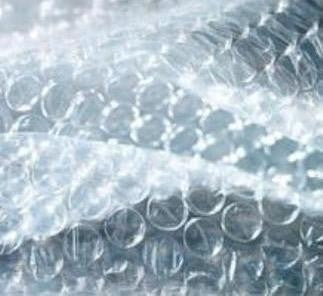
Bubble Wrap - Large x 50M
Large Bubble Wrap Roll (25mm bubbles) — protective cushioning for packing, storage and transit
Large bubble wrap is a versatile protective packaging material designed to cushion and shield items from knocks, vibration and surface scuffs during handling and transportation. This product is a large-bubble format (25mm bubbles), which is commonly chosen when you need a deeper cushioning layer than small-bubble wrap—particularly for bulkier, heavier or more fragile items. The roll format makes it easy to dispense, wrap, and cut to length as needed for day-to-day packing operations.
Key Features
Large 25mm bubbles for enhanced cushioning
Large bubbles provide a thicker air-pocket layer that helps absorb impacts and reduce vibration during transit. This makes large bubble wrap a popular choice for protecting delicate surfaces and providing extra shock absorption compared with smaller bubble sizes.
Roll format for fast, flexible packing
Supplied on a roll so you can pull off the amount you need, wrap items efficiently, and cut cleanly to size. This is ideal for busy packing benches, warehouses, mailrooms and e-commerce fulfilment where speed and consistency matter.
Surface protection to reduce scuffs and scratches
As well as cushioning, bubble wrap acts as a protective barrier between items and outer packaging, helping to reduce abrasion marks on finished surfaces during storage and shipping.
Lightweight protection that helps control shipping weight
Bubble wrap adds protective performance without adding significant weight, helping you protect products while keeping parcel weights manageable.
Easy to combine with cartons and void fill
Large bubble wrap works well alongside cardboard boxes, edge protectors, paper void fill and foam to create a complete protective packing system.
- Bubble size: 25mm diameter (large bubble)
- Typical roll format: supplied as a roll for easy dispensing and cutting
- Common use: cushioning, wrapping and surface protection for packing and transit
Typical Uses
- Wrapping fragile items before placing into cartons
- Protecting larger products and awkward shapes that need extra cushioning
- Layering between items to prevent contact damage
- Creating a protective wrap for storage, removals and distribution
- General warehouse and e-commerce packing where reliable cushioning is required
Large Bubble Wrap — Full Product Guide
Choosing the right bubble wrap is one of the simplest ways to reduce damage in transit. Large bubble wrap (25mm) is widely used when you need a more substantial cushioning layer—either because the item is heavier, the journey is longer, or the product has delicate surfaces that benefit from extra protection. Below is a practical guide to help you get the best performance from large bubble wrap in real packing environments.
How It Works
Bubble wrap protects items by trapping air inside sealed bubbles. When an item is bumped or dropped, the air pockets compress and help absorb and spread the force of impact. Large bubbles generally provide a deeper cushioning effect, which can be beneficial for items that are more susceptible to shock or vibration. For best results, wrap items so the bubble layer forms a consistent protective barrier around corners, edges and protrusions—these are often the first points to take impact.
Materials and Construction
Large bubble wrap is typically made from polyethylene film formed into air-filled bubbles and laminated to a flat backing layer. This construction creates a flexible, lightweight cushioning sheet that can be wrapped tightly around products. The roll format supports efficient dispensing and helps keep the material clean and ready for use at the packing station.
Packaging Performance: Cushioning vs. Surface Protection
Bubble wrap is often selected for two reasons: cushioning and surface protection. Large bubbles are primarily chosen for cushioning performance, while the film layers also help protect against scuffs and light abrasion. If you are packing items with highly sensitive finishes, consider adding an additional soft interleaf (such as tissue or foam) before bubble wrapping, then use the bubble wrap as the main shock-absorbing layer.
Floor Type Compatibility (Packing Area Practicalities)
In busy packing areas, bubble wrap is commonly used on benches, packing tables and cutting stations. A roll can be positioned on a dispenser or simply placed on a clean surface for pull-and-cut use. Keeping the roll elevated or on a holder can help reduce snagging and improve workflow, especially where multiple packers share the same station.
Health and Safety
As with all packaging films, keep bubble wrap away from heat sources and open flames. When cutting, use appropriate safety cutters and follow site procedures to reduce the risk of injury. Bubble wrap can be slippery underfoot—dispose of offcuts promptly and keep walkways clear. If you are wrapping large items, ensure the product is stable on the bench or floor to avoid strain or sudden movement during wrapping.
Ideal Applications and Use Cases
Large bubble wrap is commonly used for:
- Fragile goods: ceramics, glassware, ornaments and delicate components
- Bulkier items: products that benefit from a thicker cushioning layer
- Longer transit routes: where parcels may experience more handling events
- Storage and removals: protecting items from knocks and surface marks
- Interleaving: separating items inside cartons to prevent contact damage
Maintenance, Cleaning and Care
Bubble wrap itself is a consumable packaging material, but you can improve performance and reduce waste by storing rolls correctly. Keep rolls dry, clean and protected from sharp objects that could puncture the bubbles. Store in a cool area away from direct sunlight where possible, and avoid compressing rolls under heavy loads, which can reduce cushioning performance before use.
Packing Tips (Getting the Best Results)
- Wrap corners and edges generously: these areas are most likely to take impact.
- Use multiple layers when needed: heavier or more fragile items may require extra wraps.
- Secure with tape: use packaging tape to hold the wrap in place without crushing bubbles.
- Choose the right box size: allow space for cushioning while avoiding excessive voids.
- Combine with void fill: after wrapping, fill remaining space to prevent movement in the carton.
Case Study (Typical Scenario)
A small e-commerce fulfilment team shipping mixed fragile items often uses large bubble wrap as the primary cushioning layer. Items are first wrapped to protect surfaces, then placed into appropriately sized cartons. Any remaining space is filled to prevent movement. This approach helps reduce breakages and returns by limiting shock transfer and keeping products stable during transit.
Who Is It For?
- Warehouses and distribution centres packing a wide range of products
- E-commerce and mail-order businesses shipping fragile or premium items
- Manufacturers protecting components during internal transport or outbound shipping
- Removal and storage operations needing reliable cushioning protection
Colours / Features Available
Bubble wrap is commonly supplied in a clear film format so packers can identify the wrapped item easily. Product availability can vary by range and configuration.
Sizes Available
This product page may represent multiple roll options within the same large-bubble range. Select the required roll configuration from the options shown on the page. Where roll dimensions are listed, they refer to the roll width and roll length.
Reference notes: Large bubble wrap is commonly specified with 25mm diameter bubbles, and this roll format is widely listed as a 300mm x 45m option by packaging suppliers. See referenced listings for typical specification and use guidance.