

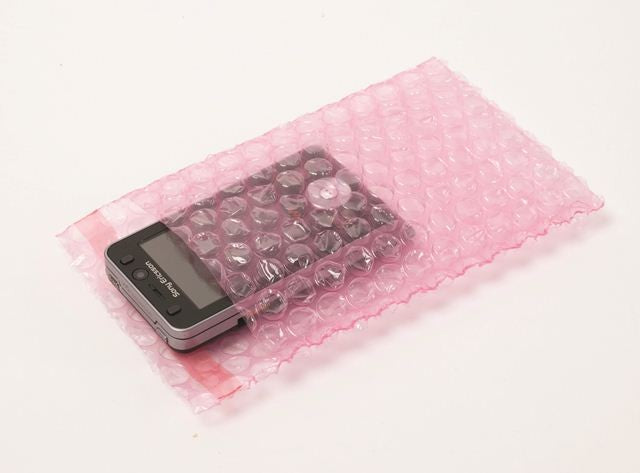
Bubble Pouches S/S
Overview
Self-seal bubble pouches are a quick, reliable way to protect items in transit without needing tape or additional void fill. This listing covers self-seal bubble pouches in the 250 x 300 mm size range, designed to cushion contents against knocks and vibration while keeping packing time to a minimum. The integrated peel-and-seal closure helps create a neat, consistent pack finish—ideal for busy dispatch benches where speed and presentation matter.
Bubble pouches are commonly chosen for shipping small-to-medium products that need surface protection (to help reduce scuffs and scratches) and impact cushioning. They’re also useful for organising and storing delicate components in warehouses, workshops, and retail backrooms. Because the pouch is pre-formed, you simply insert the item, remove the release liner, and seal—no cutting, folding, or taping required.
Key Features
- Peel-and-seal self-closure: Built-in adhesive strip helps you seal quickly and consistently without extra tape.
- Cushioning bubble lining: Bubble protection helps absorb minor impacts and reduces abrasion during handling and transit.
- Clean, professional presentation: A tidy sealed edge and uniform pouch shape supports a consistent packing standard.
- Fast packing workflow: Insert, peel, seal—ideal for high-throughput fulfilment and mailroom environments.
- Versatile protection: Suitable for many fragile or scratch-prone items where a rigid box may be unnecessary.
Typical Uses
- Mailing small electronics accessories and components
- Shipping cosmetics, health & beauty items, and small retail goods
- Protecting printed materials, brochures, and product inserts that benefit from cushioning
- Sending spare parts, fittings, and delicate hardware
- Storing and organising fragile items in drawers, bins, and picking locations
Self Seal Bubble Pouches — Full Product Guide
Choosing the right protective mailer is about balancing protection, speed, and cost. Self-seal bubble pouches are a popular option because they combine a lightweight outer with internal cushioning and a simple closure. Below is a practical guide to help you decide if this style is right for your operation and how to get the best performance from it.
How It Works
A bubble pouch is a pre-made protective envelope. You place your product inside the pouch so it sits comfortably without forcing the seams. The closure is a peel-and-seal strip: remove the release liner to expose the adhesive, fold the flap over, and press firmly along the seal line. This creates a secure closure suitable for typical parcel and postal networks.
Because the pouch is already formed, it reduces packing steps compared with wrapping items in loose bubble and then placing them into a separate outer bag. That time saving can be significant when you’re processing many orders per day.
Materials and Construction
Self-seal bubble pouches are constructed as a layered mailer: an outer film/paper layer paired with an internal bubble cushioning layer. The bubble layer provides shock absorption and helps protect surfaces from rubbing. The self-seal flap includes an adhesive strip protected by a removable liner until you’re ready to close the pouch.
In day-to-day use, the key performance factors are:
- Seal integrity: A firm press along the adhesive line helps ensure a consistent closure.
- Fit: Selecting a pouch that allows the item to sit flat without overstuffing helps maintain cushioning and reduces stress on seams.
- Handling resistance: The outer layer is designed to withstand typical sorting and transit handling.
Choosing the Right Size (Without Guesswork)
When selecting a bubble pouch, focus on the internal usable space rather than the nominal size alone. As a rule of thumb:
- Measure your product’s length, width, and thickness (including any retail packaging).
- Add allowance for thickness so the item doesn’t strain the seams or compress the bubble excessively.
- If your item has sharp corners or edges, consider stepping up a size or adding a small protective sleeve around the product.
This product page represents a configurable listing, so it may cover multiple pack quantities and related options. Choose the option that best matches your throughput and storage space.
Floor Type Compatibility
Bubble pouches are used in packing areas rather than installed on floors, but they do interact with your packing environment. They work well in:
- Bench packing stations: Easy to stack and dispense from shelves or bins.
- Pick-and-pack lines: Suitable for batch packing where speed and consistency are important.
- Mailrooms: A simple solution for outgoing post without specialist equipment.
Health and Safety
For safe and efficient use:
- Cut risk: If you open incoming goods with blades, keep knives away from stored pouches to avoid accidental damage.
- Manual handling: Avoid overfilling; overstuffed pouches can be harder to seal and may split under load.
- Slip/trip: Keep release liners and packaging waste contained—liners can be slippery if dropped on the floor.
Ideal Applications and Use Cases
Self-seal bubble pouches are a strong choice when you need lightweight protection and fast packing. They’re commonly used for:
- E-commerce fulfilment: Protecting items that don’t require a rigid carton.
- Spare parts distribution: Keeping components cushioned and separated.
- Retail dispatch: Sending small goods with a professional finish.
- Internal transfers: Moving delicate items between sites or departments.
If your product is very heavy, has sharp protrusions, or needs crush protection, a corrugated box (possibly with additional cushioning) may be more appropriate. Bubble pouches are best for items that benefit from cushioning and surface protection rather than structural rigidity.
Maintenance, Cleaning and Care
Bubble pouches are designed for single-use shipping and do not require maintenance. To keep them performing well:
- Store dry and clean: Keep pouches away from moisture and dust to help the adhesive seal perform consistently.
- Avoid heat extremes: Very high temperatures can affect adhesives; store in a stable indoor environment.
- Keep flat: Store in cartons or on shelves to prevent creasing that can make packing slower.
Case Study (Example Workflow)
Scenario: A small online retailer ships accessories and small boxed items daily. Previously, staff wrapped each item in loose bubble wrap and sealed it with tape before placing it into a mailing bag.
Change: Switching to self-seal bubble pouches simplified the process to three steps: insert, peel, seal.
Result: Packing became more consistent, the bench stayed tidier (less loose bubble and tape), and the finished parcels looked more uniform—helping the team maintain a repeatable standard during busy periods.
Who Is It For?
- Growing e-commerce brands that need a faster packing method without investing in machinery
- Warehouses and mailrooms looking for a simple protective mailer for mixed small items
- Retailers and service centres shipping parts, accessories, and delicate goods
- Anyone who wants cushioning and a clean seal without extra tape
Colours / Features Available
This listing is for self-seal bubble pouches. Options on configurable product pages can include different pack quantities and related variants. Refer to the selectable options on this page for the exact pack size and pricing available.
Sizes Available
This product page covers the 250 x 300 mm size range for self-seal bubble pouches. If you need a different size for thicker items, longer products, or a closer fit, browse the bubble pouch range or contact the team for guidance on selecting the most suitable option.
Packing tip: For best results, choose a pouch that allows the flap to close without tension, press firmly along the adhesive strip, and avoid trapping dust or loose fibres in the seal area.