

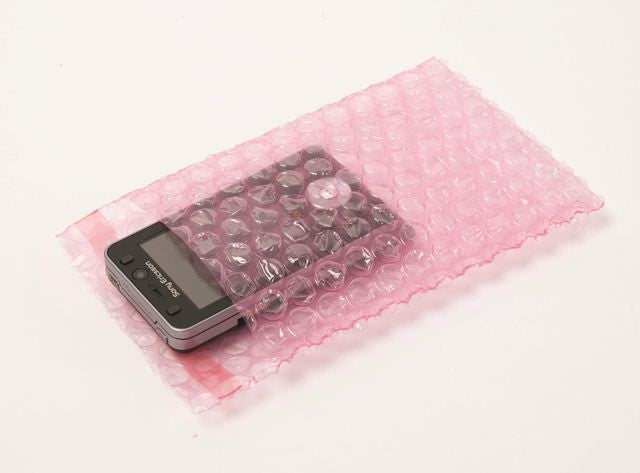
Bubble Pouches S/S
Anti-Static Self-Seal Bubble Pouches (BB1AS) — Protective Postal Packaging for ESD-Sensitive Items
These anti-static self-seal bubble pouches are designed to provide cushioned protection while helping to reduce static build-up when packing and posting electrostatic-sensitive components. The integrated bubble lining helps absorb knocks and vibration in transit, while the self-seal closure supports fast, consistent packing without the need for additional tape.
Often used for electronics, small parts and delicate items, anti-static bubble pouches are a practical choice when you want a lightweight mailer that combines padding and a quick-close flap. This listing covers the BB1AS anti-static self-seal bubble pouch range, which may be available in multiple pack quantities.
Key Features
Anti-static protection:
Helps reduce static build-up around sensitive items during handling and packing, supporting safer shipment of ESD-susceptible components.
Bubble cushioning:
Integrated bubble lining provides impact resistance and helps protect contents from knocks, scuffs and vibration during transit.
Self-seal closure:
Peel-and-seal style flap enables quick packing and a neat, secure closure without extra tape (ideal for busy packing benches).
Lightweight postal format:
Combines protection and low weight to help keep postage costs efficient compared with boxed packing for small items.
Clean, professional presentation:
A tidy pouch format that supports consistent packing standards for ecommerce, workshops and stores.
Key Features (at a glance)
- Anti-static bubble pouch for ESD-sensitive items
- Self-seal flap for fast closure
- Bubble cushioning to reduce transit damage
- Lightweight mailer format for postal use
- Suitable for electronics, components and small delicate parts
Typical Uses
- Posting circuit boards, connectors, sensors and electronic spares
- Packaging small electrical parts for service engineers and repair centres
- Protecting delicate items in internal transfers between departments
- Order fulfilment for ecommerce sellers shipping small, fragile products
Anti-Static Self-Seal Bubble Pouches (BB1AS) — Full Product Guide
Anti-static bubble pouches are a popular packaging choice where you need both cushioning and a measure of static control. They are commonly used in electronics supply chains, repair operations and ecommerce fulfilment where items may be sensitive to electrostatic discharge (ESD) or where static build-up can attract dust and debris. The BB1AS range combines a padded bubble interior with a self-seal flap to streamline packing and help protect contents in transit.
How It Works
Cushioning:
The bubble lining creates a protective air-cushion layer that helps absorb impacts and reduces the chance of damage from knocks and vibration.
Anti-static performance:
The anti-static material is intended to help reduce static build-up on the packaging surface during normal handling. This can be beneficial when packing ESD-sensitive components and assemblies.
Self-seal closure:
The integrated sealing strip allows the flap to be closed quickly and consistently, supporting faster packing and a cleaner finish than taping.
Materials and Construction
These pouches are constructed as a bubble-lined mailer with an anti-static outer layer and a self-seal flap. The bubble layer provides cushioning, while the anti-static film helps reduce static build-up during handling. The self-seal strip is designed for quick closure and a secure seal for postal and courier networks.
Postal and Handling Benefits
- Speed: self-seal closure supports rapid packing and consistent results.
- Protection: bubble cushioning helps reduce damage rates for small, delicate items.
- Efficiency: lightweight format can be more postage-friendly than boxes for small goods.
- Presentation: neat, professional packaging for customer deliveries.
Health and Safety
As with all packaging materials, keep pouches away from heat sources and open flames. When packing electronics, follow your organisation’s ESD handling procedures (for example, using grounded workstations and appropriate handling practices) and ensure the pouch is suitable for your specific application.
Ideal Applications and Use Cases
Electronics distribution:
Useful for shipping components and small assemblies where static control and cushioning are both desirable.
Repairs and returns:
Helps protect items during return shipping and internal transfers, reducing the risk of transit damage.
Ecommerce fulfilment:
A practical mailer for sellers shipping small, fragile items that benefit from padded protection.
Workshops and engineering stores:
Convenient for organising and dispatching small parts while maintaining a consistent packing standard.
Maintenance, Cleaning and Care
- Store in a clean, dry area away from direct sunlight and excessive heat.
- Keep pouches in their outer packaging until use to reduce dust contamination.
- Do not reuse pouches for critical shipments if the seal area or bubble lining is damaged.
Case Study (Typical Packing Workflow)
A small electronics reseller dispatches replacement parts daily. By switching from loose-fill boxes to self-seal anti-static bubble pouches for small components, the team reduces packing time (no taping required), improves consistency across packers, and adds cushioning without increasing parcel size. The result is a streamlined workflow and fewer customer complaints related to transit scuffs and minor impact damage.
Who is it for?
- Electronics manufacturers and distributors
- Repair centres and service engineers
- Ecommerce sellers shipping small, delicate items
- Warehouses and stores needing quick, protective postal packaging
Colours / Features Available
Anti-static bubble pouches are commonly supplied in a distinctive anti-static colour (often pink) and feature a self-seal flap with bubble cushioning. Refer to the product options on this page for the available variants and pack quantities.
Sizes Available
This product page may represent a configurable range. Please select the required option from the variants shown for the available sizes and pack quantities.
Need help choosing?
If you’re unsure which pouch size is best, choose a pouch that allows the item to sit flat with a little clearance around the edges, and avoid overfilling so the seal can close cleanly.