

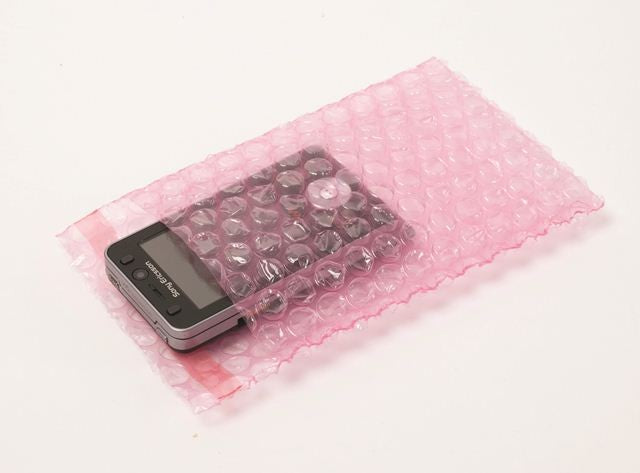
Bubble Pouches S/S
Anti-Static Self Seal Bubble Pouches (BB4AS) — Protective Postal Packaging for Sensitive Items
These anti-static self seal bubble pouches are designed to provide cushioned protection during storage and transit while helping to reduce the risk of electrostatic discharge (ESD) when handling sensitive electronic components. The integrated bubble lining helps absorb knocks and vibration, and the self-seal closure makes packing fast and consistent without the need for tape.
Often used for electronics, IT spares and delicate parts, anti-static bubble pouches are a practical choice when you want a lightweight protective mailer that’s quick to close, easy to handle and suitable for busy packing benches.
Key Features
Anti-static protection:
Helps reduce static build-up on the surface of the pouch, supporting safer handling and shipping of ESD-sensitive items such as circuit boards, components and electronic accessories.
Self-seal closure:
A peel-and-seal style closure provides a reliable seal for day-to-day packing, improving speed and consistency compared with taping.
Bubble cushioning:
Integrated bubble lining provides shock absorption to help protect contents from bumps, scuffs and vibration in the postal network.
Lightweight postal solution:
Bubble pouches add protection without the bulk of boxes, helping keep parcels compact and easier to process.
Clean, professional presentation:
Ideal for fulfilment operations that want a neat, uniform pack style for outgoing orders and returns.
Multiple pack quantities:
Available in a range of pack sizes to suit occasional use through to higher-volume dispatch.
- Anti-static bubble pouch format for ESD-sensitive items
- Self-seal closure for fast packing
- Bubble-lined cushioning to reduce transit damage
- Lightweight protective postal packaging
- Suitable for electronics, components and delicate parts
Typical Uses
- Shipping and storing PCBs, circuit boards and electronic assemblies
- Protecting computer parts, cables, adapters and small peripherals
- Packaging delicate spares, precision parts and small instruments
- Returns packaging for electronics and accessories
- General cushioning for items that benefit from impact protection
Anti-Static Self Seal Bubble Pouches (BB4AS) — Full Product Guide
Anti-static bubble pouches combine two practical benefits in one pack format: cushioning from a bubble lining and a surface designed to help reduce static build-up. This makes them a popular choice for dispatching electronics and other sensitive items where both physical protection and ESD awareness matter.
How It Works
The pouch provides a protective outer layer with an internal bubble lining that cushions the product. The self-seal flap closes the pouch quickly, creating a secure package for postal and courier networks. The anti-static surface helps reduce static accumulation during handling, packing and transit, supporting safer movement of ESD-sensitive goods.
Materials and Construction
This product is a bubble pouch with a self-seal closure. The bubble lining is designed to provide cushioning and reduce abrasion against the packed item. The anti-static finish is intended to help dissipate static charges on the pouch surface during normal handling.
Because these pouches are commonly used for electronics, they are typically selected as part of an ESD-aware packing process (for example, pairing with appropriate handling procedures and, where required, additional protective packaging).
Postal and Packing Performance
Bubble pouches are widely used as a lightweight alternative to boxes for small-to-medium items. They help protect against knocks and vibration while keeping the parcel compact. The self-seal closure supports consistent packing quality and can help reduce packing time in busy environments.
Health and Safety
When packing ESD-sensitive items, follow your site’s ESD handling procedures. Anti-static packaging can help reduce static build-up, but it should be used as part of an overall approach to protecting sensitive components. Ensure the pouch is correctly sealed and that sharp edges or protrusions are protected to avoid punctures.
Ideal Applications and Use Cases
- Electronics fulfilment: dispatching components and accessories with cushioning and anti-static handling support.
- IT and maintenance teams: storing and moving spare parts between sites or departments.
- Repair centres: sending items to and from service locations with a neat, protective pack format.
- Manufacturing and assembly: protecting parts between production stages where minor impacts and scuffs are a risk.
Maintenance, Cleaning and Care
These pouches are intended for packaging use and are typically used once for outbound shipping. Store unused pouches in a clean, dry area away from excessive heat and direct sunlight to help maintain material performance. Avoid overfilling; choose a pouch size that allows the flap to close fully without strain.
Case Study (Example Workflow)
A small electronics distributor dispatches replacement parts daily. By switching from taped mailers to self-seal anti-static bubble pouches, the packing team standardises the closing method, reduces time spent taping, and improves consistency of outgoing parcels. The bubble lining helps reduce cosmetic damage in transit, while the anti-static surface supports safer handling of sensitive components during packing.
Who Is It For?
- Businesses shipping ESD-sensitive electronics and components
- Warehouses and fulfilment teams needing fast, repeatable packing
- Repair centres and IT departments moving parts between locations
- Anyone wanting a lightweight cushioned pouch with a quick seal
Colours / Features Available
This listing is for an anti-static self-seal bubble pouch format (commonly supplied in an anti-static colour). The key functional features are the anti-static surface and the self-seal closure.
Sizes Available
This product page represents a specific pouch size and is also part of a broader range of bubble pouch sizes. If you are choosing between sizes, select a pouch that comfortably fits your item with enough room to close the self-seal flap fully, without forcing the seal.
If you are unsure which size is best for your product, consider the item’s overall dimensions (including any retail packaging) and allow clearance for easy insertion and sealing.