

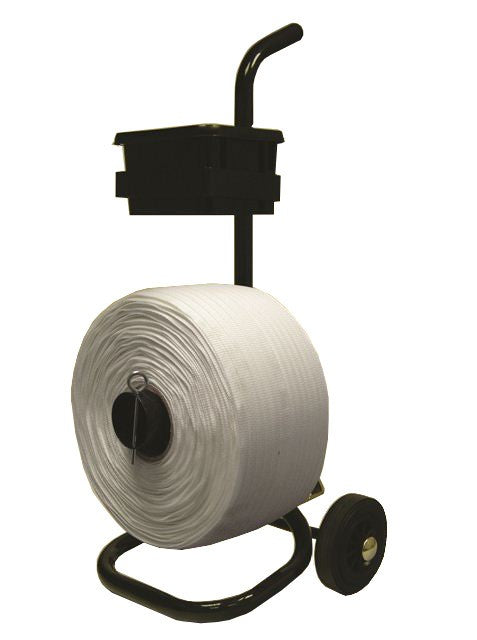
Strapping/Banding Tools/Trollies
12mm P/P & PET Offset Sealer — Overview
A 12mm P/P & PET offset sealer is a hand-operated strapping tool designed to crimp a compatible metal seal onto overlapping strapping, locking the strap in place after tensioning. This style of sealer is commonly used as part of a two-tool system: you tension the strap with a separate tensioner, then apply the seal with the offset sealer to create a secure, repeatable closure for packing, bundling and palletising tasks.
This Sapphire listing covers an offset sealer intended for 12mm wide strapping in polypropylene (PP) and polyester (PET). Because configurable product pages can represent multiple options, always match the tool to your strap width and the seal type you plan to use.
Key Points (At a Glance)
- For 12mm strapping: built for 12mm PP and PET banding applications.
- Offset sealer action: crimping jaws designed to close compatible metal seals reliably.
- Works in a two-tool workflow: typically used after tensioning with a separate tensioner (unless using a combination tool).
- Repeatable closures: helps produce consistent seal crimps for day-to-day packing operations.
- Simple, manual operation: no power supply required—ideal for mobile use around the warehouse.
Typical Uses
- Securing cartons and cases for dispatch
- Strapping bundles of products (timber, profiles, tubes, long packs)
- Pallet stabilisation where a sealed strap closure is preferred
- General warehouse, production and despatch strapping tasks
Key Features
12mm PP & PET compatibility:
Designed for 12mm wide strapping in both polypropylene and polyester, making it a practical choice where your operation uses either strap type for different loads.
Offset sealer jaw design:
Offset sealers are built to crimp specific seal styles. The jaw geometry helps form a strong mechanical lock by compressing the seal around the overlapping strap layers.
Pairs with a separate tensioner:
In many strapping setups, tension is applied first using a dedicated tensioner. Once the strap is tight, the sealer is used to crimp the seal and complete the closure.
Manual, portable tool:
A hand tool is easy to deploy wherever you strap—at a packing bench, on the warehouse floor, or beside a pallet wrapper—without needing air lines or batteries.
Consistent sealing for routine packing:
When used with the correct seals and technique, an offset sealer supports repeatable results—helpful for teams that strap frequently and want a dependable process.
12mm P/P & PET Offset Sealer — Full Product Guide
Choosing the right sealer is mainly about strap width, strap type, and—most importantly—seal compatibility. The notes below explain how an offset sealer fits into a typical strapping workflow and what to check before ordering.
How It Works
In a standard sealed strapping method, the strap is wrapped around the load and overlapped. A metal seal is placed over the overlapping strap layers. The offset sealer is then positioned over the seal and operated to crimp it. The crimp deforms the seal so it grips the strap, creating a mechanical lock that holds tension.
Most operations use an offset sealer after tensioning with a separate tool. If you are currently using a combination tool (tension + seal + cut in one), an offset sealer is a different approach—often chosen for simplicity, cost control, or when you prefer separate tools for tensioning and sealing.
Materials and Construction
Offset sealers are built for repeated manual use in packing environments. The working end consists of crimping jaws that compress the seal. Like all strapping tools, performance depends on correct alignment, using the right seal type, and keeping the tool clean and in good condition.
Seal and Strap Compatibility (What to Check)
Match the strap width: This tool is for 12mm strapping.
Match the strap material: Suitable for PP and PET strapping.
Match the seal style: Offset sealers are designed for specific seal profiles. Ensure the seals you use are intended for your strap width and are compatible with an offset sealer jaw pattern. If you are unsure, compare your current seals to the seal type recommended for offset sealing, or contact support with a photo of your seal and strap.
Match the tensioning method: If you use a separate tensioner, confirm it is also designed for 12mm PP/PET strap and your preferred strapping path (around cartons, pallets, or bundles).
Floor Type Compatibility
This is a hand tool and is not dependent on floor type. It can be used at a bench, on a packing line, or at the pallet location. For best results, ensure the load is stable and the operator has a safe stance and clear access to the strap overlap area.
Health and Safety
- Hand placement: Keep fingers clear of the jaws and seal area during crimping.
- Eye protection: Strapping under tension can recoil if cut or released unexpectedly.
- Load stability: Strap only stable loads; shifting loads can cause sudden strap movement.
- Training: Ensure operators understand the correct sequence: tension first, then seal, then cut (as applicable).
Ideal Applications and Use Cases
Warehouse despatch: For routine carton strapping where a sealed closure is preferred for security and consistency.
Production and packing lines: Useful where multiple operators need a straightforward, repeatable sealing step.
Bundling: Suitable for bundling products where PP or PET strap is used and a metal seal closure is required.
Maintenance, Cleaning and Care
- Keep jaws clean: Remove debris and residue that can affect crimp quality.
- Inspect for wear: Worn jaws can reduce seal grip; replace or service if crimps become inconsistent.
- Check alignment: Ensure the tool sits squarely on the seal before crimping.
- Store dry: Keep tools in a dry area to reduce corrosion and extend service life.
Case Study (Typical Workflow Example)
A small despatch team straps mixed cartons onto pallets using 12mm PP strap. The operator wraps the strap, tensions it with a dedicated tensioner, slides a compatible metal seal over the overlap, then applies the offset sealer to crimp the seal. This two-tool approach keeps the process simple and allows the team to replace or service the tensioner and sealer independently if needed.
Who Is It For?
- Businesses using 12mm PP or PET strapping that require a sealed closure
- Warehouses that prefer separate tensioning and sealing tools
- Teams needing a manual, portable sealing solution
Colours / Features Available
Tool appearance and finish can vary by batch or manufacturer. The key functional feature is the offset sealing jaw design for 12mm PP/PET applications.
Sizes Available
This listing is for a 12mm offset sealer. If you require other strap widths, choose the corresponding sealer designed for that width and seal type.
Helpful Buying Notes
- Don’t mix seal types: Using the wrong seal profile can lead to poor crimps and strap slippage.
- Consider your strap choice: PP is commonly used for lighter to medium duty applications; PET is often chosen where higher retained tension is desired. Ensure your tensioner and seals match the strap you use.
- Need help matching parts? If you share your strap width, strap type (PP or PET), and a photo or description of your seals, it’s easier to confirm compatibility.
References used for general tool function and compatibility guidance:
Offset sealer usage and the two-tool workflow (tensioner + sealer) are described on supplier product pages for poly strap sealers and related strapping tools.