

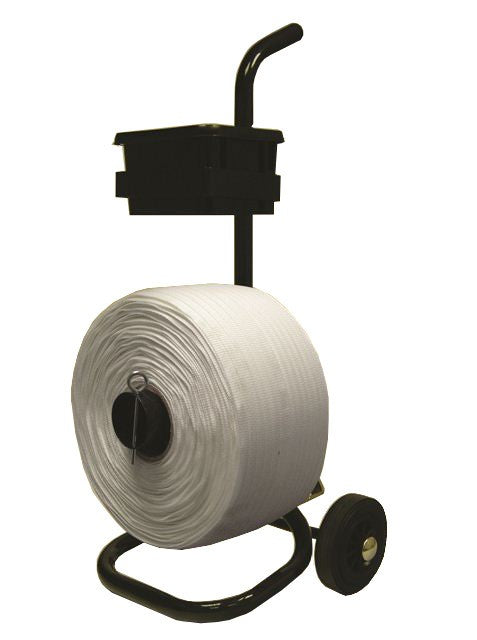
Strapping/Banding Tools/Trollies
16mm P/P & PET Offset Sealer
A 16mm P/P & PET offset sealer is a manual strapping tool designed to crimp (seal) metal seals onto plastic strapping. It is commonly used with polypropylene (PP) and polyester (PET) strap in general-purpose and heavier-duty transit packaging, helping you create a secure, consistent seal around cartons, bundles, pallets and other loads.
This product page may represent multiple configurations of the same tool. The guidance below focuses on how an offset sealer is typically selected and used with PP/PET strapping systems, without assuming a specific strap thickness or seal type beyond what is required for compatibility.
Key Features
Offset jaw design:
Offset sealers use an offset jaw arrangement to apply strong, even compression to the seal. This design is widely used for PP and PET strapping where a reliable crimp is required for transport and storage.
For PP and PET strapping systems:
Designed for use with plastic strapping (polypropylene and polyester). This makes it suitable for many warehouse, distribution and manufacturing environments where plastic strap is preferred over steel.
Works with serrated metal seals:
Offset sealers are typically paired with serrated seals that bite into the strap when crimped, helping prevent slip and improving joint performance when correctly tensioned and sealed.
Hand tool simplicity:
No power supply required. A manual sealer is straightforward to deploy across packing benches, despatch areas, or mobile strapping stations.
Consistent sealing action:
When used with the correct seal size and a compatible tensioner, an offset sealer helps produce repeatable seals—supporting better load stability and fewer strap failures in transit.
- Manual offset sealer for plastic strapping
- Suitable for PP (polypropylene) and PET (polyester) strap
- Designed for 16mm strapping systems
- Typically used with serrated seals
- Ideal for warehouse, despatch and transit packaging
Typical Uses
- Securing cartons and cases for shipment
- Unitising products into bundles (timber, profiles, tubes, long packs)
- Stabilising pallet loads prior to wrapping or dispatch
- General warehouse strapping where a manual toolset is preferred
16mm P/P & PET Offset Sealer — Full Product Guide
Choosing the right sealer is essential for a dependable strapping joint. In a typical PP/PET strapping setup, the tensioner applies strap tension around the load, and the sealer then crimps a metal seal to lock the strap in place. This guide explains how offset sealers fit into that process, what to check for compatibility, and how to get consistent results.
How It Works
An offset sealer is used after the strap has been tensioned. The strap ends overlap through a metal seal. The sealer’s jaws compress the seal, deforming it so it grips the strap. With serrated seals, the internal teeth bite into the strap surface during crimping. The result is a mechanical joint that holds the strap tension and helps keep the load secure.
In most workflows, the steps are:
- Wrap strap around the load and overlap the strap ends.
- Thread a compatible metal seal onto the overlapped strap.
- Use a compatible tensioner to tighten the strap to the required tension.
- Position the offset sealer over the seal and crimp fully to lock the joint.
- Cut the strap (often via the tensioner) and inspect the seal.
Materials and Construction
Offset sealers are built for repeated manual crimping. The tool body and jaws are typically made from robust metal components to withstand high compressive forces. The jaw geometry is designed to form the seal consistently when the handles are fully closed.
Because sealing performance depends on jaw condition and alignment, it’s important to keep the tool clean and periodically check for wear—especially if used in high-volume packing operations.
Strap & Seal Compatibility (What to Check)
For best results, match the tool to the full strapping system:
- Strap width: This sealer is intended for 16mm systems. Always confirm your strap width matches the tool and seal size.
- Strap type: Designed for PP and PET strapping. PP is commonly used for lighter to medium duty applications; PET is often chosen for higher retained tension and heavier loads.
- Seal type: Offset sealers for PP/PET are commonly used with serrated seals. Use the seal style recommended for your strap and tool combination.
- Seal size: The seal must match the strap width and thickness range. An incorrect seal can lead to poor bite, slippage, or inconsistent crimp formation.
- Tensioner pairing: Use a compatible PP/PET tensioner designed for the same strap width and application. Correct tensioning is critical to joint performance.
Floor Type Compatibility
This is a hand tool and can be used in a wide range of environments—packing benches, warehouse floors, loading bays, and mobile packing stations. For best ergonomics and safety, ensure the load is stable and positioned so the operator can apply full handle travel without awkward posture.
Health and Safety
- Hand protection: Wear suitable gloves to reduce risk from sharp strap edges and seals.
- Eye protection: Recommended when tensioning and cutting strap, as strap ends can recoil.
- Pinch points: Keep fingers clear of jaws and seal area during crimping.
- Load stability: Ensure the load cannot shift while tensioning or sealing.
- Training: Operators should be shown correct tensioning and sealing technique to avoid under- or over-tensioning and to ensure consistent crimps.
Ideal Applications and Use Cases
A 16mm PP/PET offset sealer is commonly used where:
- Plastic strapping is preferred for handling, corrosion resistance, and ease of use.
- Manual tools are needed for flexibility across multiple packing points.
- Loads require a dependable mechanical seal for transport.
- Operators need a straightforward, repeatable sealing method.
Typical sectors include warehousing and distribution, manufacturing, building products, printing and packaging, and general logistics.
Maintenance, Cleaning and Care
- Keep jaws clean: Remove debris and strap fragments that can affect crimp formation.
- Inspect jaw faces: Worn or damaged jaws can reduce seal grip and consistency.
- Check alignment: If seals appear unevenly crimped, the tool may need inspection or servicing.
- Store dry: Keep the tool in a clean, dry area to reduce corrosion and contamination.
- Use correct consumables: Correct seals and strap reduce tool strain and improve joint reliability.
Case Study (Example Workflow)
Scenario: A despatch team straps mixed cartons onto pallets for daily carrier collection. They need a manual solution that can be used at multiple packing lanes without power.
- The team selects PP or PET strap depending on load weight and required retained tension.
- A compatible tensioner is used to apply consistent strap tension around the pallet.
- The 16mm offset sealer crimps serrated seals to lock the strap joint.
- Operators perform a quick visual check of the crimp to confirm the seal is fully formed.
Outcome: A repeatable sealing process that supports stable palletisation and reduces the risk of strap slip during handling and transit.
Who Is It For?
- Warehouses and distribution centres needing a reliable manual sealing tool
- Manufacturers strapping cartons, bundles, or pallet loads
- Operations using PP/PET strapping with serrated seals
- Teams wanting a simple, portable tool for multiple work areas
Colours / Features Available
Tool finish and handle styling can vary by production batch. The key functional feature is the offset jaw sealing mechanism designed for 16mm PP/PET strapping systems.
Sizes Available
This listing is for a 16mm offset sealer. If you use other strap widths, select the corresponding sealer size to match your strapping and seals. For best results, confirm strap width, strap type (PP/PET), and seal specification before ordering.
Need help matching the right seals and tensioner?
Contact our team with your strap type and application details, and we can help you select compatible consumables and tools for a complete strapping setup.