

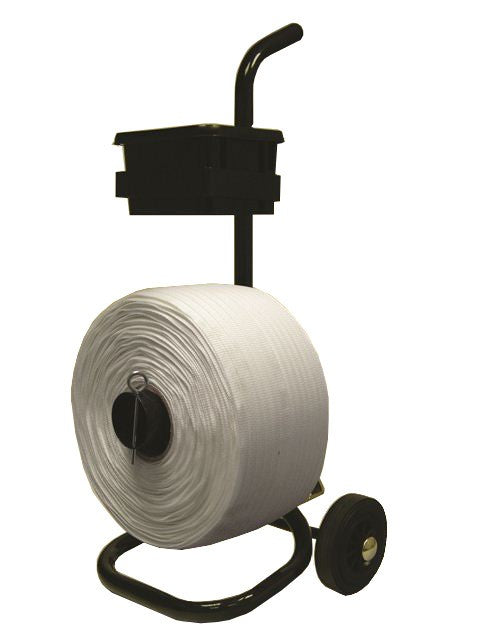
Strapping/Banding Tools/Trollies
Standard Steel Cutter (Steel Strapping/Banding Cutter) — Overview
The Standard Steel Cutter is a dedicated hand tool designed for safely cutting steel strapping (also known as steel banding) used to secure pallets, bundles and heavy loads. It’s a simple, robust accessory for strapping operations—ideal for warehouses, despatch areas and packaging benches where steel strap is applied and needs to be removed or trimmed cleanly.
Steel strapping stores significant tension. Using a purpose-made cutter helps you control the cut, reduce the risk of strap “spring-back”, and achieve a clean finish compared with improvised tools. This product page may cover multiple options/pack quantities, so always select the variant that matches your requirements.
Key Features
Purpose-built for steel strapping
Designed specifically for cutting steel banding used in packaging and palletising, helping you avoid damage to goods and surrounding materials.
Controlled cutting action
A dedicated cutter supports a more predictable cut than general-purpose snips, helping operators manage strap release more safely.
Simple, manual operation
No power required—an easy-to-deploy tool for day-to-day strapping work in busy packing environments.
Workshop/warehouse ready
A practical accessory for strapping stations, maintenance teams and goods-in/out areas where steel strap is frequently handled.
- Steel strapping cutter for packaging and pallet banding tasks
- Manual hand tool—quick to use and easy to store at a strapping station
- Helps improve safety when removing or trimming tensioned steel strap
- Suitable for routine operations in warehouses, factories and distribution
Typical Uses
- Cutting steel strapping during load breakdown and receiving
- Trimming excess strap after sealing (where appropriate to your process)
- Removing steel banding from pallets, crates and bundled products
- Supporting maintenance and rework tasks where steel strap must be removed
Standard Steel Cutter — Full Product Guide
Choosing the right steel strapping cutter is about more than simply “will it cut?” In real packaging environments, you need a tool that supports safe handling, consistent results and efficient workflow. The sections below explain how a standard steel cutter is typically used, what to consider when selecting one, and how to integrate it into a strapping process.
How It Works
A steel strapping cutter is designed to shear through steel banding using a lever action. The tool’s jaws are shaped to bite and cut the strap rather than crush it. In practice, operators position the cutter on the strap at a safe point, maintain control of the strap ends, and then apply steady pressure to complete the cut.
Important: Steel strap can release suddenly when cut. Always follow your site’s safe system of work and wear appropriate PPE.
Materials and Construction
Steel strapping cutters are typically manufactured from hardened steel components to withstand repeated cutting of metal banding. The cutting edges are designed for durability and to maintain performance over time. Many cutters also incorporate shaped handles for grip and control during use.
Because this listing may represent multiple variants, refer to the selected option and any technical notes provided for the exact configuration supplied.
Strap Compatibility (Width/Thickness)
Compatibility depends on the steel strap’s width and thickness (gauge). “Standard” cutters are commonly intended for general packaging strap sizes, while heavier-duty cutters may be required for wider or thicker high-tensile strapping.
Before ordering, confirm:
- The strap width you use most often
- The strap thickness/gauge
- Whether your strap is regular-duty or high-tensile
If you’re unsure, check the strap specification on your strapping coil packaging or consult your strapping tool setup.
Workflow Fit: Where This Tool Sits in a Strapping System
In a typical steel strapping setup, the cutter is used alongside tensioners, sealers and seals (or combination tools). It’s often kept at the strapping station for:
- Removing strap during inspection or rework
- Cutting strap when dismantling inbound loads
- General maintenance tasks around steel banding
Keeping a dedicated cutter available helps reduce downtime and discourages unsafe “workarounds” with unsuitable tools.
Health and Safety
Steel strapping can be hazardous if handled incorrectly. When cutting steel strap, consider the following good practices:
- Wear PPE such as safety glasses and gloves suitable for handling sharp metal edges.
- Control both strap ends where possible to reduce whip/spring-back.
- Cut away from the body and keep bystanders clear of the strap line.
- Dispose of off-cuts safely—steel strap edges can be sharp.
- Use the right tool for the strap—forcing an underspecified cutter can increase risk and damage the tool.
Always follow your organisation’s risk assessment and training requirements.
Ideal Applications and Use Cases
This type of cutter is commonly used in:
- Warehousing & distribution — breaking down palletised inbound goods secured with steel strap
- Manufacturing — bundling heavy products, bar stock, timber packs or fabricated items
- Export packing — steel strapping used on crates and heavy-duty shipments
- Facilities & maintenance — removing banding during equipment moves or storage changes
Maintenance, Cleaning and Care
To keep a steel cutter performing well:
- Keep the jaws clean—wipe away debris and metal fragments after use.
- Inspect cutting edges for nicks or wear; replace the tool if performance degrades.
- Store dry to reduce corrosion risk, especially in humid environments.
- Do not use as a pry bar—misuse can misalign jaws and reduce cutting effectiveness.
Case Study (Typical Scenario)
Inbound pallet breakdown in a busy goods-in area:
A distribution team receives mixed pallets secured with steel banding. By keeping a dedicated steel strapping cutter at the receiving bay, operators can remove straps quickly and consistently while maintaining control of the strap ends. This reduces delays at peak times and supports safer handling compared with improvised cutting methods.
Who Is It For?
- Warehouse teams handling steel-strapped inbound pallets
- Packaging and despatch operators using steel banding for heavy loads
- Manufacturing sites bundling products with steel strap
- Maintenance teams who regularly remove or replace steel banding
Colours / Features Available
Features and finish can vary by manufacturer and batch. Where applicable, the selected variant and images on this page indicate what is supplied.
Sizes Available
This listing may include different pack quantities or related options. Select the variant that matches your purchasing needs. For strap-size compatibility, confirm your strap width and thickness before ordering.
Need Help Choosing?
If you can share the steel strap specification you use (width and thickness/gauge) and whether it’s regular-duty or high-tensile, we can help confirm the most suitable cutter for your application.
Reference note: General industry examples of “standard steel strapping cutters” are commonly specified by strap width and thickness ranges (for example, a standard cutter may be listed for a range of strap widths and thicknesses). Always verify compatibility against your strap specification before use.