

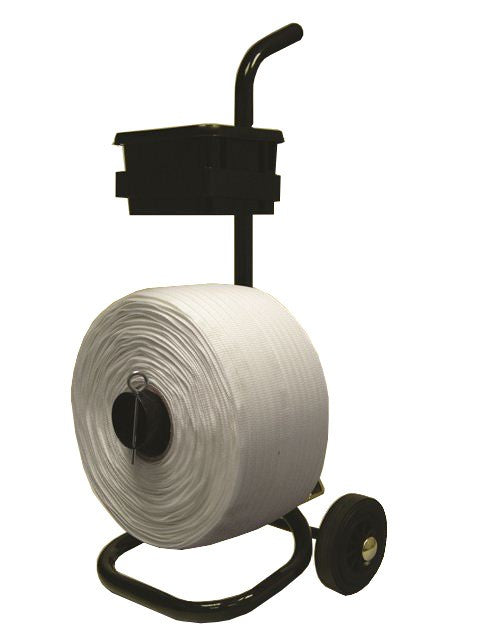
Strapping/Banding Tools/Trollies
Steel Tensioner (for Steel Strapping) — Overview
A steel tensioner is a hand-operated strapping tool designed to pull steel banding tight around a load before the strap is sealed and cut. Used as part of a steel strapping system (typically alongside a compatible sealer and seals), it helps create a firm, secure strap tension for bundling, palletising and stabilising goods in storage and transit.
This product listing is for a Steel Tensioner within the strapping/banding tools range. As configurable product pages can cover multiple strap widths and specifications, please select the correct option for your steel strap and sealing method before ordering.
Key Features
- Manual tensioning control — apply tension progressively so you can snug the strap without over-stressing the load.
- Designed for steel strapping — built for the higher strength and lower stretch characteristics of steel banding.
- Works as part of a complete system — typically used with matching steel seals and a compatible sealer (sold separately unless stated).
- Improves load stability — helps reduce strap slack that can occur during handling and transport.
- Workshop and warehouse friendly — a practical choice for low-to-medium volume strapping where powered tools aren’t required.
Typical Uses
- Bundling metal stock, timber, pipes and building materials
- Securing cartons or heavy items to pallets
- Unitising awkward loads for storage and distribution
- General warehouse, manufacturing and dispatch strapping tasks
Steel Tensioner — Full Product Guide
Choosing the right steel tensioner is mainly about matching the tool to your strap specification and your sealing method. Steel strapping is commonly selected where high strength, heat resistance, sharp-edge tolerance or minimal elongation is required. A suitable tensioner helps you achieve consistent strap tightness, which is essential for reliable sealing and safer handling.
How It Works
In a typical steel strapping workflow, the strap is wrapped around the load and fed into the tensioner. The tool grips the strap and uses a lever or windlass mechanism to pull the free end, increasing tension around the pack. Once the desired tension is reached, the strap is sealed using the appropriate seal and sealer. The strap is then cut to finish the strap cycle (cutting may be integrated into your process depending on the tool set you use).
Important: Steel strapping systems vary. Always ensure your tensioner is compatible with your strap width/thickness and the seal type you intend to use.
Materials and Construction
Steel tensioners are engineered to withstand the forces involved in tensioning steel banding. They typically use robust metal components and hardened gripping surfaces to hold the strap securely during tensioning. This helps reduce slippage and supports repeatable results across multiple straps.
Strap Compatibility (What to Check Before You Buy)
To select the correct tensioner option, confirm the following:
- Strap material: steel strapping/banding
- Strap width: choose the tool variant that matches your strap width option on this page
- Strap thickness/gauge: ensure the tool is rated for your strap thickness (especially for heavier gauges)
- Seal type and sealing method: confirm whether your system uses open seals, snap-on seals, or another method, and pair with the correct sealer
If you are unsure which option fits your current strap and seals, contact us with your strap width and thickness and we can help you match the correct tool.
Floor Type Compatibility
As a hand tool, a steel tensioner can be used in most environments: warehouse floors, loading bays, workshops and outdoor yards. For best results, tension on a stable surface where the load cannot shift during tightening. If you strap on uneven ground, take extra care to keep the strap aligned and the tool square to the strap path.
Health and Safety
Steel strapping can store significant energy when tensioned. Follow safe strapping practices:
- Wear PPE such as gloves and eye protection when tensioning, sealing and cutting steel strap.
- Keep hands clear of the strap line and tool pinch points during tensioning.
- Do not over-tension — excessive tension can damage the load, deform edges, or increase snap-back risk.
- Use the correct seals and sealer for your strap specification to prevent seal failure.
- Inspect strap edges — steel strap can be sharp; handle with care.
Ideal Applications and Use Cases
A steel tensioner is commonly used where you need a strong, tight strap and where plastic strapping may not be suitable. Typical scenarios include:
- Heavy or rigid products that benefit from minimal strap stretch
- Hot or abrasive environments where steel strap performs better than polymer alternatives
- Long-term storage where maintaining tension is important
- Export packing where robust unitisation helps protect goods through multiple handling stages
Maintenance, Cleaning and Care
Regular care helps keep your tensioner operating smoothly:
- Keep gripping surfaces clean — remove dust, oil and debris that can reduce grip.
- Check moving parts for wear and ensure pivots operate freely.
- Store dry to reduce corrosion risk, especially if used outdoors.
- Inspect before use — if the tool slips under load or shows damage, remove from service until checked.
Case Study (Typical Workflow Example)
Scenario: A warehouse dispatch team needs to stabilise mixed cartons on a pallet for courier collection. The cartons are heavy and the pallet may be handled multiple times.
Approach: The team wraps steel strap around the pallet load, uses the steel tensioner to pull the strap tight, then applies the correct seal with a compatible sealer. The result is a firm, stable unit that resists shifting during forklift handling and transit.
Outcome: Improved load integrity and fewer issues with strap slack compared with under-tensioned applications.
Who Is It For?
- Warehouses and distribution centres strapping pallets and heavy consignments
- Manufacturing sites bundling rigid products and components
- Timber, metal and building material suppliers
- Export packers and logistics teams needing robust unitisation
Colours / Features Available
Steel tensioners are functional tools where performance and compatibility matter most. Any finish, colour or minor design differences may vary by batch or supplier; please refer to the product images and selected variant for what is supplied.
Sizes Available
This product page may include multiple options to suit different steel strap specifications. Select the variant that matches your strap width and intended use. If you require guidance on compatibility with your strap and seals, contact us with your strap details and we’ll help you choose the correct option.