

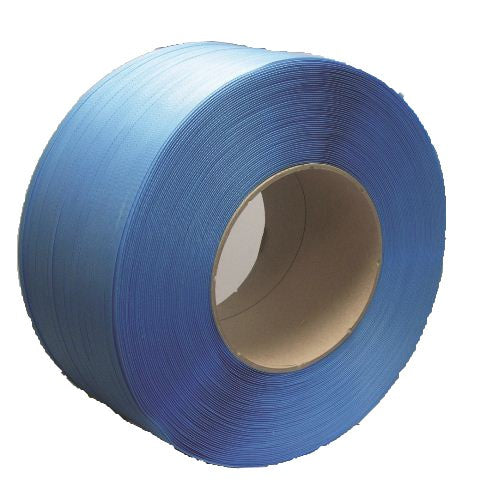
Machine Core Strapping/Banding (Cardboard Core)
White Machine Core Strapping (Cardboard Core) — Overview
White machine core strapping (also referred to as machine strapping/banding) is designed for use with strapping machines to secure cartons, bundles and palletised loads for storage and transit. Supplied on a cardboard core, it is intended to run smoothly through compatible machine dispensers and tensioning systems, helping you apply consistent straps at speed while keeping packaging lines efficient.
This product listing covers machine-core strapping options within the same family (often supplied in multiple roll quantities and potentially multiple specifications). Because configurable product pages can represent more than one option, always confirm the exact strap specification you require (width, thickness, roll length and core size) before ordering.
Key Features
Machine-feed format (cardboard core):
Made for strapping machines that accept machine-core rolls, supporting steady pay-off and repeatable application.
Polypropylene (PP) strapping:
Commonly supplied as PP machine strapping for general-purpose pallet and carton securing where a lightweight, economical strap is preferred.
Clean white appearance:
White strapping is often chosen for a neat presentation, easy visual inspection and clear identification on wrapped loads.
Consistent roll length options:
Machine strapping is typically supplied in long continuous rolls to reduce changeovers and keep throughput high.
Compatible with standard seals and tools:
Depending on your strapping system, PP machine strapping can be used with appropriate heat-weld/friction-weld machine heads or with compatible seals in semi-automatic workflows.
- Designed for machine application (machine-core / cardboard core format)
- General-purpose PP strapping for cartons, bundles and pallet loads
- White colour for a clean, professional finish
- Long roll supply to minimise downtime
- Suitable for many warehouse and dispatch environments
Typical Uses
- Securing cartons for outbound shipping
- Unitising products into bundles for handling and storage
- Stabilising pallet loads prior to stretch wrapping
- General warehouse, fulfilment and distribution strapping tasks
White Machine Core Strapping — Full Product Guide
Choosing the right machine strapping is about matching the strap to your equipment and your load. The sections below explain how machine-core strapping is typically used, what to check for compatibility, and how to get the best performance from your strapping set-up.
How It Works
Machine strapping is fed from a roll through a strapping machine that tensions the strap around a carton or palletised load and then seals it (commonly by heat-weld or friction-weld, depending on the machine). The machine-core roll format is designed to pay off smoothly at consistent tension, supporting reliable strap placement and seal quality.
In many operations, strapping is used alongside stretch wrap, corner protection and edge boards. Strapping provides strong unitisation and helps prevent cartons shifting during handling, while stretch wrap can add containment and dust protection.
Materials and Construction
Material: Polypropylene (PP) is widely used for machine strapping because it is lightweight, economical and suitable for many general-purpose packaging applications. PP strapping is commonly supplied in a range of widths, thicknesses and break strengths to suit different load requirements.
Core: This product is supplied on a cardboard core (machine core). Core dimensions can vary by supplier and machine type, so it’s important to confirm your machine’s core size requirement and roll outer diameter limits.
Finish/colour: White strapping provides a clean look and can make it easier to see strap placement and condition during checks.
Machine & Dispenser Compatibility (What to Check)
- Core size: Ensure the cardboard core dimensions match your machine’s roll holder.
- Strap width: Your machine must be set up for the strap width you intend to run.
- Strap thickness / gauge: Machines have operating ranges; using a strap outside the recommended range can affect tensioning and sealing.
- Seal method: Confirm whether your machine uses heat-weld/friction-weld or requires seals, and choose strap accordingly.
- Tension requirements: Match strap strength to the load and the tension your machine applies.
If you are unsure, check your machine manual or contact your equipment supplier with your current strap specification so you can match like-for-like.
Load & Packaging Considerations
Strapping performance depends on more than just the strap. Consider:
- Load stability: Irregular or compressible loads may need corner/edge protection to prevent strap indentation.
- Carton strength: Ensure cartons can withstand strap tension without crushing.
- Number of straps: Heavier or taller loads may require multiple straps or cross-strapping patterns.
- Environment: Storage conditions (temperature swings, humidity, UV exposure) can influence packaging choices.
Floor Type Compatibility
Machine strapping is used across a wide range of warehouse floors and production environments. For best results, keep the strapping area clear of debris that could interfere with machine feed paths, and ensure pallets and cartons are presented squarely to the machine to avoid misfeeds.
Health and Safety
- Eye protection: Strapping can recoil if cut under tension—use appropriate PPE.
- Safe cutting: Use proper strap cutters and keep hands clear of the tensioned strap path.
- Machine guarding: Follow your strapping machine’s safety guidance and keep guards in place.
- Manual handling: Rolls can be heavy; lift safely and use handling aids where appropriate.
Ideal Applications and Use Cases
White PP machine strapping is commonly used in:
- Warehousing and distribution centres
- E-commerce fulfilment and dispatch
- Manufacturing and assembly operations
- Print, packaging and general industrial shipping
It is typically selected for general-purpose unitising where a cost-effective strap is required and where loads are not so heavy that steel or PET strapping is necessary.
Maintenance, Cleaning and Care
- Store correctly: Keep rolls dry and clean to reduce dust and contamination that can affect machine feed.
- Avoid crushing: Do not stack heavy items on rolls; deformation can cause feeding issues.
- Machine upkeep: Clean feed rollers and guides regularly and inspect the sealing head per manufacturer recommendations.
- Use the right settings: Adjust tension and sealing parameters to suit the strap and the load to reduce strap breaks and poor seals.
Case Study (Typical Workflow Example)
Scenario: A busy dispatch operation straps cartons and stabilises pallets before collection.
- Cartons are strapped to prevent opening and to keep multi-carton consignments together.
- Pallet loads are strapped to improve unitisation, then stretch wrapped for containment.
- Using long machine-core rolls reduces roll-change downtime and helps maintain consistent strap tension across shifts.
Outcome: Improved handling stability and fewer load shifts during transport, with a repeatable, machine-applied strap process.
Who is it for?
- Operations using semi-automatic or automatic strapping machines that accept machine-core (cardboard core) rolls
- Warehouses seeking a clean-looking, general-purpose strapping solution
- Teams aiming to reduce packing time and improve consistency versus manual strapping
Colours / Features Available
This listing is for white machine-core strapping. Depending on the broader range available on the site, machine strapping may also be offered in other colours and specifications for identification or performance needs.
Sizes Available
Machine-core strapping is commonly offered in multiple widths, thicknesses and roll lengths. This product family includes a machine-core roll format on a cardboard core; select the option that matches your machine and load requirements. If you need help matching an existing strap, provide your current strap width, thickness and core size and we can help identify the closest equivalent.