

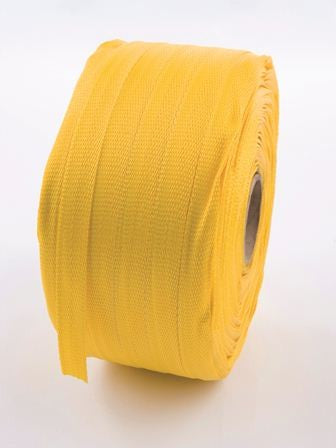
Polyester Machine Strapping/Banding
Polyester Blue Machine Strapping (Machine Grade) — Overview
Polyester (PET) machine strapping is a high-performance plastic strapping designed for use in automatic and semi-automatic strapping equipment. This listing covers a machine-grade PET strap supplied on a machine core, intended for consistent feeding, reliable tensioning and secure sealing in production and dispatch environments. PET strapping is widely used as a modern alternative to steel strapping for many applications because it offers strong retained tension, good elongation and excellent handling characteristics.
This product is a blue polyester machine strapping/banding option in the common machine format (core size shown on the product page). It is typically selected for unitising cartons, stabilising loads on pallets, bundling products and securing goods for storage or transport where dependable strap performance and repeatable machine operation are required.
Key Bullet Points
- Machine-grade PET strapping designed for automatic/semi-automatic strapping systems.
- Consistent feed and tensioning to support repeatable cycle performance.
- Strong retained tension to help keep loads stable during handling and transit.
- Safer handling than steel (no sharp edges, reduced risk of corrosion-related staining).
- Suitable for palletising and unitising cartons, cases and many industrial loads.
- Supplied on a machine core (core dimensions as specified on this product page).
Typical Uses
- Pallet stabilisation for warehousing and distribution
- Securing cartons, cases and boxed goods for shipment
- Bundling long or grouped items (profiles, packs, components)
- General industrial strapping where consistent machine operation is required
Polyester Blue Machine Strapping — Full Product Guide Introduction
Choosing the right machine strapping is about more than just width and thickness. The best results come from matching the strap to your strapping machine, sealing method and the load characteristics (weight, rigidity, edge profile and how the load behaves during transport). This guide explains how polyester machine strapping works, what to consider when selecting it, and how to get reliable performance in day-to-day use.
How It Works
In a strapping cycle, the machine dispenses strap around the pack or pallet, tensions it to a set level, then seals the strap to form a closed loop. Polyester strapping is engineered to run smoothly through guides and tensioning components while maintaining strength and tension retention once applied. In many operations, PET is chosen because it can maintain load stability over time, helping to reduce loosening that can occur as loads settle.
Machine-grade strap is manufactured for consistent dimensions and surface characteristics so it can feed reliably and seal consistently. This consistency is especially important in automated lines where downtime from strap breaks, poor feeding or inconsistent sealing can be costly.
Materials and Construction
This product is made from polyester (PET). PET strapping is a tough, resilient plastic strapping material commonly used for medium to heavy-duty unitising. Compared with some other plastic strapping types, PET is often selected where higher tension and better tension retention are needed.
Machine strapping is supplied on a rigid core to suit strapping dispensers and machine unwind systems. The core size is a key compatibility factor: your machine’s dispenser and strap path must be designed for the core dimensions and strap orientation used.
Machine Compatibility (Core, Feed Path and Sealing)
Before ordering, confirm three essentials:
- Core size compatibility: Ensure your machine accepts the core dimensions stated on this product page.
- Strap dimensions: Your machine must be set up for the strap width and thickness shown in the product title/specification.
- Sealing method: Machines may use friction-weld, heat seal or mechanical sealing systems depending on design. Always match strap type and settings to your machine manufacturer’s recommendations.
If you are changing strap specification (for example, moving from a different thickness), it is good practice to re-check tension settings and seal parameters to maintain consistent performance.
Floor Type Compatibility
Polyester machine strapping is used across a wide range of facilities, from clean packing benches to busy warehouse floors. For best results, keep the strap roll protected from dust and debris that can be picked up during unwinding and carried into the machine’s strap path. In high-dust environments, routine cleaning of the strap track and tensioning components helps maintain smooth feeding and consistent sealing.
Health and Safety
Strapping is a tensioned packaging component and should be handled with care:
- Wear appropriate PPE where required (e.g., gloves and eye protection) when cutting or removing strap.
- Use proper cutting tools designed for strapping to reduce snap-back risk.
- Stand clear when releasing tension on strapped loads, especially where loads may shift.
- Store rolls securely to prevent them from falling or being damaged.
Always follow your site safety procedures and your strapping machine manufacturer’s operating guidance.
Ideal Applications and Use Cases
PET machine strapping is commonly used for:
- Distribution and fulfilment: securing cartons and multi-box consignments for transport.
- Manufacturing and assembly: unitising finished goods or components for internal movement and outbound shipping.
- Warehousing: stabilising pallet loads to reduce shifting during forklift handling.
- General industrial packaging: bundling products where a strong, consistent strap is required.
Where loads have sharp edges, consider edge protectors to reduce strap damage and improve load stability.
Maintenance, Cleaning and Care
Good strap performance depends on both the strap and the machine condition. To help maintain consistent operation:
- Keep strap dry and clean: store in a dry area away from contaminants.
- Avoid impact damage: do not drop rolls; damaged edges can affect feeding.
- Check machine wear parts: worn feed wheels, guides or tensioners can cause inconsistent tension or strap tracking.
- Monitor seal quality: if seals appear inconsistent, review machine settings and strap path cleanliness.
Rotating stock and storing rolls in their protective packaging until use can also help preserve strap condition.
Case Study (Example Workflow)
A typical warehouse dispatch workflow might involve building a pallet of cartons, applying corner/edge protection where needed, then applying one or more straps using a strapping machine to stabilise the load. PET machine strapping is often chosen in this scenario because it can be tensioned effectively and helps maintain stability as the pallet is moved, wrapped and transported. Consistent machine-grade strap can reduce stoppages and improve throughput by supporting reliable feeding and sealing.
Who Is It For?
- Operations using automatic or semi-automatic strapping machines
- Warehouses and manufacturers needing repeatable strapping performance
- Teams looking for a strong plastic strapping option for unitising and pallet stability
Colours / Features Available
This listing is for blue polyester machine strapping. Colour can be useful for quick identification on the packing line and for differentiating strap specifications in multi-strap operations.
Sizes Available
This product page represents a machine strapping option supplied on a machine core. Strap width, thickness and roll length are shown in the product title/specification on this page. If you require a different strap specification or core format for your equipment, select an alternative variant where available or contact us for guidance on matching strap to your machine.
Note: Always verify compatibility with your strapping machine (strap dimensions, core size and sealing method) before ordering.