

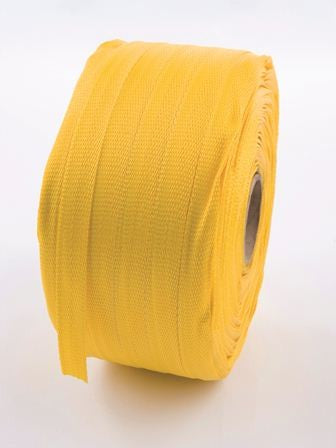
Polyester Machine Strapping/Banding
Polyester Machine Strapping (PET) — Reliable, High-Performance Banding for Automated Packing
Polyester (PET) machine strapping is a modern, high-performance alternative to traditional steel strapping for many palletising and unitising tasks. Designed for use in strapping machines, PET strap delivers consistent tensioning and secure load retention while helping reduce the risks associated with sharp steel edges. This product page covers what PET machine strapping is, how it’s typically used, and what to consider when selecting the right strap for your packaging line.
PET strapping is widely used across warehousing, distribution, manufacturing, and logistics because it combines strength with controlled elongation. That balance helps maintain tension on loads that may settle during transit (for example, cartons compressing slightly on a pallet). Machine-grade PET is produced to run smoothly through compatible semi-automatic and fully automatic strapping equipment, supporting repeatable cycles and dependable seals.
Key Features
Machine-grade consistency:
Manufactured for reliable feeding, tensioning, and sealing in compatible strapping machines, helping reduce downtime and improve throughput.
Strong load retention:
PET strap is commonly chosen for pallet unitising and bundling where dependable strength and maintained tension are required.
Safer handling vs. steel:
PET strapping is lighter and typically easier to handle than steel strapping, with reduced risk of sharp-edge injuries during application and removal.
Shock absorption and controlled stretch:
Polyester’s elongation characteristics can help absorb impacts and vibration during transport, supporting stable loads.
Corrosion resistant:
Unlike steel, PET does not rust, making it suitable for humid environments and export shipments where moisture exposure is possible.
Compatible with common sealing methods:
Machine PET strapping is typically used with heat-seal/friction-weld systems on strapping machines (compatibility depends on your equipment).
Key Features (Bullet Summary)
- Machine-grade PET polyester strapping for automated/semi-automated strapping
- Designed for consistent feeding and tensioning
- Strong, reliable load retention for palletised goods
- Controlled elongation helps maintain tension as loads settle
- Corrosion resistant and suitable for many warehouse environments
- Often selected as a safer, lighter alternative to steel strapping for many applications
Typical Uses
- Pallet unitising for cartons, cases, and boxed goods
- Bundling building materials and manufactured components
- Securing loads for storage, internal transport, and distribution
- General warehouse dispatch strapping where consistent machine application is required
Polyester Machine Strapping — Full Product Guide
Choosing the right strapping is about more than width and roll length. The best results come from matching strap type and grade to your load, your strapping method, and your equipment. Use the guide below to understand how PET machine strapping works and how to specify it correctly for your operation.
How It Works
In a typical machine strapping cycle, the strap is automatically fed around the pack or pallet, tensioned to a set level, then sealed and cut. PET machine strapping is engineered to run smoothly through this process. The strap’s controlled elongation helps it maintain tension over time, which can be especially useful when loads compress slightly after strapping (for example, stacked cartons settling during handling).
Most modern strapping machines for PET use a heat-based sealing method (often friction-weld/heat seal). The machine overlaps the strap ends, applies pressure and heat through friction or a heated element, and forms a strong seal. Always confirm your machine’s strap requirements (surface type, thickness range, core size, and strap width) before ordering.
Materials and Construction
Material: PET (polyethylene terephthalate) polyester strapping.
PET strap is produced as a strong, flexible plastic banding. Machine-grade strap is manufactured with consistent dimensions and surface characteristics to support reliable feeding and sealing. Depending on the product variant and manufacturer, PET strap may be smooth or embossed; both are used in machine applications, but your equipment and sealing method may prefer one surface type over another.
Because PET does not corrode, it is often preferred for environments where moisture is present or where rust staining must be avoided. PET is also lighter than steel, which can make handling and roll changes easier for operators.
Floor Type Compatibility
Strapping itself does not contact the floor, but your overall strapping setup does. PET machine strapping is commonly used in:
- Warehouse packing stations with semi-automatic strapping machines
- Production lines with automatic strapping heads integrated into conveyors
- Dispatch areas where pallets are strapped prior to wrapping or loading
For best performance, ensure your strapping machine is installed on a stable surface and that the strap dispenser/strap path is aligned to prevent twisting, snagging, or inconsistent tension.
Health and Safety
All strapping products should be used with appropriate care. Consider the following good practices:
- Wear suitable PPE (e.g., gloves and eye protection) when handling strapping and cutting seals.
- Use the correct cutting tool and cut away from the body; tensioned strap can recoil when released.
- Do not exceed machine settings recommended for your strap grade; excessive tension can damage cartons or deform loads.
- Train operators on safe roll changes and correct threading for your specific machine.
If you are replacing steel strapping with PET, review your process and load requirements to ensure the strap grade and tension settings are appropriate for the application.
Ideal Applications and Use Cases
PET machine strapping is a strong choice when you need repeatable, machine-applied strapping for palletised or bundled goods. Common use cases include:
- Cartons and cases on pallets: Helps stabilise stacked boxes for storage and transport.
- Manufactured goods: Secures products that need firm retention without the drawbacks of steel corrosion.
- Distribution and logistics: Supports consistent strapping cycles and dependable seals for outbound shipments.
- Loads that settle: PET’s controlled elongation can help maintain tension as the load compresses slightly.
If your loads are extremely heavy, have sharp edges, or require minimal elongation, you may need edge protection, corner boards, or an alternative strapping type. Matching the strap to the load is key.
Maintenance, Cleaning and Care
To get the best performance from machine strapping, focus on both strap storage and machine upkeep:
- Store rolls correctly: Keep strapping dry, clean, and protected from contamination that could affect feeding or sealing.
- Avoid crushing the roll: Do not stack heavy items on strap coils; deformation can cause feeding issues.
- Keep the strap path clean: Dust and debris can reduce sealing quality and increase wear on guides and rollers.
- Check sealing components: Worn heaters/friction parts and dirty sealing surfaces can lead to weak seals.
- Verify tension settings: Re-check settings when changing strap grade or when strapping different loads.
When troubleshooting, look for common symptoms such as inconsistent tension, strap tracking issues, or poor seals. These are often resolved by confirming strap compatibility, re-threading correctly, and cleaning or servicing the strapping head.
Case Study (Typical Example)
A warehouse dispatch team straps mixed cartons on pallets before stretch wrapping. After switching to machine-grade PET strapping and standardising machine tension settings, they achieve more consistent strap placement and improved load stability during internal handling. By focusing on correct threading, routine cleaning of the strap path, and using a strap grade suited to their carton compression, they reduce rework caused by loose straps and improve packing-line efficiency.
Note: Results depend on load type, machine settings, and correct strap selection.
Who is it for?
- Warehouses and distribution centres using semi-automatic or automatic strapping machines
- Manufacturers strapping pallet loads or bundling products for shipment
- Operations seeking a strong, corrosion-resistant strapping option for general packaging
- Teams looking for consistent machine performance and repeatable sealing
Colours / Features Available
Polyester strapping is commonly supplied in standard industry colours (often green), though availability can vary by product and supplier. If colour is important for identification or process control, confirm the available options for this listing before ordering.
Sizes Available
This listing represents a machine-grade PET strapping option within a broader family of polyester strapping sizes and specifications. Strapping is typically specified by:
- Width (e.g., 16 mm)
- Roll length (e.g., 1000 m)
- Thickness / gauge (varies by strap grade)
- Core size (must match your machine/dispenser)
If you are unsure which strap specification your machine requires, check your strapping machine manual or contact your service provider with your machine model and current strap details.
Specification and Compatibility Notes
- Confirm your machine supports the strap width and thickness range for this product.
- Confirm the required core size and winding direction for your dispenser or machine.
- For best results, pair PET strap with appropriate edge protection on sharp corners and use suitable pallet stability methods (wrap, corner boards, etc.).
Need help matching strap to your equipment? Provide your machine make/model and the strap you currently use, and we can help identify the closest compatible option.