

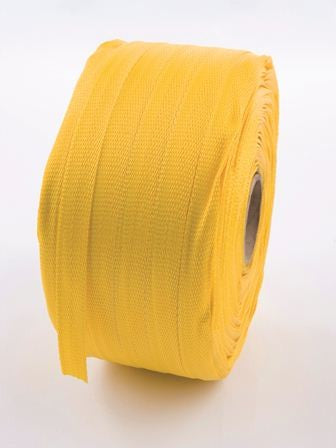
Polyester Machine Strapping/Banding
Polyester Machine Strapping (PET) — Reliable, High-Performance Pallet Banding
Polyester (PET) machine strapping is a popular choice for securing palletised loads where consistent tension, dependable holding force, and efficient automated application are important. Designed for use with compatible strapping machines, PET strapping helps stabilise cartons, cases, and unitised goods during handling, storage, and transport. It is commonly selected as an alternative to steel strapping for many general industrial and logistics applications, offering strong load retention with excellent shock absorption and recovery.
This product page represents a machine-grade polyester strapping option supplied on a reel for automated or semi-automated strapping systems. PET strapping is widely used across warehousing, distribution, manufacturing, and export packing because it can maintain tension on loads that may settle or compress over time. When correctly applied with the right seals or friction-weld settings (depending on your equipment), it provides a secure, professional finish for routine pallet stabilisation.
Key Features
Machine-grade consistency:
Manufactured for reliable feeding and performance in compatible strapping machines, helping reduce downtime and improve throughput in busy packing areas.
Strong load retention:
PET strapping is designed to hold loads firmly, supporting stable palletisation for cartons and packaged goods during internal handling and onward distribution.
Excellent shock absorption:
Polyester strapping can absorb impacts and vibrations better than rigid strapping types, helping protect loads during transit and reducing the risk of strap failure from sudden shocks.
Tension recovery:
PET strapping is known for its ability to recover tension after minor load movement or settling, which can be beneficial for loads that compress slightly over time.
Steel alternative for many uses:
Often chosen where steel strapping is not required, PET can provide a strong, safer-to-handle option for many general packaging and pallet securing tasks.
Professional finish:
When paired with the correct machine settings and joining method, PET strapping delivers neat, consistent straps that support a tidy, secure pallet presentation.
Key Features (Bullet Summary)
- Machine-grade PET strapping supplied on a reel for automated/semi-automated use
- Designed for consistent feeding and dependable application
- Strong holding force for pallet stabilisation and unitising
- Shock-absorbing performance to help protect loads in transit
- Tension recovery to help maintain strap tightness as loads settle
- Commonly used across warehousing, distribution, and manufacturing
Typical Uses
- Securing cartons and cases to pallets for storage and transport
- Unitising multiple packs or bundles into a single stable load
- General warehouse dispatch strapping for outbound shipments
- Manufacturing end-of-line strapping where repeatability matters
- Export packing where vibration resistance and load stability are important
Polyester Machine Strapping — Full Product Guide
Introduction
Choosing the right strapping is about matching the strap type to your load, your equipment, and your handling conditions. Polyester (PET) machine strapping is widely used for pallet stabilisation because it combines strong load retention with the ability to absorb shocks and maintain tension. This guide explains how PET machine strapping is typically used, what to consider when selecting it, and how to get the best performance from your strapping process.
How It Works
Machine strapping is applied using automated or semi-automated equipment that feeds the strap around the load, tensions it to a set level, and then joins the strap ends. Depending on the machine type, joining may be achieved using friction welding (heat generated by rapid movement) or with seals/clips designed for PET strapping. Once joined, the strap maintains tension around the load to help prevent shifting during handling.
PET strapping is particularly valued for its ability to handle dynamic forces. During transport, pallets can experience vibration, braking forces, and minor impacts. PET’s shock-absorbing behaviour can help reduce the likelihood of sudden strap failure and can support more stable load containment when compared with more rigid strapping types.
Materials and Construction
Polyester strapping (often referred to as PET strapping) is a plastic strapping material engineered for strength and performance in packaging applications. Machine-grade PET is produced to consistent dimensions and winding quality so it can run smoothly through strapping equipment. Many PET straps are embossed to improve handling and performance in tensioning and sealing processes; always match the strap style to your machine’s requirements.
Because this is a configurable product page, the exact strap dimensions and reel length may vary by selection. Always confirm the strap width, thickness, and reel length shown in the variant you choose, and ensure it matches your machine specification.
Equipment Compatibility and Setup
For best results, confirm compatibility across three areas:
- Strap size compatibility: Your machine must be designed for the strap width and thickness you intend to use.
- Core and reel fit: Ensure the reel core size and winding orientation suit your dispenser or machine feed system.
- Joining method: Use the correct sealing method (friction weld settings or appropriate seals) recommended for PET strapping.
Correct tension settings are essential. Too little tension can allow load movement; too much tension can damage cartons, crush product, or overstress the strap. If you are strapping compressible loads (for example, some boxed goods), consider using corner protectors or edge boards to distribute pressure and protect packaging.
Floor Type Compatibility (Warehouse Practicalities)
In real-world packing areas, the floor environment affects strapping efficiency. PET machine strapping is commonly used in warehouses with concrete floors and high traffic. To keep operations smooth:
- Store reels in a clean, dry area to reduce dust contamination that can affect machine feed paths.
- Keep the strapping zone clear of debris that could snag strap loops or interfere with pallet movement.
- Use appropriate pallet positioning and guides so the strap tracks consistently around the load.
If your process involves moving pallets on pallet trucks or forklifts immediately after strapping, ensure straps are positioned to avoid contact with forks or sharp pallet edges.
Health and Safety
Strapping is a high-tension packaging method, so safe handling matters:
- Eye protection: Consider eye protection when cutting or removing straps, as tension release can cause recoil.
- Cutting tools: Use proper strap cutters rather than knives to reduce injury risk and prevent product damage.
- Machine guarding: Follow your machine manufacturer’s safety guidance for guarding, maintenance, and operator training.
- Load stability: Strap only stable, correctly stacked pallets; strapping cannot compensate for unsafe stacking.
Always dispose of used strapping responsibly and keep offcuts away from walkways to reduce slip and trip hazards.
Ideal Applications and Use Cases
PET machine strapping is commonly used for:
- Distribution and fulfilment: Fast, repeatable pallet strapping for outbound shipments.
- Manufacturing end-of-line: Unitising finished goods for internal transfer or dispatch.
- General industrial packaging: Securing cartons, cases, and packaged components.
- Export packing: Supporting load stability where vibration and handling cycles are expected.
It is especially useful where loads may settle slightly (for example, stacked cartons) and where maintaining tension over time helps keep the pallet tight.
Maintenance, Cleaning and Care
To maintain consistent strapping performance:
- Store correctly: Keep reels dry and away from direct sunlight or heat sources that could affect material performance.
- Keep machines clean: Dust and debris can affect feed rollers, guides, and weld areas; follow routine cleaning schedules.
- Check wear parts: Inspect tensioning components and guides for wear that could cause inconsistent tension or strap tracking.
- Verify settings: If you change strap specification, re-check tension and sealing/weld settings to match the new strap.
Good housekeeping around the strapping station reduces jams and helps operators work safely and efficiently.
Case Study (Typical Warehouse Scenario)
A busy dispatch operation shipping mixed cartons on pallets needs a strap that can be applied quickly and consistently. By using machine-grade PET strapping, the team can strap pallets at the end of the packing line with repeatable tension and a neat finish. The shock-absorbing nature of PET helps the load remain stable during forklift handling and vehicle transport, while tension recovery supports load containment if cartons settle slightly after stacking.
This type of setup is common in distribution centres where throughput and consistency are priorities, and where a machine-applied strap supports a professional, secure pallet presentation.
Who is it for?
- Warehouses and distribution centres using strapping machines for pallet stabilisation
- Manufacturers strapping finished goods at end-of-line
- Export packers needing dependable load containment for transport
- Operations seeking a strong, shock-absorbing strapping option for general packaging
Colours / Features Available
PET strapping is commonly supplied in colours such as green and may be embossed depending on specification. The available options on this page may include different strap dimensions and reel lengths. Please select the variant that matches your machine requirements and packaging needs.
Sizes Available
This is a configurable product listing that may include multiple strap specifications. Please refer to the variant options for the strap width, thickness, and reel length available. If you require a specific strap specification for your machine or application, choose the closest matching option shown or contact us for guidance on selecting the correct machine strapping.
Need help choosing the right strapping?
If you can share your strapping machine model, the strap size you currently use, and the type of load you are securing, we can help you select a compatible PET machine strapping option and any suitable accessories (such as seals, corner protectors, or dispensers) to support your process.