

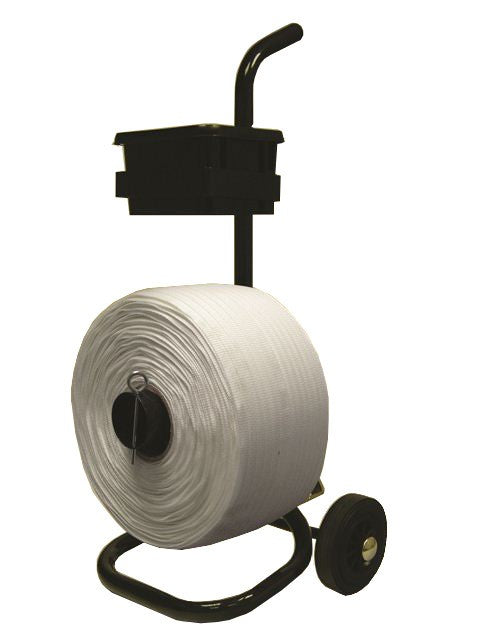
Strapping/Banding Tools/Trollies
25–50mm Extra Wide P/P & Polyester Tensioner — Overview
This extra-wide tensioner is designed for banding and strapping applications where wider polypropylene (P/P) and polyester strapping is used to secure loads for storage and transport. It is intended to help you apply controlled tension to the strap so packs can be stabilised and kept tight during handling. As a strapping/banding tool, it is commonly used alongside compatible buckles/seals and other strapping accessories depending on the strap system in use.
Because this listing can cover multiple strap widths within the extra-wide range, the guidance below focuses on general selection and best practice rather than a single fixed size.
Key Features
- Extra-wide strap compatibility: Suitable for wider P/P and polyester strapping used in heavy-duty bundling and load restraint.
- Controlled tensioning: Helps remove slack and apply repeatable tension for a tighter, more stable pack.
- Tool-based consistency: A practical option when you want more consistent results than hand-pulling strap.
- Works as part of a system: Typically used with the appropriate buckles/seals and strapping type for the application.
- Warehouse-friendly: Well suited to packing benches, dispatch areas, and on-site banding tasks.
Typical Uses
- Securing cartons, bundles, and palletised loads with wide strapping
- Stabilising awkward or compressible products prior to wrapping or shipping
- Banding building materials, timber packs, and long items (where wide strap is preferred)
- General warehouse and distribution strapping where a hand tool is required
25–50mm Extra Wide P/P & Polyester Tensioner — Full Product Guide
Choosing the right tensioner is about matching the tool to your strap type, strap width range, and the way you intend to seal the strap. Extra-wide strapping is often selected when you want improved load contact area, reduced risk of strap edge damage on softer packs, or higher restraint performance compared with narrower strap systems.
How It Works
A tensioner is used after the strap has been placed around the load and the strap ends have been fed through the chosen closure method (for example, a buckle or seal, depending on the strapping system). The tool grips the strap and allows you to apply tension mechanically. Once the desired tension is achieved, the strap is secured using the appropriate closure method for the strap type, and the excess strap is dealt with according to your process (cutting may be performed by a separate cutter or integrated tool depending on the system).
For best results, aim for firm, even tension that stabilises the load without crushing cartons or deforming the product. If you are strapping compressible goods, consider tensioning in stages and checking pack integrity as you go.
Materials and Construction
Extra-wide tensioners are built for repeated use in packing and dispatch environments. In general, tools in this category use robust metal components at the gripping and tensioning points to withstand the higher forces associated with wider strapping. Keeping the gripping surfaces clean and free from strap debris helps maintain consistent performance and reduces slippage.
Strap Type Compatibility (P/P vs Polyester)
This product is described for use with P/P and polyester strapping. In practice, “polyester” can refer to different strap families depending on your supply chain:
- P/P (polypropylene) strapping: Common for general-purpose bundling and lighter-to-medium duty pallet restraint. It is typically more elastic than PET and can be suitable where some give is acceptable.
- Polyester strapping: This may refer to PET plastic strapping or textile/composite polyester strapping depending on the system. Tooling and sealing methods can differ between these strap types.
If you are unsure which polyester strap you are using (PET vs textile/composite), check the strap description on your reels or speak with your strap supplier so the correct closure method is selected.
Closure Methods: Buckles, Seals, and System Selection
A tensioner is only one part of the strapping system. The closure method must match the strap type and the performance you need:
- Buckles (common with textile/composite polyester): Often used where a strong mechanical lock is required without crimping metal seals.
- Seals (often used with plastic strapping systems): May require a compatible sealer/crimper tool depending on the strap and seal type.
Always confirm compatibility between strap width range, strap thickness, and the closure hardware you intend to use.
Floor Type Compatibility
This is a hand tool intended for use in typical packing environments such as warehouses, workshops, and loading bays. For best ergonomics and safety, tensioning is easiest when the load is stable and accessible on a pallet, bench, or packing station. If you are working on uneven ground or outdoors, ensure the load cannot shift during tensioning.
Health and Safety
- Eye protection: Strapping can recoil if released suddenly; eye protection is recommended during tensioning and cutting operations.
- Hand safety: Keep fingers clear of gripping jaws, moving levers, and strap edges.
- Load stability: Ensure the pack is stable before applying tension; shifting loads can cause loss of control.
- Controlled release: Never release tension abruptly. Follow your site procedure for safe strap removal.
Ideal Applications and Use Cases
Extra-wide strapping tools are typically chosen when you need a wider strap footprint or when your packaging specification calls for wide banding. Common scenarios include:
- Pallet stabilisation: Adding one or more wide straps to reduce movement during transport.
- Bundling long products: Keeping lengths aligned and preventing splaying.
- Protecting softer packs: Wider strap can help distribute pressure over a larger area.
- Export preparation: Supporting secondary containment alongside stretch wrap, edge protection, and corner boards.
Maintenance, Cleaning and Care
- Keep gripping areas clean: Remove strap dust and fragments to reduce slippage.
- Inspect wear points: Check grippers and moving joints for wear, especially if used daily.
- Lubrication: If your site maintenance procedure allows, keep pivot points operating smoothly (avoid contaminating strap contact surfaces).
- Storage: Store the tool dry and protected from impacts to maintain alignment.
Case Study (Typical Workflow Example)
Scenario: A dispatch team needs to stabilise mixed cartons on a pallet prior to carrier collection.
- The pallet is squared and edge protection is added where straps will contact corners.
- Wide strap is fed around the pallet and through the chosen closure hardware.
- The tensioner is applied and tension is increased gradually until cartons are held firmly without crushing.
- The closure is secured using the correct method for the strap system.
- The pallet is then stretch wrapped for additional containment.
This approach helps reduce load shift while keeping the pack presentable and less prone to damage.
Who Is It For?
- Warehouses and distribution centres that strap pallets or bundles regularly
- Manufacturers bundling products for internal movement or outbound shipping
- Packaging teams needing a hand tool for wide strapping applications
Colours / Features Available
Tool colour and finish can vary by production batch. Function and compatibility should be prioritised over cosmetic appearance.
Sizes Available
This listing covers an extra-wide tensioner suitable for a range of strap widths within the stated range. Select the variant that matches your strap width and your strapping system. If you use multiple strap widths on site, consider standardising on the strap size range that best fits your most common loads.
Need help choosing?
If you tell us the strap type (P/P, PET, or textile/composite polyester), strap width, and how you plan to seal it (buckles or seals), we can help confirm the most suitable setup.