

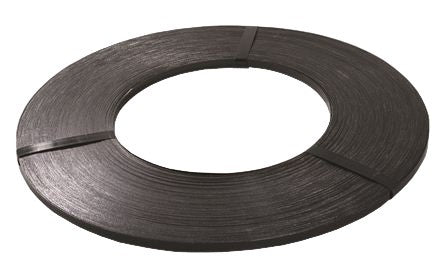
Steel Strapping/Banding
Oscillation Wound Steel Strapping (Steel Banding) — Overview
Oscillation wound steel strapping is a heavy-duty steel banding solution designed for securing, bundling and unitising demanding loads where high strength and minimal stretch are important. This product page represents an oscillation wound coil of steel strapping (also commonly referred to as mill wound/oscillation wound steel strap) supplied for industrial packaging and load restraint applications.
Steel strapping is widely used across manufacturing, warehousing and distribution environments for stabilising products during handling, storage and transport. Compared with many plastic strapping options, steel strap is typically selected when you need very firm load retention, strong edge-to-edge tension transfer and reliable performance on rigid or heavy items.
Key Bullet Points
- Heavy-duty load retention: Steel strapping is commonly chosen for demanding unitising and bundling tasks where high strength and low elongation help keep loads stable.
- Oscillation wound coil format: Cross-wound (oscillated) coils are designed to pack a long length of strap into a compact coil, helping reduce coil changeovers in higher-throughput environments.
- Industrial compatibility: Suitable for use with steel strapping seals and tools that match the strap width and thickness range used on your line.
- Secure handling and transport: Helps maintain tension and load integrity through movement, vibration and stacking.
- Versatile across sectors: Commonly used for metals, building materials, timber products, machinery and export packing where robust restraint is required.
Typical Uses
- Bundling bars, rods, tubes and profiles
- Unitising heavy cartons or rigid packs on pallets
- Securing metal products and fabricated components
- Strapping building materials and construction products
- Export packing where firm, low-stretch restraint is preferred
Oscillation Wound Steel Strapping — Full Product Guide
Choosing the right steel strapping is about matching the strap format to your load, your application method and your working environment. The guidance below explains how oscillation wound steel strapping is typically used, what to consider when selecting tools and accessories, and how to get consistent results in day-to-day packing operations.
How It Works
Steel strapping works by applying tension around a load and locking that tension in place using a seal-and-crimp joint or a sealless joint (depending on the tool system). Once tensioned, steel strap provides firm restraint with minimal stretch, helping to keep rigid or heavy items stable during handling and transport.
Oscillation wound coils are wound in a cross pattern across the coil width. This winding style is commonly used to increase the amount of strap per coil and reduce the frequency of coil changes, which can be beneficial in production or warehouse environments where strapping is performed regularly.
Materials and Construction
Steel strapping is typically produced from cold-rolled low-carbon steel and supplied in coils. Depending on the grade and finish, steel strap can be optimised for general unitising, higher strength requirements, or improved corrosion resistance. Many industrial ranges offer finishes such as painted-and-waxed or zinc-coated options; the exact finish for this listing will depend on the variant supplied.
Because steel strap is a metal product, it is important to handle coils carefully and use appropriate PPE and dispensing equipment. Correct storage also helps maintain strap condition and consistent feeding through tools.
Floor Type Compatibility
Steel strapping can be used in a wide range of packing areas, from warehouse benches to end-of-line packing stations. For best results, use a stable, level working surface and a suitable dispenser/trolley designed for steel coils. In higher-throughput areas, a dedicated strapping station can help keep tools, seals and edge protectors organised and reduce handling time.
If you strap loads on uneven floors or in outdoor yards, consider how you will keep the coil clean and protected from moisture and debris, and ensure the dispenser is appropriate for the environment.
Health and Safety
Steel strapping is strong and can store significant energy when tensioned. Follow safe working practices:
- Wear PPE: Gloves and eye protection are commonly recommended when handling steel strap and cutting tensioned bands.
- Use the right cutter: Use a cutter designed for steel strapping and stand to the side when cutting a tensioned strap.
- Control strap ends: Keep strap tails controlled to reduce the risk of recoil.
- Use edge protection: Corner/edge protectors help reduce product damage and can improve strap stability on sharp edges.
- Match tools and seals: Ensure your tensioner/sealer and seals are rated for the strap width and thickness you are using.
Ideal Applications and Use Cases
Steel strapping is commonly selected for loads that are heavy, rigid, sharp-edged, or where minimal elongation is important. Typical use cases include:
- Metals and fabrication: Bundling and unitising metal products such as bars, tubes, profiles and fabricated parts.
- Building materials: Securing construction products where firm restraint helps maintain pack integrity.
- Timber and engineered wood: Unitising packs where strong tension retention is beneficial.
- Machinery and industrial goods: Stabilising heavy items for internal movement or shipment.
- Export packing: Applications where robust restraint and consistent tension are preferred.
If your load is prone to settling or compression, review whether steel strap is the best choice for maintaining tension over time, and consider using appropriate edge protection and strapping patterns.
Maintenance, Cleaning and Care
Steel strapping itself is a consumable, but good storage and handling practices help maintain performance:
- Store coils dry: Keep coils in a dry area and protect from moisture to reduce the risk of corrosion.
- Keep coils clean: Avoid contamination with grit or debris that can affect feeding and tool performance.
- Use a proper dispenser: A suitable dispenser helps prevent coil damage and improves operator control.
- Maintain tools: Keep tensioners/sealers clean and serviced according to the manufacturer’s guidance for consistent joints.
Case Study (Typical Scenario)
A warehouse shipping heavy fabricated components needs a strapping solution that holds tension firmly during forklift handling and transport. By using oscillation wound steel strapping on a dispenser, operators can strap multiple pallets with fewer coil changes. Adding edge protectors helps prevent strap marking on sharp corners and improves overall pack presentation. The result is a stable, secure unit load that is easier to handle and less likely to shift in transit.
Who Is It For?
- Manufacturers and warehouses shipping heavy or rigid products
- Metalworking and fabrication operations bundling steel products
- Distribution centres that require firm, low-stretch load restraint
- Export packers and industrial shippers needing robust unitising
Colours / Features Available
Steel strapping is typically supplied with industrial finishes rather than decorative colours. Depending on the strap grade and finish, you may see options such as painted-and-waxed or zinc-coated variants in broader ranges. Please refer to the variant details on this page for the exact specification supplied.
Sizes Available
This product page may represent multiple variants within the same steel strapping family. Select the option that matches your required strap width, thickness and coil length. If you are matching an existing tool or seal system, confirm compatibility with your chosen strap specification before ordering.
Selection Tips (Practical Buying Guide)
- Match the strap to the load: Heavier or sharper-edged loads typically require stronger restraint and appropriate edge protection.
- Confirm tool compatibility: Check your tensioner/sealer is rated for the strap width and thickness range you intend to use.
- Choose the right joint method: Seal-and-crimp and sealless systems have different requirements for tools and strap grade.
- Plan your strapping pattern: Consider the number of straps, strap placement and whether cross-strapping is needed for stability.
- Consider throughput: Oscillation wound coils can help reduce changeovers where strapping is frequent.
Need help choosing? If you can share your load type, approximate weight, edge condition (sharp/soft), and whether you strap manually or on a line, it’s easier to recommend a suitable steel strapping specification and the right seals/tools to match.