

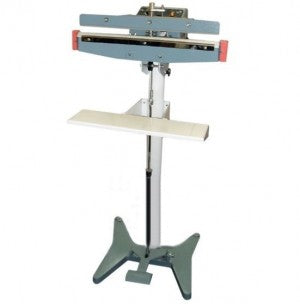
Heat Sealers
300mm Hand Impulse Heat Sealer (Hand-Operated) — Overview
A hand impulse heat sealer is a simple, reliable way to create neat, consistent seals on many common packaging films. This 300mm hand-operated impulse sealer is designed for sealing polythene bags and layflat tubing, producing a clean seal line across the mouth of the pack. Impulse sealing means the element only heats when the handle is pressed, so there’s no constant hot bar and no warm-up period required before use. This makes it a practical choice for low-to-medium volume packing benches, despatch areas, workshops, and retail back rooms where you want fast, repeatable sealing without complex setup.
On Sapphire this product page may represent multiple variants of the same sealer (for example, different pack quantities). The core machine specification remains focused on a 300mm sealing length with a narrow seal band, and an adjustable timer to help you match heat time to the thickness of the film you’re sealing.
Key Features
300mm sealing length
A 300mm (approx. 12") seal length is ideal for a wide range of small-to-medium bags and for sealing layflat tubing to create custom-length packs.
Impulse heat technology (no warm-up)
Impulse sealers heat only during the sealing cycle. This helps reduce idle energy use and keeps the work area more comfortable compared with constant-heat sealers.
Adjustable timer control
An adjustable timer lets you fine-tune the sealing time for different film gauges. Thicker films typically need a longer impulse time; thinner films need less to avoid distortion.
Consistent, tidy seals
A narrow seal band is designed to create a clean, professional finish suitable for general packaging and presentation.
Bench-top, hand-operated format
A straightforward lever action makes it easy to use at a packing bench without specialist training.
- Seal length: 300mm
- Seal width: 2mm (typical for this style of 300mm impulse sealer)
- Operation: hand-operated impulse sealing with timer control
- Typical materials: polythene bags and layflat tubing (and similar heat-sealable films)
Typical Uses
- Sealing polythene bags for parts, components, and general goods
- Creating custom-length packs from layflat tubing (seal one end, fill, then seal the other)
- Retail and e-commerce packing benches for tidy, tamper-evident style closures (where appropriate)
- Workshops and stores needing quick, repeatable bag sealing without a constant hot bar
300mm Hand Impulse Heat Sealer — Full Product Guide
Choosing the right heat sealer is mostly about matching the sealing method to your film type, pack size, and throughput. A 300mm hand impulse sealer is a popular “go-to” option because it balances a useful sealing length with a compact bench footprint and simple operation. Below is a practical guide to help you get the best results and understand where this style of sealer fits in a packaging process.
How It Works
Impulse sealing uses a heating element that energises only when you press the handle down to start a sealing cycle. The timer controls how long the element heats. Once the cycle completes, you typically keep the handle down briefly to allow the seal to cool and set. This cooling step is important: it helps the molten film fuse properly and reduces the chance of a weak seal or “peel-back” when the bag is handled.
Because the element is not continuously hot, impulse sealers are often preferred for general-purpose bag sealing where you want quick start-up and a safer-feeling work area. They are also well suited to intermittent use—seal a few bags, pause, then continue—without needing to manage a constantly heated bar.
Materials and Construction
Most hand impulse sealers in this class use a replaceable heating element and a PTFE (Teflon) cover/strip to prevent film sticking to the hot surface during the impulse. The PTFE layer is a consumable: over time it can wear, scorch, or crease, especially if the sealer is used heavily or if the timer is set too high for the film thickness. Keeping the PTFE in good condition helps maintain clean seals and protects the element.
Impulse sealers are typically designed for heat-sealable films such as polythene. If you are sealing specialist laminates or barrier films, it’s worth checking whether the film is suitable for impulse sealing and whether a wider seal band or different sealing technology is recommended for your application.
Film Type and Thickness Guidance
The adjustable timer is your main control for different film gauges. As a general rule:
- Thin films need a shorter impulse time to avoid wrinkling, burn-through, or excessive shrink at the seal line.
- Thicker films need a longer impulse time to fully fuse the layers and create a strong seal.
If you change bag type or thickness, re-test your settings. A quick “seal test” (seal, cool, then gently pull) is a simple way to confirm you’re getting a consistent bond without overheating.
Floor Type Compatibility
This is a bench-top, hand-operated unit intended to sit on a stable work surface. For best results, place it on a flat bench at a comfortable working height with enough space in front of the sealer to support the bag or tubing. If you are sealing longer or heavier packs, consider adding a simple support surface (such as a smooth board) so the film stays flat and aligned during sealing.
Health and Safety
- Pinch points: Keep fingers clear of the sealing arm and hinge area during operation.
- Hot surfaces: Although impulse sealers are not continuously hot, the sealing area can become hot during and immediately after a cycle.
- Ventilation: Use in a well-ventilated area, especially if sealing films that may emit odours when heated.
- Electrical safety: Ensure the unit is used with an appropriate power supply and that the cable is not strained across walkways.
Always follow your site’s safety procedures and any instructions supplied with the equipment.
Ideal Applications and Use Cases
A 300mm hand impulse sealer is a strong fit when you need a dependable, manual sealing solution without moving to a foot-operated or automated system. Typical scenarios include:
- Small production runs: Bagging and sealing parts, kits, and components.
- Despatch and fulfilment: Sealing protective inner bags for items before boxing.
- Retail back-of-house: Creating neat, sealed packs for storage or presentation.
- Warehousing: Sealing spares, labels, and small items to keep them clean and organised.
Maintenance, Cleaning and Care
Routine care helps keep seals consistent and extends the life of consumable parts:
- Keep the sealing area clean: Remove dust and film fragments so the seal line stays even.
- Inspect the PTFE strip: Replace if it becomes worn, torn, or sticky, as this can cause poor seals and damage the element.
- Check the element condition: If seals become intermittent or incomplete even with correct timer settings, the element may need replacement.
- Use correct timer settings: Overheating can shorten PTFE and element life and can distort the film.
If you are sealing continuously for long periods, allow the unit to cool periodically as part of good practice.
Case Study (Example Workflow)
Scenario: A small e-commerce operation uses layflat tubing to create custom-length protective inner packs for mixed-size items.
- The operator cuts tubing to length, seals one end, and creates a batch of “open-top” sleeves.
- Items are inserted, then the open end is sealed to create a tidy, dust-resistant pack.
- The adjustable timer is set once for the chosen tubing gauge, then checked periodically with a quick pull test.
Outcome: The business achieves consistent seals and a more professional presentation without investing in larger automated equipment.
Who Is It For?
- Businesses needing a straightforward, manual heat sealing solution
- Packing benches sealing polythene bags or layflat tubing
- Users who want impulse sealing convenience (no warm-up, heat only during the cycle)
- Operations that value repeatability and a clean seal finish
Colours / Features Available
Product appearance and minor features can vary by batch and supplier specification. The key functional features for this listing are the hand-operated impulse sealing action, the 300mm sealing length, and the adjustable timer control.
Sizes Available
This listing is for a 300mm sealing-length hand impulse sealer. Sapphire product pages may include variants (for example, different pack quantities). If you need a different sealing length, seal width, or a foot-operated model for higher throughput, consider browsing Sapphire’s wider heat sealer range.
Need help choosing?
If you can share the film type (e.g., polythene bag or layflat tubing) and approximate thickness, we can help you select the most suitable sealer and suggest a starting timer setting for testing.