

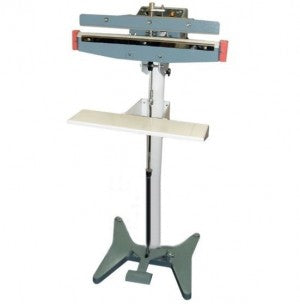
Heat Sealers
Overview
The 400mm Hand Operated Heat Sealer is a bench-top, manual sealing machine designed to create strong, consistent seals on heat-sealable packaging films and bags. It’s a practical choice for packing benches, despatch areas, workshops, and small production environments where you need reliable sealing without the footprint or complexity of larger automated equipment. With a 400mm sealing length, it’s well suited to sealing a wide range of bag widths and layflat tubing (where applicable), helping you close and protect products for storage, transit, or presentation.
This style of sealer is commonly used for sealing polythene and similar heat-sealable materials. Operation is straightforward: position the open end of the bag across the sealing bar, lower the arm to apply pressure, and allow the machine to complete the sealing cycle. The result is a neat, tamper-evident style closure that can improve pack integrity and reduce the risk of contamination, moisture ingress, or product loss during handling.
Key Features
400mm sealing length
Provides a generous seal span for many common bag formats, making it a versatile option for general packing tasks.
Hand-operated control
Manual lever operation gives the user direct control and repeatability—ideal for low to medium throughput where flexibility matters.
Clean, professional finish
Creates a straight, uniform seal line that improves presentation and helps keep packs securely closed.
Bench-top practicality
Designed for use on a packing bench or worktable, supporting efficient workflows in despatch and production areas.
Suitable for heat-sealable packaging
Commonly used with polythene and other heat-sealable films (always test your specific material for best results).
- Manual, bench-top heat sealing for everyday packing
- 400mm seal length for wider bags and packaging formats
- Helps improve pack security and presentation
- Simple operation for quick staff training
- Useful across stores, warehouses, workshops, and light production
Typical Uses
- Sealing polythene bags for parts, components, and consumables
- Closing packs for despatch and courier shipments
- Packaging printed materials, brochures, and documents
- Protecting items from dust and handling during storage
- Creating neat, sealed packs for retail back-of-house operations
400mm Hand Operated Heat Sealer — Full Product Guide
Introduction
A dependable heat sealer is one of the most useful tools on a packing bench. Whether you’re sealing small batches or supporting day-to-day despatch, a hand operated heat sealer helps you close bags quickly and consistently. This 400mm model is aimed at users who want a wider sealing capacity than compact sealers, while keeping operation simple and manual.
How It Works
Hand operated heat sealers typically use a timed heating cycle to fuse the inner surfaces of a heat-sealable film together. In practice, you place the open end of the bag across the sealing area, lower the arm to apply pressure, and the machine completes the seal. Once the cycle is finished, you lift the arm and remove the sealed pack.
For best results, ensure the film is flat and free from creases in the seal zone. If your bag contains bulky items, keep the product clear of the sealing line so the film layers can bond properly.
Materials and Construction
This product is designed for sealing heat-sealable packaging films commonly used in packing and despatch. Polythene is a typical material for this type of sealer, but performance can vary depending on film thickness, additives, and surface finishes. If you use multiple bag types, it’s good practice to run a quick test seal when switching materials.
As a bench-top unit, it’s intended to be positioned on a stable, level surface. Keeping the sealing area clean and free from debris helps maintain consistent seal quality.
Film / Bag Compatibility
Heat sealers are generally used with heat-sealable bags and films. Compatibility depends on the material and thickness of the film you’re sealing. If you’re unsure whether your packaging is suitable, test a sample and check for:
- A continuous seal line with no gaps
- Good bond strength (the seal should resist peeling under normal handling)
- No excessive scorching or distortion of the film
If you need to seal very thick films or specialist laminates, you may require a different sealing technology or a higher-duty model. For standard polythene bag sealing, this style of sealer is widely used.
Health and Safety
As with any heat sealing equipment, the sealing area can become hot during operation. Follow workplace safety practices:
- Allow the unit to cool before cleaning or moving it
- Keep hands clear of the sealing bar during operation
- Use on a stable bench to prevent slips or tipping
- Ensure the power supply and cable routing are safe in the work area
If the sealer is used by multiple operators, a short training note on correct positioning of bags and safe operation can help maintain consistent results.
Ideal Applications and Use Cases
This 400mm hand operated heat sealer is a strong fit for environments that need flexibility and a professional finish without investing in automated sealing lines. Typical users include:
- Warehouses and despatch teams sealing outgoing goods
- Engineering and maintenance departments packaging parts
- Retail stockrooms preparing items for storage or transfer
- Small manufacturers and assemblers packing components
- Offices and print rooms sealing document packs
The wider sealing length is particularly helpful when you regularly seal larger bags or want extra room to position products comfortably away from the seal line.
Maintenance, Cleaning and Care
Routine care helps keep seals consistent and extends service life:
- Keep the sealing area clean: Remove dust and film fragments from the sealing zone once the unit is cool.
- Check seal quality regularly: If seals become inconsistent, review bag positioning and ensure the film is flat.
- Use appropriate settings and technique: Different films may require different sealing time/heat; test when changing materials.
- Store sensibly: If the unit is moved between workstations, protect it from knocks and keep it dry.
If you operate in a high-use environment, keeping a simple checklist for daily/weekly checks can reduce downtime and improve pack consistency.
Case Study (Example Workflow)
Scenario: A small despatch area ships mixed items daily—spare parts, boxed components, and printed paperwork. The team needs a quick way to close protective bags for items that don’t require cartons.
Approach: The sealer is placed at the end of the packing bench. Operators bag items, align the open edge, and seal before applying labels.
Outcome: Packs are closed neatly and consistently, reducing the chance of items slipping out during handling and improving presentation for customers.
Who Is It For?
- Teams that need dependable sealing with minimal setup
- Users sealing a variety of bag widths up to the machine’s sealing length
- Workplaces that value a tidy, professional pack finish
- Operations where manual control is preferred over automation
Colours / Features Available
This listing may represent a configurable product with multiple options. If your workflow requires additional features (for example, a cutter variant), check the available options on the product page or contact the team for guidance on the best match for your packaging.
Sizes Available
This product is the 400mm sealing-length model. If you need a different sealing length or a different style of sealer for your materials and throughput, explore the wider heat sealer range to compare options.
Need help choosing?
If you can share the film type and approximate thickness (or a sample bag specification), it’s easier to confirm suitability and recommend the most appropriate sealing approach for your application.