

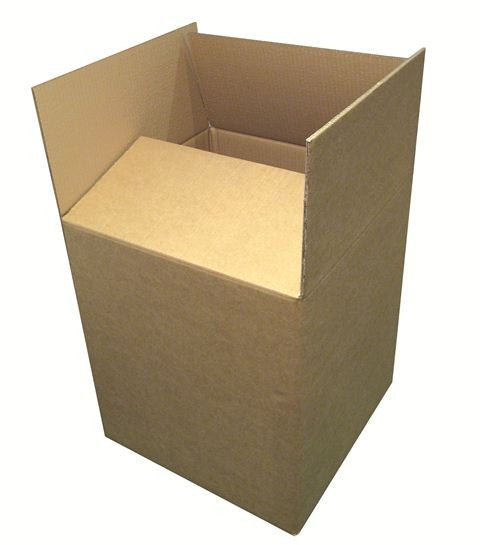
Double Wall Boxes/Cartons
Heavy-Duty Double Wall Carton (Cube) — Product Overview
This listing is for a robust, double wall corrugated carton designed for demanding packing and shipping tasks where extra strength and rigidity are required. The cube-style format makes it a versatile choice for a wide range of items, helping you pack efficiently while maintaining balanced load distribution during handling, storage and transit.
Double wall corrugated board uses two fluted layers between linerboards, creating a thicker structure than standard single wall cartons. This added structure improves resistance to crushing, punctures and deformation—particularly useful when cartons may be stacked, moved multiple times, or shipped through carrier networks.
Key Bullet Points
- Double wall strength: Two fluted corrugated layers for improved rigidity and protection compared with single wall cartons.
- Excellent stacking performance: Better shape retention under load, helping cartons stay square in storage and transit.
- Enhanced crush resistance: Helps protect contents when cartons are palletised or exposed to compression forces.
- Improved puncture protection: Thicker board helps reduce damage from knocks, edges and impacts.
- Versatile cube format: A practical all-rounder for packing mixed items, boxed goods, and irregular shapes with void fill.
- Ideal for heavier or fragile items: A strong outer carton that pairs well with internal cushioning for breakables.
Typical Uses
- Shipping heavier products that need a stronger outer carton
- Protecting fragile items (with appropriate internal cushioning)
- Warehouse storage and stock transfers where cartons may be stacked
- Moving and relocation packing for bulky household items
- Industrial parts, tools, and boxed components
- Export or long-distance distribution where handling cycles are higher
Double Wall Carton — Full Product Guide Introduction
Choosing the right carton is one of the simplest ways to reduce damage, improve packing speed and keep shipments looking professional on arrival. A double wall carton is commonly selected when a standard single wall box may be at risk of bowing, crushing or splitting—especially with heavier contents, sharp edges, or when cartons are stacked in storage or on pallets.
This guide explains how double wall cartons work, how to get the best performance from them, and how to match packing methods to your product and distribution environment.
How It Works
Corrugated cartons protect contents by combining a lightweight structure with engineered stiffness. In a double wall carton, two fluted corrugated layers sit between linerboards. This creates a thicker panel that resists bending and compression more effectively than single wall board.
In practical terms, the double wall construction helps the carton:
- Stay square when lifted and carried
- Hold its shape better when stacked
- Absorb knocks and impacts more effectively
- Reduce the likelihood of punctures from corners or protruding items
While the carton provides strong external protection, the best results come from combining it with suitable internal packing (void fill, cushioning, or inserts) matched to the item being shipped.
Materials and Construction
This product is a corrugated cardboard carton made from double wall board. Double wall board is built from:
- Outer liner: The external facing that provides surface strength and helps resist scuffs.
- Two fluted mediums: The corrugated “waves” that provide cushioning and compression resistance.
- Inner liner: The internal facing that supports the structure and provides a clean packing surface.
Because there are two fluted layers, the board is thicker and typically more rigid than single wall cartons. This makes it a strong choice for heavier loads and more demanding distribution conditions.
Floor Type Compatibility
Cartons are used across many environments—from packing benches to warehouse floors and loading bays. For best performance:
- Warehouse racking and pallet storage: Double wall cartons are well suited to stacked storage where compression forces can be higher.
- Concrete floors and loading areas: Use care when sliding cartons; consider palletising or using trolleys to reduce abrasion.
- Office/retail backrooms: The cube format is easy to handle and store, especially when used with consistent packing methods.
If cartons will be stored directly on floors, keep them away from damp areas and allow airflow to help maintain board strength.
Health and Safety
Safe packing protects both people and products. When using heavy-duty cartons:
- Manual handling: Avoid overfilling. If the packed carton becomes too heavy, split the contents across multiple cartons.
- Sharp edges: If packing items with corners or protrusions, add edge protection or extra cushioning to reduce puncture risk.
- Sealing: Use appropriate carton sealing tape and apply it correctly (see “Maintenance, Cleaning and Care”).
- Stacking: Stack on stable, level surfaces and avoid uneven loads that can cause cartons to lean or collapse.
Double wall cartons improve protection, but they should still be packed and sealed to suit the weight and distribution method.
Ideal Applications and Use Cases
Double wall cartons are commonly chosen for:
- Heavier shipments: Where extra rigidity helps prevent bulging and panel deformation.
- Fragile goods: As a strong outer carton used alongside internal cushioning (bubble wrap, foam, paper, or inserts).
- Long-distance shipping: Where parcels may be handled multiple times and exposed to stacking pressure.
- Palletised distribution: Where cartons may be strapped or stretch-wrapped and stacked in layers.
- Returns and reverse logistics: Where a stronger carton can better survive multiple journeys.
The cube shape is particularly useful when you want balanced packing and predictable stacking, and when you need room for void fill around the product.
Maintenance, Cleaning and Care
Corrugated cartons are designed for packing and shipping rather than long-term “maintenance,” but good handling practices help you get the best performance:
- Store flat and dry: Keep cartons in a clean, dry area away from moisture. Damp board loses strength.
- Assemble correctly: Fold along creases and ensure panels sit square before sealing.
- Seal with the right method: For most shipping applications, use a strong packing tape and apply an “H-tape” seal (tape along the centre seam and across both edge seams) for improved closure strength.
- Use void fill: Prevent movement inside the carton. Movement increases impact damage risk.
- Don’t overload: Even heavy-duty cartons have limits; match the carton to the load and handling conditions.
If you need additional protection, consider pairing the carton with internal dividers, corner protectors, or cushioning materials.
Case Study (Typical Packing Scenario)
Scenario: A business ships mixed boxed items and components that vary in shape and weight. Parcels are collected daily and travel through a carrier network with multiple handling points.
Challenge: Single wall cartons can bow under weight, and corners may soften or deform when stacked, increasing the risk of damage and returns.
Approach: Switching to a double wall carton provides a stronger outer shell. The packer adds void fill to prevent movement and uses a reinforced sealing method for closure strength.
Result: Improved carton rigidity and better resistance to compression and knocks during transit, helping reduce damage risk and maintain a professional appearance on delivery.
Who Is It For?
- Warehouses and fulfilment teams shipping heavier parcels
- E-commerce sellers wanting stronger protection for carrier networks
- Manufacturers shipping parts, tools, or boxed components
- Businesses sending fragile items that require a stronger outer carton
- Home movers and storage users needing a sturdier carton option
Colours / Features Available
These cartons are supplied in a standard corrugated cardboard finish. Product variants on this page may include different pack quantities and related options. If you require specific features (e.g., printed branding, bespoke specifications, or internal fittings), consider contacting the team to discuss availability.
Sizes Available
This product page may represent a configurable carton range. Please select the required option from the available variants on the page. If you need alternative dimensions or bespoke solutions, you may be able to request custom sizes depending on volume and lead time.
Packing Tips for Best Results
- Match the carton to the contents: Choose a carton that allows space for protective cushioning without excessive empty volume.
- Protect corners and edges: Use corner protectors or extra wrap for items with sharp edges.
- Stabilise the load: Fill voids so the contents cannot shift when the carton is shaken gently.
- Label clearly: Apply shipping labels to a clean, flat surface and consider handling labels for fragile goods.
- Palletise when appropriate: For multiple cartons, palletising and stretch-wrapping can reduce handling damage.
Note: Double wall cartons provide improved protection, but fragile items still require suitable internal cushioning and careful packing methods.