

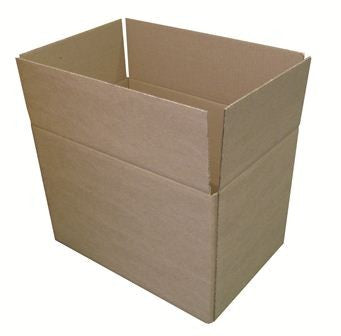
Single Wall Boxes/Cartons
203 × 152 × 102 mm (8 × 6 × 4) Single Wall Cartons — Overview
These single wall cartons are a compact, versatile corrugated box option designed for everyday packing, storage and despatch. The 203 × 152 × 102 mm footprint (commonly referenced as 8 × 6 × 4) makes them a practical choice when you need a neat, space-efficient carton for smaller items, components and boxed goods. As a single wall construction, they’re intended for general-purpose protection and are widely used across e-commerce, trade counters, workshops and stockrooms.
Single wall cartons are popular because they balance protection, weight and cost. They’re easy to assemble, straightforward to tape closed, and compatible with common void-fill and cushioning materials. If you’re shipping products, these cartons can help present items professionally while keeping packaging size under control.
Key Features (at a glance)
- Compact, practical carton size — ideal for smaller products and parts where oversized packaging would waste space.
- Single wall corrugated construction — a dependable everyday option for packing, storage and distribution.
- Easy to assemble and seal — folds quickly and closes neatly with standard packing tape.
- Works well with protective packaging — pair with paper, bubble wrap, foam or air pillows to suit your item.
- Professional presentation — a clean, consistent carton helps keep orders tidy and organised.
Typical Uses
- Small e-commerce orders and subscription items
- Spare parts, fittings, fasteners and components
- Cosmetics, toiletries and small retail goods (with appropriate internal protection)
- Workshop and stockroom storage for small items
- Bundling multiple small items into one shipment
203 × 152 × 102 mm Single Wall Cartons — Full Product Guide
Choosing the right carton is about more than just dimensions. The best results come from matching the box style and board grade to your product’s weight, fragility and shipping method. This guide explains how single wall cartons like this one are typically used, how to get the best performance from them, and what to consider when packing for storage or transit.
How It Works
A single wall carton is made from one layer of corrugated board (a fluted medium sandwiched between two liners). This structure provides rigidity and cushioning compared with plain paperboard, helping the carton resist knocks and minor compression during handling. The box is supplied flat, then folded along pre-scored lines to form the base and sides. Once erected, the carton is sealed with tape (or other closure methods depending on your packing process).
For best results, aim for a snug fit: the item should sit securely without excessive movement. If there is spare space, add void fill so the contents don’t rattle or shift. This reduces the chance of damage and helps the carton keep its shape.
Materials and Construction
These cartons are described as single wall, which is a common corrugated format used for general packing. Single wall board is widely chosen for its balance of strength and efficiency. It is typically suitable for many day-to-day packing tasks, especially when combined with appropriate internal protection for delicate items.
Because corrugated board performance depends on factors such as board grade, flute profile and how the carton is packed, the most reliable approach is to match the carton to your application and test with your own products and carriers. If you regularly ship heavier or highly fragile items, you may prefer a stronger board grade or a double wall option.
Floor Type Compatibility (Warehouse & Packing Bench)
Cartons like these are designed for use in typical packing environments: packing benches, shelving, picking stations and warehouse floors. They stack neatly when assembled and can be stored flat to save space. If you’re building a repeatable packing process, keeping a consistent carton size can speed up picking and reduce packing errors.
Tip: Store flat cartons in a dry area and avoid placing them directly on damp floors. Moisture can reduce board strength and affect how well tape adheres.
Health and Safety
Good packing practice helps protect both your products and your team:
- Manual handling: Keep packed cartons within safe lifting limits for your workplace and staff. If items are dense or awkward, consider smaller pack sizes or team lifting.
- Cutting tools: Use safety knives when opening cartons or trimming tape to reduce the risk of injury.
- Stacking: Stack cartons evenly on stable surfaces. Avoid over-stacking if the contents are heavy or if cartons may be exposed to compression.
Ideal Applications and Use Cases
This carton size is commonly selected when you want a compact outer pack for smaller goods. It can be especially useful when:
- You want to reduce dimensional weight or avoid shipping “air” by using a right-sized carton.
- You need a tidy box for trade counter sales, spares kits or sample packs.
- You’re organising inventory into small, labelled cartons for shelving.
- You’re sending multiple small items together and want a single, easy-to-handle package.
If your product is fragile (for example, glass, ceramics or precision components), add cushioning and consider double-boxing for higher-risk carrier networks.
Maintenance, Cleaning and Care
Corrugated cartons are designed for practical, single-use shipping and storage, but you can extend performance by handling them correctly:
- Keep dry: Store cartons away from moisture and humidity where possible.
- Use the right tape: A quality packing tape improves seal integrity and helps prevent accidental opening.
- Reinforce when needed: For heavier contents, consider taping seams thoroughly and using an “H-tape” method on the top and bottom.
- Avoid overfilling: Overfilled cartons can bulge, making them harder to stack and more likely to split.
Case Study (Example Packing Workflow)
Scenario: A small online retailer ships compact items daily and wants a consistent, professional pack that’s quick to assemble.
- Pick: Items are picked into a tote and brought to the packing bench.
- Pack: The carton is erected, the base is taped, and the item is placed centrally.
- Protect: Void fill is added to prevent movement and protect corners.
- Seal & label: The top is taped, shipping label applied, and the carton is ready for despatch.
Outcome: A right-sized carton reduces wasted space, improves presentation, and helps keep packing time consistent.
Who Is It For?
- E-commerce sellers who want a compact, repeatable carton size for small orders
- Workshops and engineers packing parts, fittings and components
- Retailers needing a neat outer carton for stock transfers or customer orders
- Offices and facilities teams organising supplies and small equipment
Colours / Features Available
This listing is for single wall cartons. Depending on how the product is configured, options may include different pack quantities or related variants. For the most accurate selection, choose the variant that matches your required quantity and ordering preference.
Sizes Available
This product page represents a specific carton size (203 × 152 × 102 mm / 8 × 6 × 4). If you need alternative sizes for a better fit, consider selecting another carton size from the same range of single wall boxes.
Packing tip: If you’re between sizes, choose the carton that allows a small amount of space for protective packaging rather than forcing a tight fit that could crush corners or strain seams.