

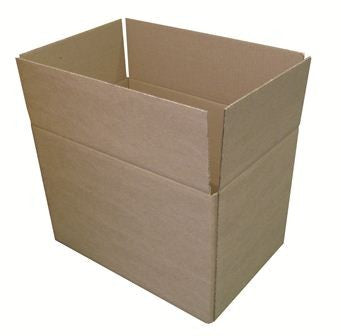
Single Wall Boxes/Cartons
455x300x175 (18x12x7) Single Wall Cartons — Overview
These single wall corrugated cartons provide a practical, everyday shipping and storage solution for businesses that need a dependable box for packing, protecting and presenting goods. The 455 x 300 x 175mm footprint (often referenced as 18 x 12 x 7 inches) is a versatile format that suits a wide range of products, from boxed items and components to general warehouse pick-and-pack orders.
Single wall cartons are designed to balance strength, weight and cost. They are commonly chosen for routine distribution where you want reliable protection in transit without the added material of double wall board. This makes them a popular choice for eCommerce fulfilment, retail distribution, parts storage and general-purpose packing.
Key Features
Single wall corrugated construction
A single wall carton uses one fluted corrugated layer between two liners, creating a strong structure that helps resist knocks and compression during handling and transport.
Versatile carton size
The 455 x 300 x 175mm format is widely used for packing a broad mix of items. It offers a generous base area with a moderate height, helping you build stable packs and reduce wasted void space for many common products.
Efficient for packing and dispatch
A straightforward carton style supports fast assembly and consistent packing processes—ideal for busy despatch benches and warehouse operations.
Professional presentation
A clean, uniform outer carton helps create a tidy, consistent look for outgoing orders and stored inventory.
Compatible with standard packing materials
Single wall cartons pair well with common protective packaging such as void fill, paper cushioning, bubble wrap, foam, and packing peanuts, allowing you to tailor protection to the fragility of your goods.
Key Features (Bullet Summary)
- Single wall corrugated carton for everyday packing and shipping
- Popular footprint for warehouse pick/pack and general distribution
- Supports efficient packing workflows and consistent presentation
- Works well with standard void fill and protective packaging
- Suitable for storage, fulfilment and transit protection in routine handling conditions
Typical Uses
- eCommerce fulfilment and parcel despatch
- Retail distribution and stock replenishment
- Warehouse storage and inventory organisation
- Shipping boxed products, components and general goods
- Internal transfers between sites, departments or production areas
455x300x175 (18x12x7) Single Wall Cartons — Full Product Guide
Choosing the right carton is about more than just matching dimensions. The best results come from selecting a box that supports your packing method, protects your goods, and performs reliably through handling, storage and distribution. This guide explains how single wall cartons work, what to consider when packing, and how to get the most from this carton size in day-to-day operations.
How It Works
Corrugated cartons protect goods by combining a lightweight structure with a rigid, impact-absorbing core. The fluted layer acts like a series of arches, helping the carton resist crushing forces and providing cushioning against knocks. When packed correctly, the carton and the internal protective materials work together to reduce movement and protect edges and corners—areas that are most vulnerable during transit.
For best performance, aim for a snug fit: choose a carton that allows enough room for protective packaging while minimising empty space. Excess void can lead to shifting contents, which increases the risk of damage.
Materials and Construction
Single wall cartons are made from corrugated board consisting of:
- Outer liner — provides surface strength and helps resist scuffs and punctures.
- Fluted medium — the corrugated inner layer that adds rigidity and cushioning.
- Inner liner — supports the structure and helps protect the contents from the inside.
This construction is widely used because it offers a strong, economical solution for many packing tasks. For heavier loads or more demanding distribution environments, some operations may choose double wall cartons; however, single wall remains the go-to option for a large proportion of everyday shipments.
Floor Type Compatibility
In warehouses and packing areas, cartons are often moved across different surfaces. This carton format is commonly used in environments such as:
- Concrete warehouse floors — suitable for standard pick/pack and staging areas.
- Racking and shelving — a stable footprint helps with neat stacking and storage.
- Palletised handling — cartons can be stacked on pallets for bulk movement and distribution.
Where cartons are frequently dragged or pushed across rough surfaces, consider using appropriate handling methods (trolleys, pallet trucks) to reduce abrasion and maintain carton integrity.
Health and Safety
Safe packing and handling helps protect both staff and goods:
- Manual handling — avoid overfilling cartons beyond safe lifting limits; distribute weight evenly.
- Sealing — use suitable packing tape and apply consistent sealing patterns to reduce the chance of opening during transit.
- Stacking — stack cartons squarely and avoid overhanging edges; keep heavier cartons lower in a stack.
- Workstation setup — keep tape, labels and void fill within easy reach to reduce repetitive strain.
If you ship fragile or high-value items, consider adding handling labels and using internal protection to reduce movement and impact.
Ideal Applications and Use Cases
This carton size is often selected when you need a practical balance between capacity and manageability. It can be a strong choice for:
- General goods — boxed items, packaged products, and non-fragile components.
- Multi-item orders — combining several smaller items into one shipment.
- Subscription and repeat shipments — consistent carton sizing supports repeatable packing processes.
- Spare parts and components — keeping items organised and protected in storage and transit.
As with any carton, suitability depends on the weight, fragility and distribution conditions of your specific products.
Maintenance, Cleaning and Care
Corrugated cartons are designed for packing and shipping rather than long-term exposure to harsh conditions. To keep cartons performing well:
- Store flat and dry — keep cartons away from damp areas to maintain board strength.
- Avoid crushing — do not place heavy loads on flat-packed cartons during storage.
- Use clean handling practices — keep packing areas free from spills that could weaken board.
- Rotate stock — use older cartons first to keep packaging in best condition.
If cartons become wet, heavily creased, or damaged, replace them to maintain protection and presentation.
Case Study (Example Workflow)
Scenario: A small fulfilment team ships a mix of consumer products daily. They need a carton that is quick to assemble, stacks neatly on a packing bench, and provides reliable protection for routine courier networks.
Approach: The team standardises on this carton footprint for a large portion of orders. Packers add a base layer of cushioning, place items centrally, fill remaining void to prevent movement, and seal using a consistent tape pattern. This reduces packing time, improves consistency, and helps minimise damage claims caused by shifting contents.
Result: A repeatable packing process with a professional presentation and dependable performance for everyday shipments.
Who Is It For?
- eCommerce retailers and marketplace sellers
- Warehouses and distribution centres
- Manufacturers shipping parts and components
- Offices and facilities teams managing internal logistics
- Any business needing a reliable, general-purpose single wall carton
Colours / Features Available
Cartons in this category are supplied as standard shipping cartons. Availability of specific finishes or features can vary by configuration. If you require a particular presentation, labelling approach, or packing method, consider how you will apply shipping labels, branding, or handling instructions.
Sizes Available
This product page represents a carton size within a configurable range of single wall cartons. Select the required option(s) on the page for the exact configuration available. If you are comparing sizes, remember that carton dimensions may be referenced in millimetres and inches for convenience.
If you need help choosing the best carton size for your product, a good starting point is to measure your packed item(s) and allow space for protective packaging while keeping the fit as compact as practical.
Packing tip: For improved transit performance, aim to immobilise contents using appropriate void fill and ensure the carton is sealed securely along all main seams.