

Equiptment
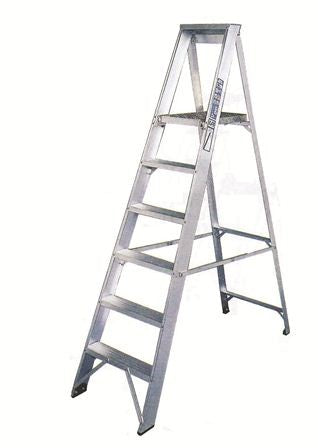
Access Ladder — 6 Tread
An access ladder is a practical, stable way to reach elevated work areas where a standard step stool isn’t suitable. This 6‑tread access ladder is designed to provide a comfortable climbing angle and a secure standing position for routine access tasks in industrial, warehouse, facilities, and site environments. It’s commonly selected for stock picking, maintenance checks, plant-room access, and general “reach and work” duties where you need a dependable set of steps that can be moved into position quickly.
Because this listing may cover configurable options (for example, different specifications or finishes), the guidance below focuses on how this type of ladder is typically used and what to look for when choosing and operating an access ladder safely.
Key Features
6-tread climbing height
A 6‑tread format is a popular choice for day‑to‑day access because it offers a useful working height without becoming cumbersome to position or store.
Designed for frequent access
Access ladders are intended for repeated climbs during a shift, helping teams work more efficiently than repeatedly repositioning a portable ladder for short tasks.
Stable, step-based access
Compared with improvised solutions, purpose-built steps provide a more predictable footing pattern and a consistent ascent/descent route.
Suitable for many workplace settings
Often used in warehouses, workshops, loading areas, and facilities maintenance where controlled access is required.
Simple to integrate into site routines
A dedicated access ladder supports standard operating procedures for routine checks, replenishment, and light maintenance tasks.
Key Features (Bullet Summary)
- 6‑tread access ladder format for regular workplace access tasks
- Step-based design intended for repeated climbs
- Practical option for warehouses, workshops, and facilities environments
- Helps standardise safe access for routine operations
Typical Uses
- Warehouse picking and replenishment at mid-level shelving
- Facilities and building maintenance checks (lighting, vents, signage)
- Workshop access for inspection and light servicing tasks
- Stockrooms and back-of-house access where space is limited
Access Ladder — Full Product Guide
Choosing the right access ladder is about matching the ladder to the task, the environment, and the people using it. The sections below outline practical considerations to help you specify an access ladder that supports safe, repeatable access in your workplace.
How It Works
An access ladder provides a fixed sequence of treads that guide the user’s ascent and descent. In use, the ladder is positioned at the point of work, the user climbs the steps while maintaining controlled movement, and then performs the task from an appropriate standing position. For repeated tasks—such as picking, scanning, checking, or light maintenance—this approach can be more efficient than repeatedly setting up a portable ladder for short-duration access.
For best practice, always follow your site’s working-at-height procedures and ensure the ladder is used only for the type of work it is intended for.
Materials and Construction
Access ladders are commonly manufactured for durability in workplace conditions. When assessing construction, consider:
- Frame rigidity: A stable frame helps reduce movement during climbing and working.
- Tread design: Look for consistent tread spacing and a surface that supports secure footing.
- Finish and protection: Depending on the environment, corrosion resistance and easy-clean surfaces may be important.
If your site has specific requirements (for example, food production, clean areas, or outdoor exposure), align the ladder specification with those conditions.
Floor Type Compatibility
Real-world performance depends heavily on the floor surface. Before selecting and deploying an access ladder, check:
- Surface condition: Smooth sealed floors, painted concrete, and textured industrial floors can behave differently under load.
- Contamination risks: Dust, shrink-wrap fragments, oils, or moisture can reduce traction.
- Levelness: Uneven floors can affect stability and should be addressed through safe positioning and site controls.
Where floors are frequently wet or contaminated, incorporate cleaning and inspection into routine use.
Health and Safety
Working at height—even at modest levels—requires consistent safety discipline. Consider the following operational guidance:
- Training and authorisation: Ensure users are trained and understand safe climbing and working practices.
- Pre-use checks: Inspect the ladder for damage, looseness, or contamination before each use.
- Three points of contact: Maintain controlled movement when ascending and descending.
- Task suitability: Use the ladder for appropriate tasks; avoid overreaching and reposition as needed.
- Area control: Keep the surrounding area clear to reduce collision or trip hazards.
Always follow applicable regulations and your organisation’s risk assessments for working at height.
Ideal Applications and Use Cases
A 6‑tread access ladder is often chosen when you need a balance between reach and manoeuvrability. Typical scenarios include:
- Warehouse operations: Picking and replenishment where staff need repeated access to mid-level locations.
- Facilities management: Routine checks and minor adjustments in plant rooms, corridors, and service areas.
- Retail and back-of-house: Stock access where a compact footprint is beneficial.
- Workshops: Inspection tasks and light servicing where stable steps improve workflow.
Maintenance, Cleaning and Care
Regular care helps extend service life and supports safe use:
- Keep treads clean: Remove dust, debris, and residues that could reduce grip.
- Routine inspection: Check for wear, damage, or looseness and remove from service if issues are found.
- Storage: Store in a dry, protected area where it won’t be struck by vehicles or stacked items.
- Documentation: If your site uses inspection logs, record checks at the required intervals.
Case Study (Example Workflow)
Scenario: A warehouse team performs frequent replenishment of fast-moving items stored at mid-level racking.
Challenge: Staff were losing time repositioning portable ladders and occasionally overreaching to complete picks quickly.
Approach: Introducing a dedicated access ladder for the replenishment zone helped standardise the access method and encouraged repositioning rather than overreach.
Outcome: A more consistent workflow for repeated access tasks and improved adherence to safe access routines.
Note: This is a general example of how access ladders are commonly used; always validate suitability through your own risk assessment.
Who is it for?
- Warehouse and logistics teams needing repeatable access for picking and replenishment
- Facilities and maintenance staff performing routine checks
- Workshops and production areas requiring stable access for light tasks
- Sites looking to standardise safe access equipment for common duties
Colours / Features Available
This product page may include multiple variants. Refer to the options on this listing for the available configurations supplied for your selection.
Sizes Available
This listing is for an access ladder in a 6‑tread format. If additional configurations are offered, they will appear as selectable variants on the product page.