

Equiptment
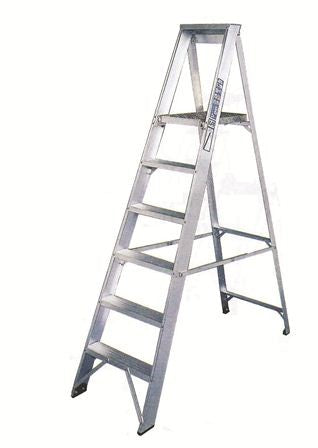
Access Ladder — 7 Tread (Equipment)
An access ladder is a practical, everyday piece of site equipment designed to provide stable, repeatable access to elevated areas where a simple step-up is not enough. This 7‑tread access ladder is intended for general access tasks in warehouses, workshops, back-of-house areas, and light industrial environments where staff need a dependable way to reach shelving, racking, mezzanine edges, service points, or vehicle beds (where appropriate). It’s a straightforward solution: a compact ladder with multiple treads that helps reduce overreaching and improves confidence when working at height compared with improvised alternatives.
Because this product page may represent multiple configurations, the information below focuses on the general benefits and considerations of a 7‑tread access ladder rather than quoting a single fixed dimension. Always select the most suitable configuration for your environment and follow your local working-at-height procedures.
Key Features
7-tread access height
A 7‑tread design provides a useful working reach for common stock-picking, maintenance, and access tasks, helping users work more comfortably without stretching or balancing on unsuitable objects.
Designed for routine site use
Access ladders are commonly chosen for frequent, short-duration tasks where quick, safe access is needed—ideal for busy operational areas.
Improves stability vs. makeshift solutions
Using a purpose-built ladder helps reduce the temptation to climb on pallets, chairs, or racking—supporting safer working practices.
Simple, familiar operation
A conventional tread ladder format is easy for trained staff to understand and integrate into existing site procedures.
Suitable for many environments
Commonly used across warehousing, facilities management, retail stockrooms, and light industrial settings where access is required throughout the day.
- Access Ladder – 7 Tread for general equipment and site access tasks
- Supports safer access to elevated storage and service points
- Practical choice for warehouses, workshops, and back-of-house areas
- Helps reduce overreaching by providing additional steps/treads
- Simple, familiar ladder format for trained users
Typical Uses
- Picking and replenishment in warehouse racking and shelving areas
- Facilities and maintenance access (lighting, signage, routine checks)
- Retail stockroom access for cartons, consumables, and seasonal stock
- Workshop access to parts bins, tooling storage, and service points
- General site access where a stable ladder is required for short tasks
Access Ladder — Full Product Guide
This guide explains what to consider when selecting and using a 7‑tread access ladder in a working environment. It is written to help you choose the right option for your site and to support safe day-to-day use.
How It Works
An access ladder provides a series of treads that allow a user to climb to a higher standing position for a task such as picking stock, inspecting equipment, or reaching a service point. The key advantage is repeatability: the ladder provides consistent steps and a predictable stance, helping users maintain balance and reduce awkward reaching.
In many workplaces, access tasks are frequent and time-sensitive. A dedicated access ladder helps standardise how staff reach elevated areas, which can support training and reduce the likelihood of unsafe improvisation.
Materials and Construction
The exact materials and construction details depend on the specific configuration supplied. In general, access ladders are built to withstand routine commercial use and are designed around stability, tread security, and durability. When comparing options, consider:
- Tread design: look for secure footing and a tread surface appropriate for your environment.
- Frame rigidity: a stable frame helps reduce flex and movement during climbing.
- Finish and protection: coatings and finishes can help with longevity in busy areas.
If you require a ladder for a specific environment (for example, areas with moisture, dust, or frequent cleaning), ensure the chosen configuration is suitable for those conditions.
Floor Type Compatibility
Access ladders are typically used on firm, level floors. For best performance and safety:
- Use on stable, even surfaces wherever possible.
- Keep the floor area clear of loose packaging, shrink wrap, straps, or debris that could affect footing.
- If your site has smooth or polished floors, confirm the ladder’s feet and contact points are appropriate for slip resistance.
If the ladder will be moved between different floor types, consider how that affects stability and whether additional controls are needed.
Health and Safety
Working at height—even for short tasks—requires care. A 7‑tread access ladder should be used in line with your site risk assessment and training. Good practice typically includes:
- Inspecting the ladder before use for damage, looseness, or contamination on treads.
- Maintaining three points of contact while climbing where applicable.
- Avoiding overreaching—move the ladder instead of leaning out.
- Keeping the surrounding area clear to prevent collisions in busy aisles.
- Ensuring only trained/authorised staff use access equipment.
If you need a ladder for specialist tasks (electrical work, food areas, clean rooms, or heavy-duty industrial use), confirm the correct specification and compliance requirements for your application.
Ideal Applications and Use Cases
A 7‑tread access ladder is often selected when a small step stool is insufficient but a larger access system would be unnecessary or impractical. Typical scenarios include:
- Warehouse operations: reaching mid-to-high racking levels for picking and replenishment.
- Stockrooms: accessing bulk cartons or seasonal inventory stored above head height.
- Facilities teams: routine checks, minor adjustments, and visual inspections.
- Workshops: retrieving parts, tools, and consumables stored on higher shelving.
If your tasks involve extended time at height, frequent lateral movement, or handling bulky items, you may need a different access solution. Consider your workflow and consult your safety lead if unsure.
Maintenance, Cleaning and Care
Regular care helps keep access equipment safe and extends service life. Suggested routine:
- Daily/weekly checks: confirm treads are clean and free from oil, dust, or packaging residue.
- Visual inspection: look for cracks, bends, loose components, or unusual movement.
- Cleaning: wipe down with appropriate cleaning materials for your environment; avoid leaving slippery residues on treads.
- Storage: store in a designated area to reduce accidental damage from vehicles or pallets.
Remove the ladder from service if it appears damaged or unsafe, and follow your site’s inspection and replacement procedures.
Case Study (Typical Scenario)
Scenario: A busy warehouse has frequent pick activity from shelving above head height. Staff previously used a mix of small step stools and improvised climbing on lower racking beams to reach items quickly.
Solution: Introducing a dedicated 7‑tread access ladder provides a consistent access method for common pick locations. Staff can reposition the ladder as needed rather than stretching or climbing on unsuitable structures.
Outcome: A more standardised approach to access tasks, improved user confidence, and reduced reliance on unsafe alternatives—supporting safer day-to-day operations.
Who Is It For?
- Warehouses and distribution centres needing reliable access for picking and replenishment
- Facilities and maintenance teams performing routine checks and minor tasks
- Retail stockrooms and back-of-house operations
- Workshops and light industrial sites with elevated storage
Colours / Features Available
This product page may include multiple variants. Where options are available, choose the configuration that best suits your environment and internal standards. If you require a specific feature set (for example, particular tread type or finish), confirm the selected variant details before ordering.
Sizes Available
This listing is for an Access Ladder – 7 Tread. If the product is offered in multiple configurations within the same page, select the appropriate option from the variant choices. For sites that require alternative access heights, consider whether other tread counts or access solutions are available within your equipment range.
Note: Always follow your organisation’s working-at-height policy and ensure the ladder is suitable for the intended task and environment.