

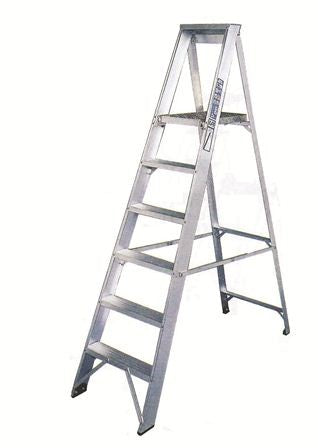
Equiptment
Access Ladder — 10 Tread
An access ladder is a practical, space-efficient way to reach mezzanines, platforms, loft storage areas and other elevated work or storage points where a full staircase isn’t required. This 10-tread access ladder is designed to provide a stable, repeatable route up and down, helping you organise vertical space in warehouses, workshops, retail stockrooms and light industrial environments.
Because this product page may represent multiple configurations, finishes or supply options, the guidance below focuses on how access ladders are typically specified, installed and used, rather than stating a single fixed dimension for every variant.
Key Features
Purpose-built access solution:
Designed specifically for regular access to raised areas such as mezzanine floors and platforms, offering a more consistent climbing experience than improvised ladders.
10-tread format:
A 10-tread ladder is commonly selected where the vertical rise suits a compact access route while still providing comfortable spacing between steps for frequent use.
Timber ladder construction (typical for this style):
Comparable 10-tread mezzanine access ladders are commonly supplied with timber components (for example, beech steps with pine stiles), offering a warm, non-cold-to-touch feel and a clean appearance for mixed-use spaces.
High load rating (typical for this category):
Similar 10-tread mezzanine access ladders are commonly specified with a 150 kg safe working load, supporting day-to-day access tasks when used correctly.
Finish options (often available):
Comparable products are offered in natural timber as well as painted finishes such as black or white, helping match the ladder to the surrounding interior or safety zoning.
- Consistent access for mezzanines, platforms and loft storage
- Space-saving footprint compared with many stair solutions
- Suitable for frequent use when installed and used correctly
- Clean, professional appearance for customer-facing or mixed environments
- Multiple configuration options may be available on this listing
Typical Uses
- Mezzanine floor access in warehouses and distribution areas
- Stockroom and back-of-house access in retail environments
- Workshop storage lofts and raised platforms
- Plant rooms or service areas where occasional access is required
- Archive and document storage areas with elevated shelving
Access Ladder — 10 Tread — Full Product Guide
Choosing the right access ladder is about more than tread count. You’ll want to consider the height you need to reach, the angle of installation, the available floor space, the environment (clean/dry vs. dusty/industrial), and how frequently people will use the ladder. The sections below outline the key considerations to help you specify an access ladder confidently.
How It Works
An access ladder provides a fixed climbing route between floor levels. Once positioned and secured, it creates a predictable path for users to ascend and descend. In mezzanine applications, the ladder is typically installed at an angle that balances comfort with space efficiency. The tread count helps indicate the ladder’s overall reach, but the final suitability depends on the installation angle and the floor-to-floor height.
For safe use, users should maintain three points of contact where possible and keep hands free by using appropriate carrying methods (for example, tool belts or hoists for heavier items). If your application involves carrying bulky loads, consider whether a stair solution or mechanical lift is more appropriate.
Materials and Construction
Many mezzanine access ladders in this category are timber-based. A common construction approach for comparable 10-tread mezzanine ladders is beech steps paired with pine stiles. Timber can be a good choice for indoor environments because it is comfortable to touch, visually tidy, and can be finished to suit the space.
When assessing construction, look for:
- Secure tread-to-stile joints to reduce movement and squeaks over time
- Even tread spacing for predictable footing
- Quality surface finish to reduce splinters and improve durability
- Compatibility with handrails or additional safety accessories where required
Floor Type Compatibility
Access ladders are typically installed onto solid, stable substrates. The correct fixings depend on your floor type (for example, concrete, timber, steel mezzanine decking, or resin-coated industrial floors). If you’re installing onto a mezzanine structure, ensure the ladder’s top fixing points align with a suitable load-bearing member.
Before installation, confirm:
- The floor and landing area are level and structurally sound
- There is adequate clearance at the top and bottom for safe stepping on/off
- The ladder does not obstruct walkways, doors, or emergency routes
- Any nearby racking or shelving does not create pinch points or restricted access
Health and Safety
Safe ladder use depends on correct selection, installation, and user behaviour. Comparable 10-tread mezzanine access ladders are commonly rated to a 150 kg safe working load; always ensure the ladder you select meets your site requirements and that users understand the load limits.
Good practice considerations include:
- Training and signage for regular users
- Routine inspections for loosened fixings, wear, or damage
- Slip resistance appropriate to the environment (especially if footwear may be wet or dusty)
- Lighting at both access points to reduce missteps
- Handhold solutions where required by your risk assessment
If your application is public-facing or involves higher-risk tasks, consult your site safety lead to confirm whether additional guarding, gates, or handrails are required.
Ideal Applications and Use Cases
This style of access ladder is commonly chosen when you need reliable access but want to preserve floor space. Typical scenarios include:
- Warehouse mezzanines: quick access to pick faces or overflow storage
- Workshops: reaching parts bins or seasonal stock stored above
- Retail stockrooms: accessing upper-level storage without sacrificing selling space
- Light industrial: reaching inspection platforms or service points
If the ladder will be used many times per hour, consider whether a stair system would reduce fatigue and improve throughput.
Maintenance, Cleaning and Care
Keeping an access ladder in good condition helps maintain safety and extends service life. For timber ladders, routine care typically includes keeping the ladder dry, removing dust build-up, and checking for surface wear.
- Weekly/Monthly: wipe down treads, remove debris, check for movement
- Quarterly: inspect fixings and joints; tighten where necessary
- Annually: review overall condition and suitability for the task; refresh finish if required
Avoid aggressive chemicals that could damage finishes. If the ladder is in a dusty environment, more frequent cleaning may be needed to maintain grip.
Case Study (Example Specification Process)
A small warehouse adds a mezzanine to increase storage capacity. The team needs a compact access route that doesn’t block the main aisle. They shortlist a 10-tread access ladder style because it suits the available height range and keeps the footprint small. They then confirm the landing clearance, choose a finish that matches the mezzanine structure, and schedule installation during a low-traffic period. After installation, they add basic user guidance and include the ladder in routine safety inspections.
This approach—confirming height, clearance, fixing points, and usage frequency—helps ensure the ladder is fit for purpose.
Who is it for?
- Facilities and operations teams needing reliable mezzanine access
- Warehouse managers looking to maximise floor space
- Workshops and trade counters needing quick access to overhead storage
- Businesses wanting a tidy, professional access solution for back-of-house areas
Colours / Features Available
Comparable 10-tread wooden mezzanine access ladders are offered in finishes such as natural, black, or white. Availability can vary by configuration. If you’re matching an existing mezzanine or interior scheme, choose a finish that supports visibility and site safety requirements.
Sizes Available
This listing may include multiple variants. Comparable 10-tread mezzanine access ladders are commonly listed with a ladder length around 2.57 m and a width around 410 mm, with a maximum floor-to-floor height around 2570 mm. Always confirm the exact dimensions and suitability for your installation before ordering.
If you need a different height range, tread count, or a bespoke access solution, consider whether an alternative ladder configuration or a stair system would better meet your requirements.