

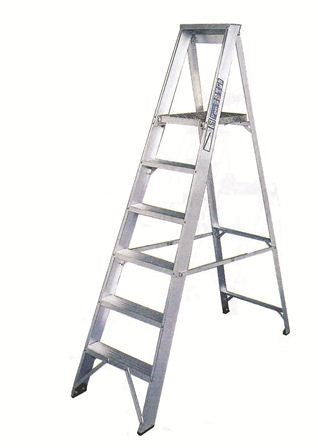
Equiptment
Access Ladder — 12 Tread
An access ladder is a practical way to reach mezzanines, platforms, storage decks and other elevated areas where a full staircase isn’t required. This 12‑tread access ladder is designed as a straightforward, space‑efficient climbing solution for industrial and commercial environments, helping teams move between levels with confidence while keeping floor space clear for racking, equipment and workflow.
Because access ladders are often specified as part of a wider fit‑out (mezzanine floors, plant platforms, maintenance areas, etc.), this product page focuses on what buyers typically need to know: how this style of ladder is used, what to check before ordering, and how to look after it once installed.
Key Features
12‑tread configuration
A 12‑tread layout is commonly selected where a fixed access route is needed to a consistent platform height. It provides a repeatable, dedicated access point compared with portable ladders.
Space‑saving access solution
Access ladders are chosen when you need safe, regular access but want to minimise the footprint compared with conventional stairs—ideal for tight aisles and compact mezzanine layouts.
Industrial access use
This ladder type is typically used for mezzanines, platforms and maintenance access points where controlled, fixed access is preferred over moving equipment around the site.
Simple integration into fit‑outs
Often specified alongside mezzanine floors and platform systems, access ladders can be positioned to suit traffic flow, storage locations and operational needs.
Key Features (Bullet Summary)
- 12‑tread access ladder format for fixed, repeatable access
- Designed for mezzanine, platform and elevated area access
- Space‑efficient alternative to full staircases in many layouts
- Suitable for industrial/commercial environments where dedicated access is required
Typical Uses
- Mezzanine floor access in warehouses and storage areas
- Access to plant platforms and service areas
- Stock‑picking support routes where a fixed access point is needed
- Maintenance access to elevated equipment (where appropriate)
Access Ladder — 12 Tread — Full Product Guide
Choosing the right access ladder is about more than the number of treads. The best option is the one that fits your platform height, available floor space, traffic patterns and safety requirements. Use the guide below to plan your installation and ensure the ladder is suitable for your application.
How It Works
A fixed access ladder provides a dedicated route between floor level and an elevated landing. Unlike portable ladders, it stays in place, so users approach it from the same direction each time and can build consistent safe habits around its use. In many facilities, this improves day‑to‑day efficiency because access is always available without needing to locate and move equipment.
Materials and Construction
Access ladders are generally built for robust, repeated use in working environments. When comparing options, look for clear information on the ladder’s construction, tread design and how it is intended to be fixed at the top and bottom. If you are matching an existing mezzanine or platform system, confirm compatibility with the fixing points and the landing arrangement.
If you are sourcing a wooden mezzanine access ladder instead of a metal ladder, note that some suppliers describe wooden mezzanine access ladders with 12 treads and publish details such as ladder length, width and safe working load. For example, one 12‑tread wooden mezzanine access ladder listing states a safe working load of 150 kg and indicates multiple finish options (natural/black/white). Use third‑party listings like this as a reference point when comparing specifications across ladder types and finishes.
Floor Type Compatibility
Before ordering, confirm the floor surface and fixing method at both ends:
- Base fixing: check whether the ladder will be anchored to concrete, resin floors, timber decking or steel plates, and ensure suitable fixings are used.
- Top fixing/landing: confirm the ladder’s interface with the mezzanine edge, platform frame or landing plate.
- Clearances: allow enough space at the base for safe approach and at the top for stepping on/off without obstruction.
Health and Safety
Always assess your site requirements and applicable regulations before installation and use. Consider:
- Frequency of use: if access is frequent or involves carrying items, a stair solution may be more appropriate than a ladder.
- User profile: consider who will use the ladder (trained staff, maintenance teams, contractors) and whether additional controls are needed.
- Safe access/egress: ensure the top landing is protected and that users can transition safely between ladder and platform.
- Inspection routine: implement regular checks for loosened fixings, wear, damage or contamination on treads.
If you are working to specific standards (e.g., workplace safety rules, building regulations, or internal EHS policies), confirm that the ladder type and installation method meet those requirements.
Ideal Applications and Use Cases
This 12‑tread access ladder format is commonly considered for:
- Warehouse mezzanines where space is at a premium
- Back‑of‑house storage decks in retail or distribution settings
- Plant rooms and service platforms where access is controlled
- Facilities that want a fixed access point rather than relying on portable ladders
Maintenance, Cleaning and Care
Good housekeeping improves safety and extends service life:
- Keep treads clean and dry: remove dust, packaging debris and spillages promptly.
- Check fixings: periodically verify that anchors and top connections remain tight and secure.
- Inspect for damage: look for bent components, cracked treads, or movement at joints.
- Control contamination: if the ladder is near processes that generate oil, grease or fine dust, increase cleaning frequency.
Case Study (Typical Scenario)
A warehouse adds a small mezzanine for light storage above a packing area. Floor space below is needed for benches and carton flow, so a full staircase would reduce usable area. A fixed access ladder provides a dedicated route to the mezzanine, keeping the footprint compact and ensuring staff always know where the access point is located. With clear signage, routine inspections and good housekeeping, the ladder becomes a reliable part of daily operations.
Who is it for?
- Warehouse and facilities managers planning mezzanine access
- Operations teams needing a fixed route to elevated storage
- Maintenance teams requiring controlled access to platforms
- Fit‑out contractors integrating access into a wider platform/mezzanine project
Colours / Features Available
Access ladders may be offered in different finishes depending on the supplier and material type. For example, a third‑party listing for a 12‑tread wooden mezzanine access ladder indicates finish options such as natural, black or white. If colour/finish is important for your site (visibility, branding, corrosion resistance, or matching existing equipment), confirm the available options for this specific product variant before ordering.
Sizes Available
This product is listed as a 12‑tread access ladder. For projects where platform heights vary or where bespoke fit is required, confirm whether alternative tread counts, ladder lengths, widths or made‑to‑measure options are available for your installation. If you are replacing an existing ladder, measure the current installation and compare against the required floor‑to‑landing height and available clearances.
Need help specifying the right ladder?
Share your platform height, available floor space, and how frequently the access route will be used, and we can help you confirm the most suitable access solution for your application.