

Equiptment
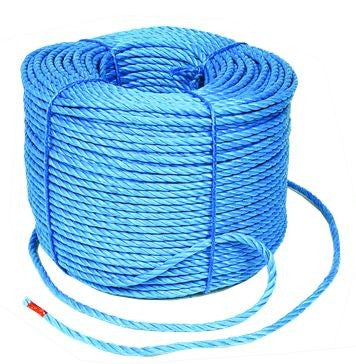
8mm Blue Polypropylene Rope (PP) — Lightweight, Water-Resistant Utility Rope
Polypropylene rope is a popular choice when you need a practical, cost-effective rope for everyday tying, securing and general-purpose use. This 8mm blue polypropylene rope is designed for versatile handling and dependable performance in typical light-to-medium duty applications where a lightweight rope that copes well with damp conditions is preferred.
Polypropylene (often shortened to “PP”) is a synthetic fibre known for being light in weight and for resisting moisture. In many common environments it also resists mildew, making it a sensible option for outdoor storage and use. Polypropylene rope is widely used for general lashing, bundling, temporary barriers, and a range of marine and leisure tasks where a rope that does not readily absorb water is beneficial.
Key Features
- Polypropylene construction: A synthetic rope material valued for everyday utility use and good moisture resistance.
- Lightweight handling: Easier to carry, throw, and manage compared with many heavier rope types.
- Water-friendly performance: Polypropylene is commonly chosen for wet environments because it resists moisture and mildew.
- General-purpose versatility: Suitable for tying down, securing loads, bundling, and a wide range of site, leisure, and marine tasks.
- High-visibility blue colour: Helps with quick identification and reduces the chance of the rope being overlooked on site or on deck.
Typical Uses
- General tying and securing
- Boating and marine utility tasks
- Camping and outdoor use
- Tarps, covers and temporary lashings
- Light-duty hauling and bundling
8mm Blue Polypropylene Rope — Full Product Guide
Choosing the right rope is about matching the material and diameter to the job. Polypropylene rope is often selected when you want a practical rope that is easy to handle, performs well in damp conditions, and offers good value for general-purpose tasks. Below is a detailed guide to help you decide if this rope is the right fit for your application.
How It Works
Rope works by distributing load through its fibres. With polypropylene rope, the synthetic fibres provide a balance of flexibility and strength for everyday use. The 8mm diameter offers a comfortable hand-feel for many tying tasks while remaining compact enough for storage on reels, in toolboxes, or on board.
For best results, use appropriate knots for the task (for example, a bowline for forming a fixed loop, or a clove hitch for quick securing). As with any rope, correct knot choice and good tying practice can significantly affect performance.
Materials and Construction
Material: Polypropylene (PP). Polypropylene is widely used for utility ropes because it is lightweight and resists moisture. It is commonly used in outdoor and marine-adjacent environments where water exposure is likely.
Colour: Blue. A bright, consistent colour can be helpful for identification, organisation, and visibility.
Diameter: 8mm. Diameter influences handling comfort, knotting, and suitability for different loads and hardware. If you are using cleats, fairleads, hooks, or pulleys, ensure the rope diameter is compatible with your equipment.
Environment and Weather Resistance
Polypropylene rope is often chosen for outdoor use because it resists moisture and mildew. This makes it a practical option for tasks where the rope may be exposed to rain, spray, or damp storage conditions. It is also lightweight, which can be useful when you need to carry rope over distance or keep overall kit weight down.
As with most ropes, prolonged exposure to harsh conditions can affect service life. Inspect the rope regularly and replace it if you see significant wear, fraying, or damage.
Floor / Surface Compatibility (Where It’s Used)
While rope is not a floor covering, it is often used across a variety of surfaces in warehouses, yards, workshops, and outdoor areas. When dragging rope across rough ground, edges, or abrasive surfaces, wear can increase. If your application involves frequent abrasion, consider using protective sleeves, edge guards, or routing the rope to reduce rubbing points.
Health and Safety
Always select rope appropriately for the task. Rope performance depends on many factors including knots, wear, shock loading, and how the rope is anchored. If you are using rope for lifting, overhead loads, or any safety-critical application, ensure you use equipment that is rated and compliant for that purpose and follow relevant regulations and site procedures.
- Inspect before use: check for cuts, fraying, flattened sections, glazing, or chemical damage.
- Avoid shock loads: sudden jerks can greatly increase forces on the rope.
- Use suitable knots and hardware: incorrect tying or incompatible fittings can reduce performance.
- Keep hands safe: wear gloves where appropriate and avoid running rope quickly through hands.
Ideal Applications and Use Cases
This rope is well suited to general-purpose tasks where a lightweight, water-resistant rope is helpful:
- Securing and bundling: tying items together for storage, transport, or organisation.
- Outdoor utility: temporary guy lines, campsite tasks, and general outdoor tying.
- Marine utility: non-critical boat tasks where a rope that performs well around water is preferred.
- Tarps and covers: securing covers over equipment, materials, or loads.
- Site and workshop use: quick lashings, temporary barriers, and general handling.
Maintenance, Cleaning and Care
Good care extends rope life and improves reliability:
- Cleaning: if the rope becomes dirty, rinse with clean water and allow to dry naturally.
- Storage: store in a cool, dry place away from direct sunlight where possible.
- Avoid chemicals: keep away from solvents, fuels, and harsh chemicals unless you know the rope is compatible.
- Prevent abrasion: avoid dragging over sharp edges; use protection where the rope contacts corners.
- Regular inspection: retire rope that shows significant wear, damage, or stiffness.
Case Study (Typical Scenario)
Outdoor equipment cover tie-down: A maintenance team needs a quick, practical rope to secure tarpaulins over stored equipment in a yard. A polypropylene rope is chosen because it is lightweight to handle, resists moisture, and is suitable for general tie-down tasks. The team cuts appropriate lengths, ties secure knots, and checks contact points to reduce abrasion on edges.
Who Is It For?
- Facilities and maintenance teams needing a general-purpose rope for everyday tasks
- Outdoor users who want a lightweight rope that copes well with damp conditions
- Marine and leisure users looking for a practical utility rope for non-critical applications
- Warehouses and workshops needing rope for bundling, securing, and temporary lashings
Colours / Features Available
This listing is for blue polypropylene rope. Product pages may represent multiple options; if you require a specific colour or finish for identification or site standards, check the available variants.
Sizes Available
This product is an 8mm polypropylene rope. Many rope ranges are offered in different pack sizes and lengths; select the variant that best matches your usage pattern (for example, occasional use vs. frequent use where larger lengths may be more economical).
Note: Product suitability depends on your application. If you need guidance on selecting rope type (polypropylene vs. nylon vs. polyester), or choosing a diameter for your hardware and loads, contact us with details of your use case.