
Equiptment
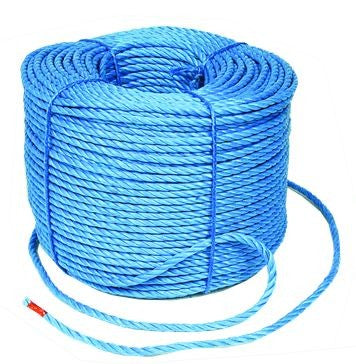
12mm Blue Polypropylene Rope — Lightweight, Floating Utility Rope
Blue polypropylene rope is a popular choice when you need a practical, easy-to-handle line for everyday securing, bundling and general site or marine tasks. Polypropylene is known for being lightweight and for floating on water, making it especially useful around docks, marinas, watersports and wet environments. This Sapphire listing represents a configurable product, so it may be supplied in different lengths/pack options depending on the variant selected.
Key Features
Polypropylene construction (lightweight & water resistant):
Polypropylene fibres do not absorb water in the same way as many natural fibres, helping the rope stay lighter in wet conditions and making it suitable for damp or outdoor use.
Floating rope for waterside use:
Polypropylene rope generally floats, which can be helpful for temporary lines, marker lines and general waterside handling where you want the rope to remain visible and retrievable. Reference examples: Rope Services UK (floating polypropylene rope) and other retail listings for 12mm blue polypropylene rope.
High visibility blue colour:
The blue finish improves visibility on site, in storage, and around water—useful for quick identification and reducing trip hazards compared with darker lines.
General-purpose handling:
A 12mm diameter rope offers a comfortable grip for many everyday tasks such as tying off, pulling, bundling and creating temporary barriers.
Available in multiple supply options:
This product page may include different variants (for example, different lengths or pack quantities). Select the option that best matches your job requirements.
Key Feature Summary (Bullet Points)
- Material: Polypropylene rope
- Colour: Blue
- Diameter: 12mm
- Lightweight: Easy to carry, coil and deploy
- Water-friendly: Suitable for wet/outdoor environments
- Floating: Polypropylene rope generally floats (useful for marine/waterside tasks)
- General-purpose: Ideal for securing, bundling and temporary lines
Typical Uses
- General site and warehouse tie-downs (non-lifting)
- Temporary barriers, cordons and demarcation lines
- Marine and waterside utility lines where a floating rope is beneficial
- Camping, leisure and outdoor tasks
- Bundling materials and creating temporary guy lines (application dependent)
12mm Blue Polypropylene Rope — Full Product Guide
Choosing the right rope is about matching the material and diameter to the environment and the job. Polypropylene is widely used as a cost-effective, practical rope fibre for general-purpose applications. Below is a detailed guide to help you decide whether this 12mm blue polypropylene rope is the right fit for your needs.
How It Works
Rope performance comes from the fibre type and the rope’s construction. Polypropylene fibres are lightweight and water resistant, which is why polypropylene ropes are commonly used outdoors and around water. In day-to-day use, polypropylene rope is typically selected for utility tasks—securing, tying off, bundling and temporary lines—rather than for specialist lifting or critical safety applications.
Because this Sapphire product may be offered in multiple variants, always check the selected option for any specific supply details (such as length or pack quantity) before ordering.
Materials and Construction
Fibre: Polypropylene.
Polypropylene is a synthetic polymer fibre used in many general-purpose ropes. It is valued for being lightweight and for performing well in wet conditions compared with absorbent natural fibres.
Construction types you may see on the market:
Retailers commonly sell polypropylene rope in both twisted (often 3-strand) and braided forms. Product pages for similar 12mm blue polypropylene ropes show both styles depending on brand and intended use. If construction is important for your application (for example, you prefer braided for smoother handling or twisted for easy splicing), confirm the construction details for the variant you are purchasing.
Floor Type / Surface Compatibility (Where It’s Used)
While rope is not a floor product, it often interacts with surfaces during use. Polypropylene rope is commonly used across:
- Concrete and masonry: general site tying and temporary barriers
- Timber and pallets: bundling and securing loads (application dependent)
- Metal rails and posts: cordons and demarcation lines
- Marine environments: docks, pontoons and waterside handling where floating rope is useful
As with any rope, abrasion against rough edges can reduce service life. Where the rope will run over sharp corners or abrasive surfaces, consider using edge protection or sleeves.
Health and Safety
Not for lifting unless specifically rated:
General-purpose ropes are often used for tying and securing, but lifting operations require appropriately rated lifting slings/ropes and compliance with relevant safety standards. If you need a rope for lifting, rescue, fall protection or other safety-critical tasks, use equipment specifically designed and certified for that purpose.
Inspect before use:
Check for cuts, fraying, melted fibres, flattened sections or significant abrasion. Replace rope that shows signs of damage.
Safe working practices:
Avoid shock loading, keep hands clear of pinch points, and ensure knots and anchor points are suitable for the load and environment.
Ideal Applications and Use Cases
This 12mm blue polypropylene rope is typically chosen for:
- Marine utility: temporary lines and general waterside tasks where a floating rope is advantageous
- Site and facilities: cordoning off areas, creating temporary boundaries, and general tying tasks
- Outdoor leisure: camping, boating support tasks, and general-purpose outdoor use
- Storage and logistics: bundling and securing items for short-term handling (application dependent)
Maintenance, Cleaning and Care
- Rinse after marine use: If used around salt water, rinsing and drying can help reduce residue build-up.
- Dry and store correctly: Coil neatly and store away from direct heat sources.
- Avoid unnecessary abrasion: Use fairleads or protective sleeves where the rope contacts rough edges.
- Keep away from chemicals: If exposed to chemicals, assess suitability and replace if fibres appear degraded.
Case Study (Typical Scenario)
Waterside facilities team:
A small marina needs a visible, easy-to-handle rope for temporary tasks—marking off a maintenance area on the pontoon, securing lightweight equipment, and setting up short-term utility lines. A blue polypropylene rope is selected because polypropylene rope generally floats and is lightweight, making it easier to retrieve and handle around water. The team inspects the rope regularly and uses edge protection where it passes over rough surfaces.
Who Is It For?
- Facilities and maintenance teams needing a practical general-purpose rope
- Marine users who benefit from a floating rope for utility tasks
- Warehouses and workshops needing a visible rope for temporary barriers and tying
- Outdoor users wanting a lightweight rope for general tasks
Colours / Features Available
This listing is for blue polypropylene rope. If you require alternative colours for coding or visibility, check Sapphire’s rope range for other options.
Sizes Available
This product is a 12mm polypropylene rope. Supply options may vary by variant (for example, different lengths or pack quantities). Please select the variant that matches your required length and ordering preference.
Referenced comparable product pages used for general guidance (no product-specific claims copied):
Camden Tools (Timco Polypropylene Rope 12mm x 220m Blue), Rope Services UK (12mm navy blue braided polypropylene floating rope), Materials Market (12mm blue polypropylene rope listing), Frazer Solutions (12mm blue polypropylene rope listing).